Urals crude tops $110 in Russian ports
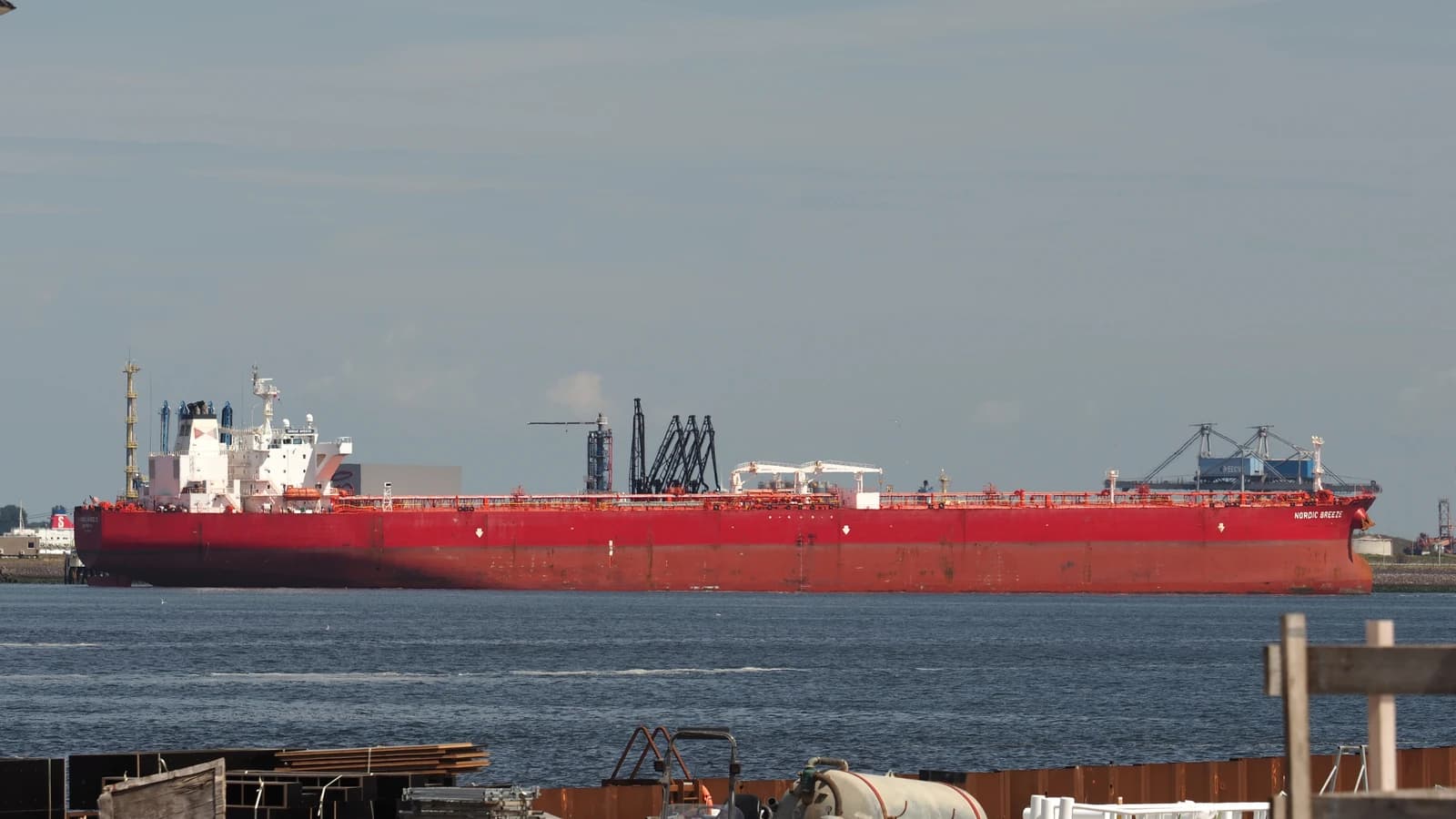
Urals crude has climbed above $110 a barrel in Russian ports, a sharp reminder that Moscow is still able to sell its flagship export at high prices despite sanctions pressure, while a firmer Brent benchmark is helping keep the market elevated.
The move matters because Russian crude is one of the most important supply variables in the global oil trade. When Urals strengthens, Russia’s export revenues improve, the discount to Brent narrows and buyers from Turkey, India and other importers face a higher bill. That can ripple through freight, refining margins and inflation expectations just as the broader oil market is already tight.
Brent futures settled near $105.61 a barrel on Sept. 16, while U.S. WTI was at $102.01, leaving both benchmarks well above levels that would normally cool demand. The latest readings also sit comfortably above the 50-day and 200-day moving averages, with Brent’s RSI still elevated at 78.6 and WTI’s at 80.4, a sign that crude remains technically extended even after a volatile summer. Urals, meanwhile, has been moving in step with the stronger benchmark, reaching more than $110 in Russian ports on firm demand.
That is significant for investors because high crude prices feed directly into energy equities, tanker rates and inflation-sensitive assets. Producers such as Exxon Mobil, Chevron and ConocoPhillips tend to benefit from sustained prices in this range, while refiners and fuel-intensive industries face margin pressure if feedstock costs stay high. The rally also supports oil-linked funds such as USO, where Adalytica’s trade snapshot shows intense fear even as awareness remains high — a setup that often leaves investors underpositioned for further upside.
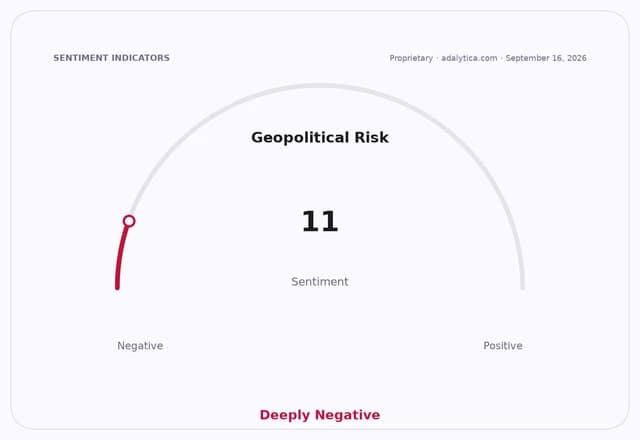
The macro backdrop is reinforcing the move. U.S. 10-year Treasury yields are hovering around 5%, a level that keeps financial conditions tight and makes commodity-driven inflation harder for central banks to dismiss. At the same time, Adalytica’s global stability gauge sits in “Extreme Fear,” a combination that usually goes hand in hand with geopolitical risk premia in energy.
For investors, the key is that this is no longer just a headline about one Russian grade. It is a signal that the oil market is pricing in persistent tightness, resilient demand and limited spare capacity. If Brent stays firm, Urals can remain expensive even without a dramatic supply shock, and that keeps the entire energy complex supported.
The best way to play it is to stay with the cash-generating producers, select refiners with pricing power and consider tactical exposure to broad oil ETFs on pullbacks. The market may still be underestimating how long this price floor can last.
| Entity | Gains | Losses |
|---|---|---|
| Russian exporters | ▲Higher realized prices | ▼Bigger scrutiny from sanctions |
| Brent-linked producers | ▲Stronger revenue tailwind | ▼None material |
| Importers in Turkey/Asia | ▲None material | ▼Higher crude import costs |
| Refiners/consumers | ▲None material | ▼Feedstock and inflation pressure |