Urban Edge Properties lifts 2026 FFO guide to $1.54
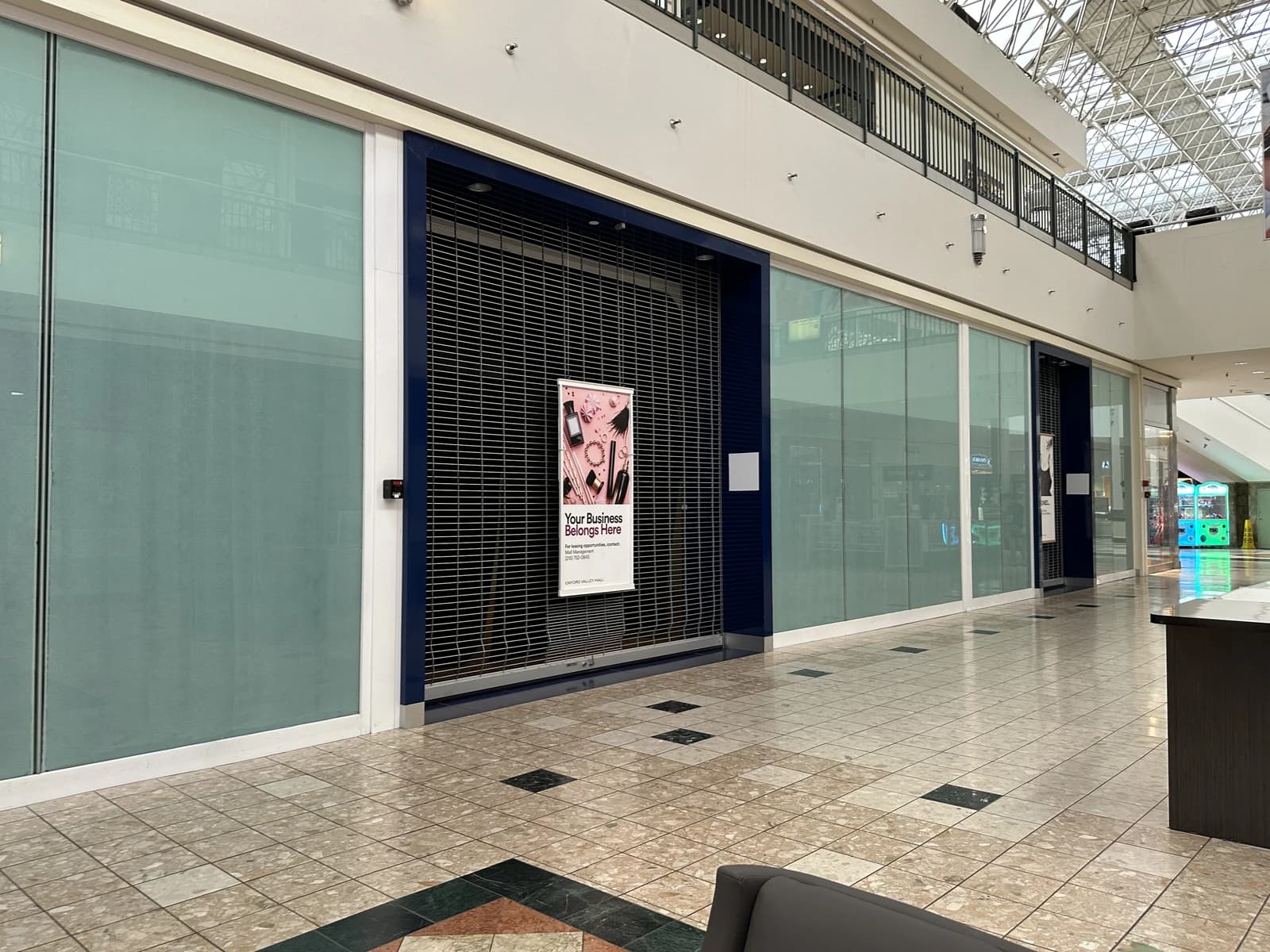
Urban Edge Properties lifted its full-year funds from operations forecast to $1.50 to $1.54 per share, signaling that the shopping-center landlord is still seeing enough rental strength to offset softer occupancy and a volatile operating backdrop.
For investors, the update matters because FFO is the key cash-earnings measure for REITs and the new range suggests the company is extracting more value from its existing tenant base even as store-level occupancy slips. That is the central tension in retail real estate now: landlords are losing some space in the short run, but in better locations they can often re-lease at materially higher rents when demand returns. Urban Edge’s own framing points to as much as 20% rent upside, which can support net operating income and dividend coverage even if the headline occupancy rate weakens.
The stock has already reflected the tug-of-war between those forces. Urban Edge shares closed at $21.79 on Aug. 10, down from a recent peak of $22.96 in early July, but still well above the roughly $18.3 level seen late last year. The move has been accompanied by technical deterioration: the shares are trading below their 50-day moving average, while the relative strength index has fallen to 21.8, a level that typically indicates the stock is deeply oversold. The MACD is also negative, showing recent momentum has turned lower despite the company’s improved earnings guide.
Urban Edge, which owns retail properties concentrated in the New York and Washington corridors, has benefited from a still-supportive consumer environment and limited high-quality retail supply. But retail real estate is highly sensitive to tenant churn, and falling occupancy can temporarily obscure the economics of re-leasing. The bull case is that weaker occupancy is a short-term drag that creates future pricing power, especially if replacement tenants are willing to pay materially higher rents. The bear case is that the gap between signed rents and actual collected cash can widen if leasing demand softens or if closures take longer to backfill.
The broader backdrop is also mixed for the sector. Equity markets remain in an “extreme greed” state by Adalytica’s S&P 500 trade signals, a risk-on environment that can help rate-sensitive REITs, but it can also mask balance-sheet and property-level stress until occupancy data catches up. For Urban Edge, the key question is whether the company can convert rent spreads into durable same-property cash flow growth fast enough to keep leverage and payout metrics comfortable.
Investors will now watch whether the higher FFO guide proves conservative, and whether leasing spreads continue to outweigh the cost of vacancies. If they do, Urban Edge could turn a softer occupancy print into a stronger earnings cycle. If not, the stock’s recent strength could give way to a more prolonged reset.
| Entity | Gains | Losses |
|---|---|---|
| Urban Edge Properties | ▲Higher FFO guidance | ▼Lower occupancy rate |
| Landlords with prime retail space | ▲Rent increases | ▼Tenant churn |
| Existing tenants | ▲Renewals in place | ▼Higher lease costs |
| REIT shareholders | ▲Better cash flow outlook | ▼Near-term volatility |