U.S. 10-Year Treasury Yield Briefly Tops 5%

The U.S. bond market just crossed a line that matters far beyond Wall Street: the 10-year Treasury yield briefly moved above 5%, its highest level since 2007, raising the cost of money for households, companies and the federal government.
That is why investors are paying attention. A 5% Treasury yield does not mean the U.S. economy is headed for an immediate crisis, but it does mean financing is getting more expensive at a time when Washington is already carrying a debt load above $40 trillion, oil prices are elevated and the Federal Reserve is still being pushed to keep policy restrictive.

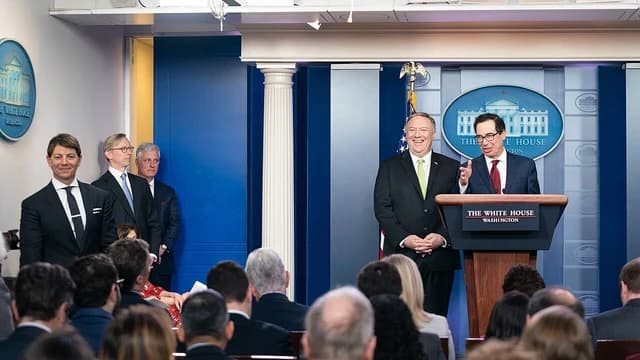
Treasury Secretary Scott Bessent tried to calm those fears, saying the move was driven by “global issues” as much as domestic ones. He also argued that the jump reflects the need to confront the fiscal deficit, a rare acknowledgment from the Treasury’s top official that higher yields and bigger deficits do not coexist comfortably for long. The 10-year yield hit 5.04% intraday, while the 30-year climbed to 5.40%, both 2007-era highs.
For investors, the implications are immediate. Higher long-dated yields ripple through mortgage rates, corporate borrowing and the valuation models used to price stocks. That is especially important for growth stocks, which depend more heavily on earnings far in the future, and for rate-sensitive sectors such as real estate and utilities. At the same time, bond investors are getting a more compelling income alternative, which can pull money away from equities when valuations look stretched.
The move also reinforces a more cautious market backdrop. Adalytica’s trade signals for U.S. Treasury bonds showed “fear,” while its S&P 500 reading sat at “extreme fear,” underscoring how quickly sentiment can shift when the yield on the safest U.S. benchmark starts acting more like a brake than a cushion. The dollar, meanwhile, has remained resilient, which usually tightens financial conditions further for global borrowers.
Bessent’s comments on the yen and China show how interconnected this moment is. He said U.S. participation in yen-market intervention was in America’s interest because a stronger yen supports U.S. exporters and may reduce the need for Japan to sell Treasurys to defend its currency. He is also due to meet Chinese Vice Premier He Lifeng this weekend, with Iranian sanctions and broader trade tensions on the agenda. In other words, this is not just a bond-market story — it is a global funding story.
The long-term takeaway for investors is simple: when the risk-free rate resets higher, every asset has to compete harder for capital. That does not automatically end the bull case for stocks, but it does mean investors should expect more volatility, a higher hurdle for richly valued companies and better opportunities in businesses with real pricing power, strong free cash flow and durable moats. For patient investors, that is a reason to stay diversified, not to panic.
| Entity | Gains | Losses |
|---|---|---|
| Treasury bond buyers | ▲Higher income | ▼Price volatility |
| Borrowers | ▲None | ▼Higher financing costs |
| Banks | ▲Wider lending spreads | ▼Credit demand risk |
| Equity investors | ▲Better buy points | ▼Lower valuations |