US Carrier Redeployment Lowers Asia Presence
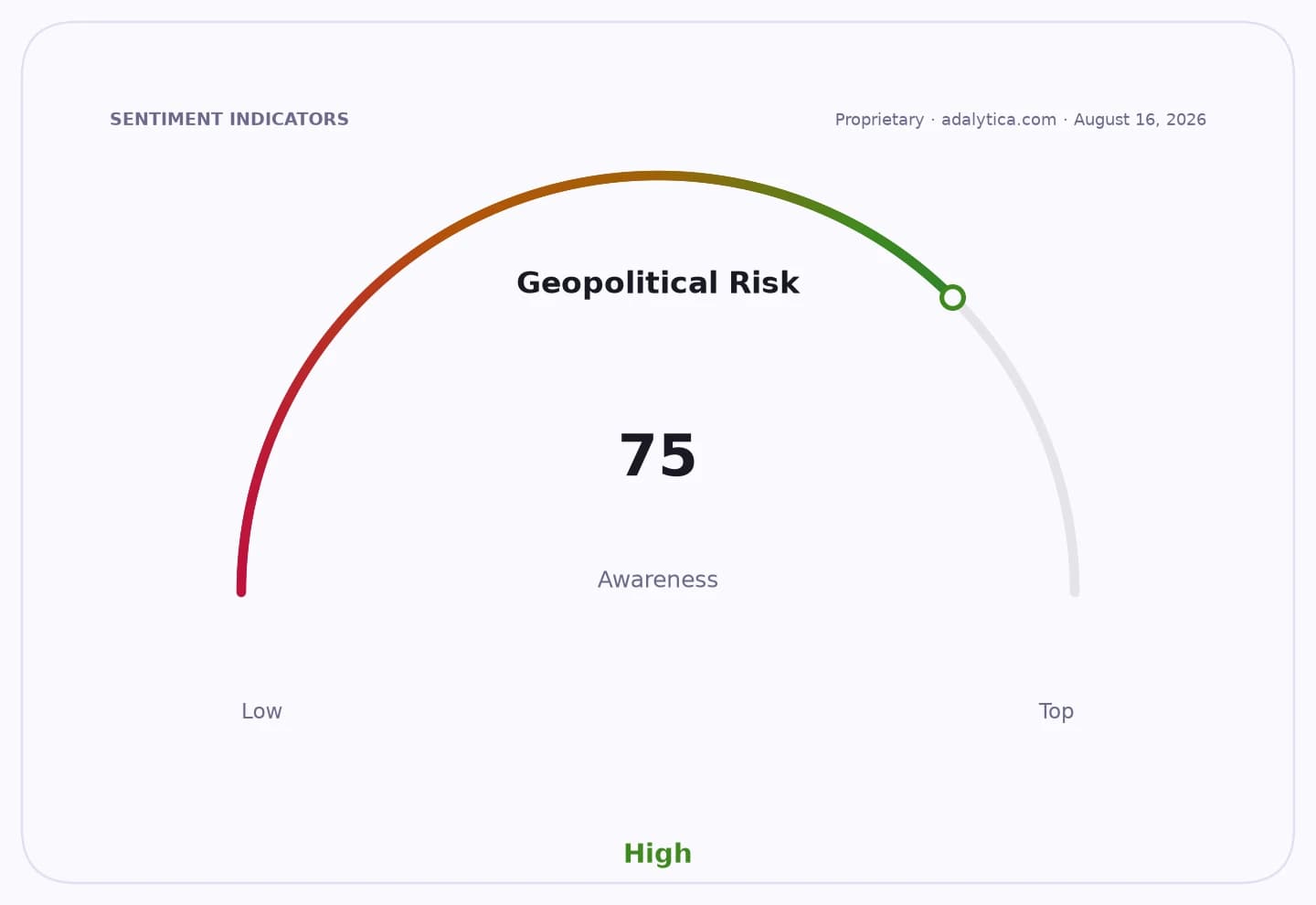
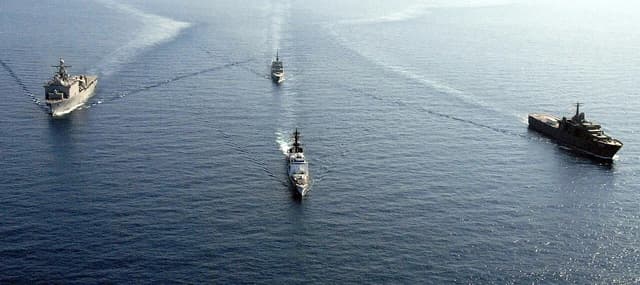
The United States has pulled a key aircraft carrier out of the Western Pacific for the Middle East, a redeployment that leaves Asia with a thinner American deterrent at a time when China, Russia and regional security anxieties are all rising.
The move matters because carrier presence is not just symbolism in the Indo-Pacific: it is the most visible, flexible signal that Washington can defend allies, police sea lanes and respond quickly to a crisis. Taking the USS George Washington out of East Asia to support operations tied to the Iran conflict exposes a strategic trade-off that has been building for years — the US can still project power globally, but it is increasingly forced to choose where that power is concentrated.
For China, the moment is an opportunity missed as well as a warning. Beijing has long argued that Washington cannot sustain simultaneous pressure in the Middle East and the Western Pacific without stretching its force posture. The latest redeployment gives that argument fresh weight, even if it does not automatically change the military balance. In market terms, it reinforces the view that geopolitical risk is becoming more fragmented, not less, and that investors should expect higher defense spending, more pressure on supply chains and periodic volatility across Asian assets.
That backdrop is showing up in markets. The FXI China ETF has slipped to about 34.89, well below its 200-day moving average of 36.8, suggesting investors remain cautious on Chinese equities even as the immediate geopolitical narrative gives Beijing more room to maneuver. The YINN leveraged China fund is also far below its 200-day average, underscoring how little faith traders have in a sustained China rerating. Hong Kong-linked EWH has held up better, trading around 22.39 and above its 200-day average, but it too is hardly pricing a decisive improvement in regional stability.
Bond and credit markets are sending a similar message. The US 10-year Treasury yield is hovering around 4.65%, near the highest levels in years, while high-yield credit spreads remain contained at about 2.72 percentage points, indicating investors are not yet pricing a broad financial shock. But the combination of elevated rates, geopolitical strain and a stretched US military posture leaves little margin for error if the Iran conflict widens or if tensions in the Pacific harden into a more persistent confrontation.
The redeployment also has direct implications for defense contractors and their suppliers. Firms such as Northrop Grumman, Lockheed Martin and RTX have already flagged the Middle East and the Western Pacific as areas where conflict is lifting demand and complicating delivery schedules. A more dispersed US force posture typically supports procurement over time, but it can also highlight bottlenecks in readiness, maintenance and munitions inventory — all of which matter to earnings, margins and contract timing.
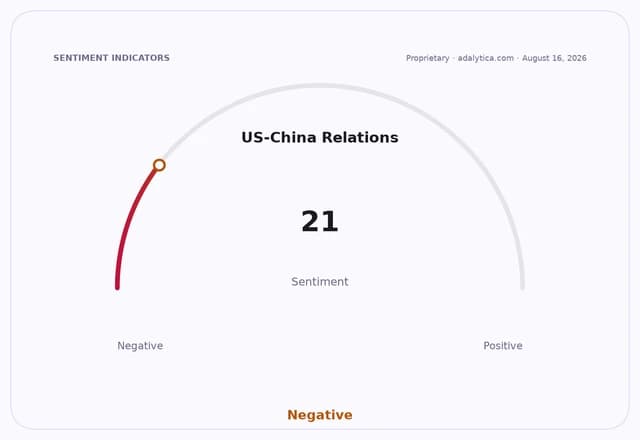
Adalytica’s US-China relations gauge shows sentiment at 21, or fear, even as awareness of the issue is at an extreme 86, reflecting just how quickly the market has repriced geopolitical risk. The broader global stability gauge is even weaker at 4, or extreme fear, a sign that investors see the Iran conflict as part of a wider pattern of simultaneous security stresses rather than an isolated Middle East event.
For investors, the key question is whether the carrier redeployment is temporary wartime housekeeping or the start of a deeper rebalancing that forces Washington to accept more risk in Asia. If the US is repeatedly drawn westward, the premium for allies such as Japan, Taiwan and the Philippines rises, while China gains more room to test US resolve below the threshold of direct conflict. That makes Pacific security not just a military issue but a live market variable for defense stocks, Asian equities, shipping routes and risk appetite more broadly.
| Entity | Gains | Losses |
|---|---|---|
| China | ▲More room to pressure region | ▼Less credible US deterrence |
| US allies in Asia | ▲Stronger case for defense buildup | ▼Thinner immediate protection |
| Defense contractors | ▲Higher long-term demand | ▼Readiness bottlenecks |
| Investors in Asia risk assets | ▲Tactical rotation opportunities | ▼Higher geopolitical risk premium |