U.S. 50% Cheese Tariff Hits Canadian Imports
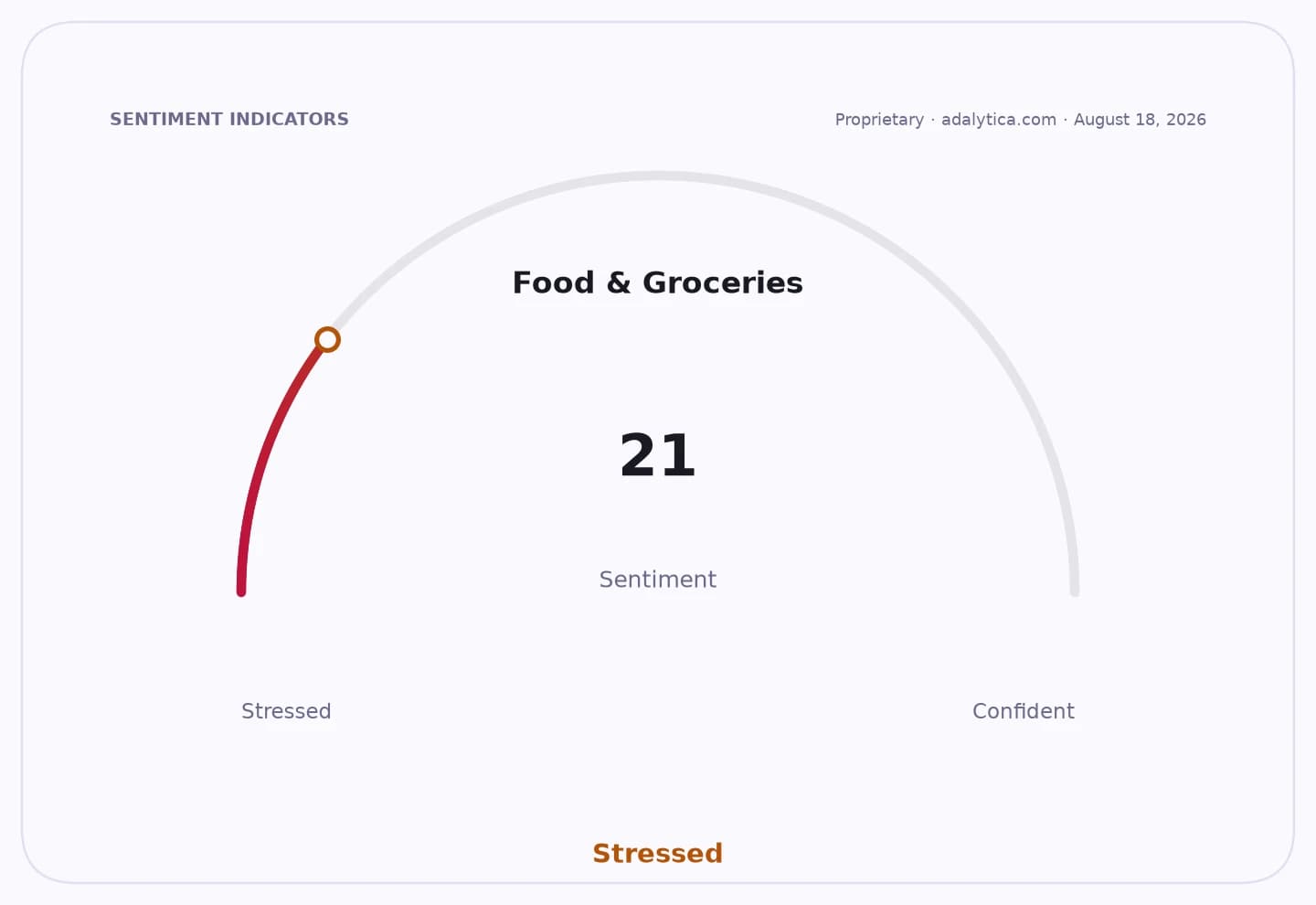
U.S. tariffs of 50 per cent on imported cheese would make it increasingly hard for specialty grocers to keep selling Canadian dairy at prices customers will bear, adding another layer of cost pressure to a food sector already navigating stubborn inflation, tight consumer budgets and volatile trade policy.
For independent retailers such as Cambridge, Massachusetts grocer Julia Hallman’s store, the issue is not just margin compression but whether the business model remains viable. Cheese imported from farms such as Fromagerie La Station in Compton, Quebec, is often purchased for its quality, provenance and customer loyalty, not for scale economics. A 50 per cent tariff would quickly erode that premium proposition unless retailers absorb the duty, pass it through to shoppers or drop the product entirely.
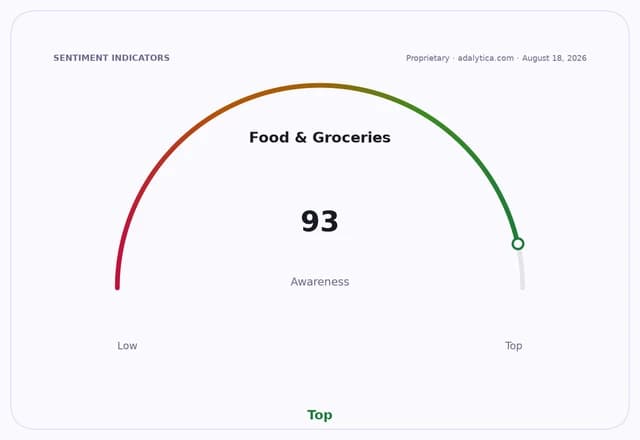
That matters economically because food tariffs function like a tax on cross-border supply chains. They raise landed costs for importers, squeeze retailers and can push consumers toward cheaper substitutes. In an environment where U.S. consumer prices remain well above pre-pandemic levels — CPI is forecast at 333.97 for August, versus 332.81 in July, according to the data provided — even niche food categories are vulnerable to demand destruction when prices move higher. For businesses that depend on artisanal imports, the tariff is effectively a direct hit to inventory economics and assortment strategy.
The impact also extends beyond one grocer. Tariffs at this level can alter purchasing decisions across the specialty food channel, redirect demand to domestic producers and reduce cross-border sales for Canadian farms and distributors. The 10-year Treasury yield near 4.64 per cent underscores that financing conditions are still restrictive, which leaves little room for small retailers to offset higher import costs with cheap capital or aggressive inventory builds.
Investors should see the episode as part of a broader trade-cost story rather than an isolated food anecdote. U.S. retailers with pricing power and scale, such as Costco, are better positioned to manage tariff shocks through sourcing flexibility and vendor negotiations, while smaller import-dependent grocers face a more immediate margin test. Sprouts, which has been outperforming on the back of demand for premium food and fresh items, could still benefit from customers trading up within domestic supply chains, but category-specific imported specialties are exposed if duties persist.
The bull case for import-heavy specialty grocers is that affluent shoppers may absorb some of the increase in exchange for quality and provenance. The bear case is that repeated tariff shocks make premium imported food less predictable, encouraging retailers to simplify assortments and consumers to trade down. If tariffs remain in place, the question for the market is less whether a single cheese can be sold profitably than whether cross-border specialty food can still be a dependable growth category.
| Entity | Gains | Losses |
|---|---|---|
| Canadian cheese exporters | ▲none | ▼U.S. demand, pricing power |
| U.S. specialty grocers | ▲protected domestic niches | ▼import margins, assortment |
| Domestic cheese producers | ▲shelf space, substitution demand | ▼none |
| Consumers | ▲cheaper local alternatives | ▼higher prices, less choice |