US China Discuss Iran Financial Links
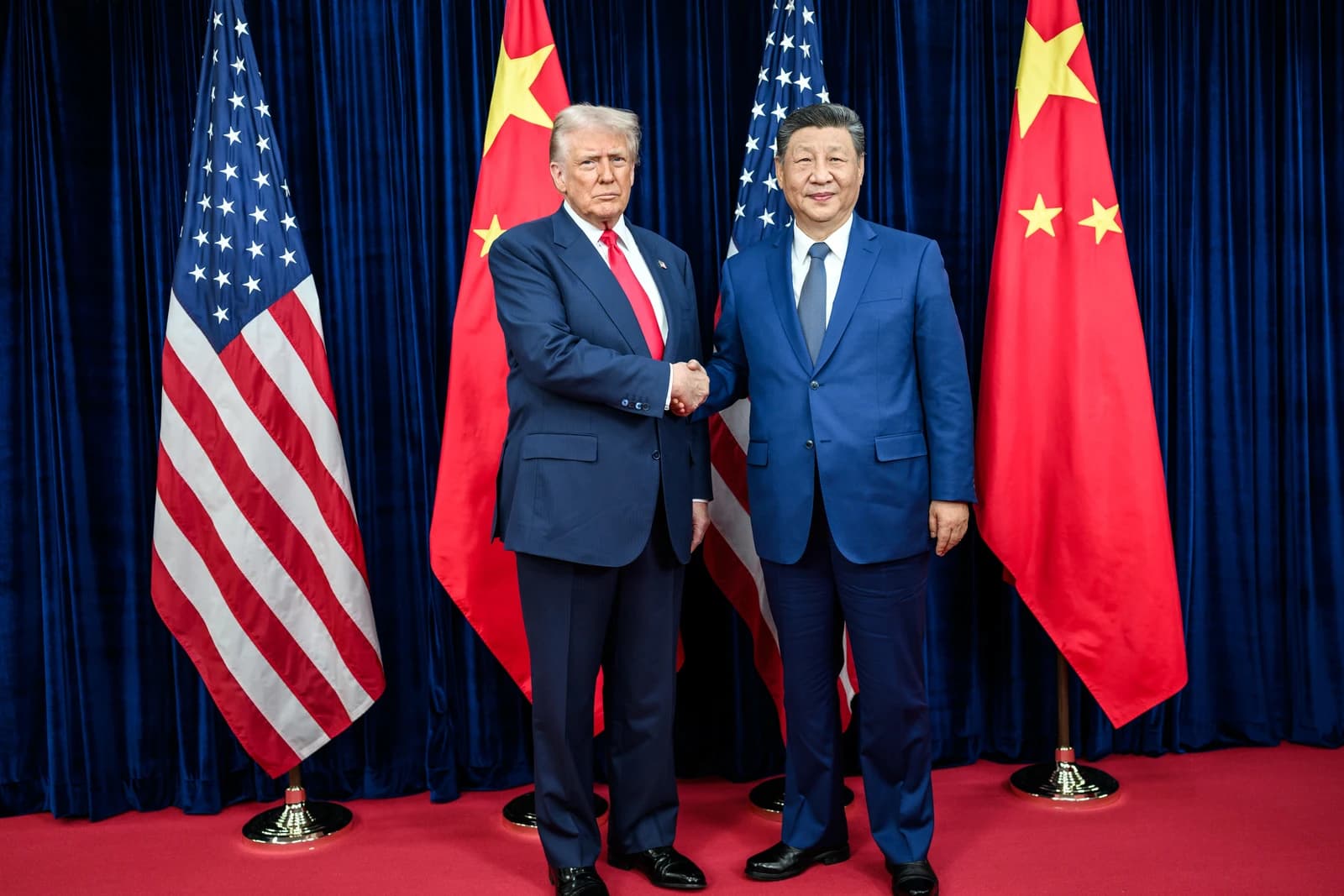
Treasury Secretary Scott Bessent said the US has held “good conversations” with China about Iran’s financial links and that President Donald Trump and President Xi Jinping will continue the discussion when they meet later this month, putting Beijing’s role in the Middle East back at the center of the broader US-China agenda.
The comments matter because any sign of Chinese support for Tehran complicates Washington’s efforts to isolate Iran economically after the war with the US and Israel, while also raising the stakes for a fragile diplomatic track between the world’s two biggest economies. For investors, the issue cuts across oil, sanctions risk, emerging-market flows and the prospect of a sharper US-China dispute over how much help Beijing is giving a sanctioned state.
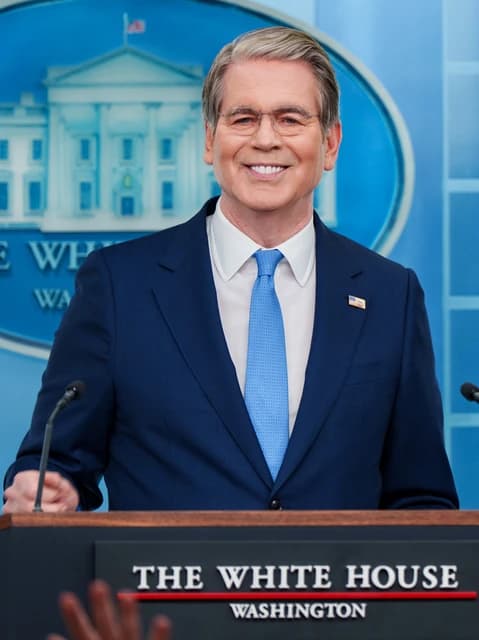
Bessent told lawmakers he will also speak with Chinese Vice Premier He Lifeng this weekend about Iran, signaling the issue is moving up the bilateral agenda ahead of the Trump-Xi meeting in Washington. He said the administration is “ending the Iranian threat,” not just containing it, underscoring the White House’s view that sanctions pressure remains a key tool even as it seeks a broader reset with Beijing.
The diplomatic backdrop is tense. China has kept up calls for de-escalation and a return to negotiations since the US-Iran war began, while maintaining its strategic ties with Tehran. Beijing is Iran’s main buyer of oil and a crucial outlet for goods, technology and communications equipment, making any shift in Chinese enforcement behavior potentially meaningful for Iran’s financing channels.
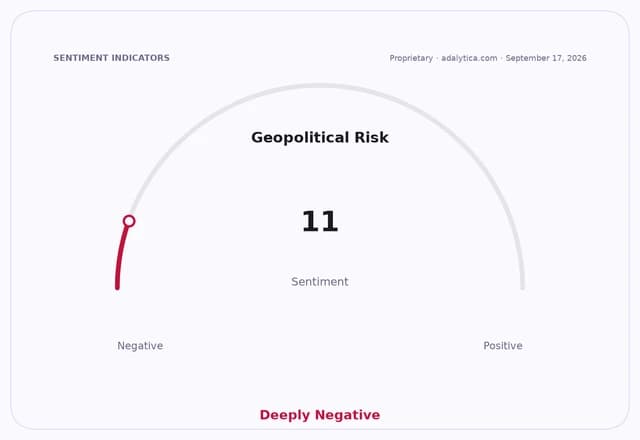
Washington has also been looking more closely at Chinese involvement after reports that Iran may have obtained high-resolution satellite images from Chinese sources before and after a July 17 missile strike on the Muwaffaq Salti air base in Jordan that killed three US troops. The US imposed sanctions in May on Chinese companies tied to satellite services or data for Iran, and Chinese officials have denied the accusations.
The issue is not isolated from the rest of the US-China file. The Trump-Xi meeting is also expected to cover trade, technology and artificial intelligence, meaning Iran could become one more pressure point in an already crowded negotiation. Markets will be watching whether the talks produce any sign of tighter enforcement on Iran, or instead another round of US-China friction that could ripple into energy prices and risk assets.
| Entity | Gains | Losses |
|---|---|---|
| US administration | ▲Sanctions leverage | ▼Diplomatic flexibility |
| China | ▲Influence with both sides | ▼Exposure to US penalties |
| Iran | ▲Economic lifeline from China | ▼Sanctions pressure |
| Oil bulls | ▲Geopolitical risk premium | ▼Relief from de-escalation |