US, China Discuss LNG Tariff Cut
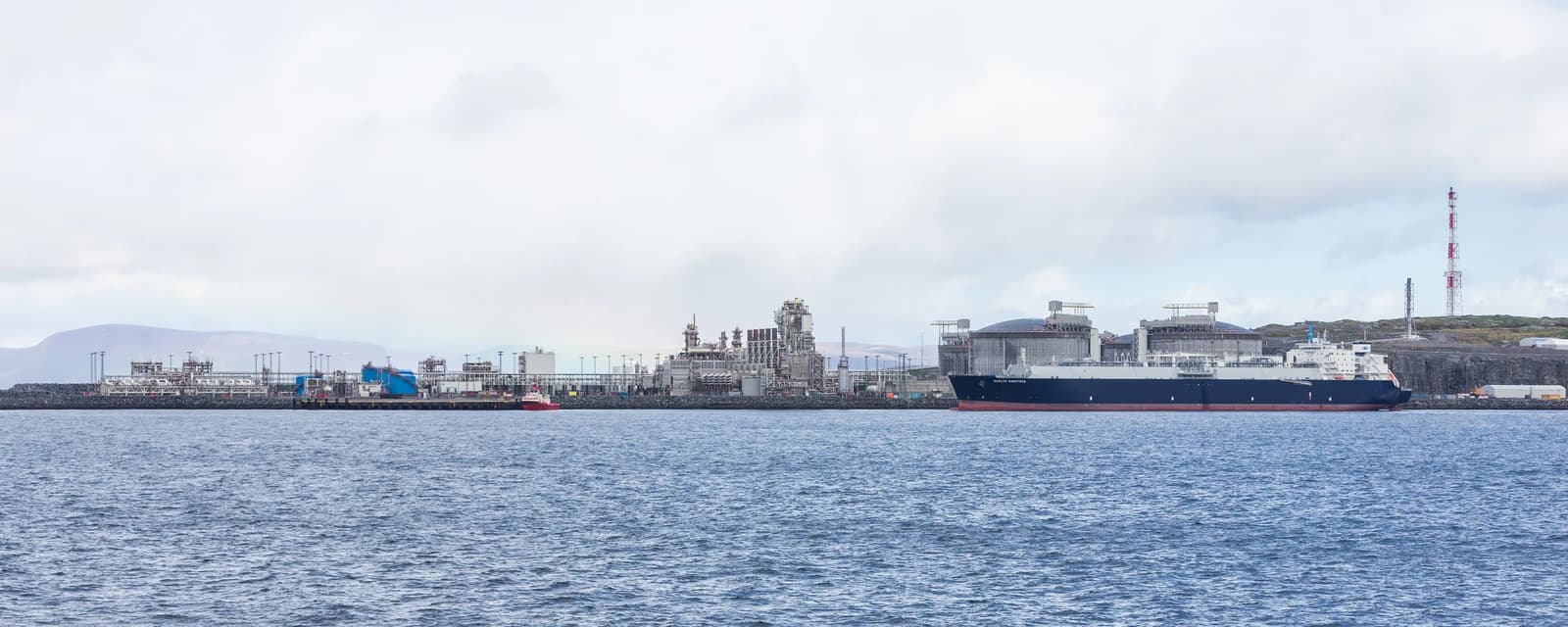
US and Chinese officials are discussing a reduction or removal of Beijing’s 15% tariff on American liquefied natural gas, a move that could revive a trade that was effectively shut this year just as US exporters are bringing a wave of new capacity online.
The talks matter because LNG has become one of the most economically sensitive symbols of the broader US-China trade relationship. A tariff on a fuel that underpins power generation, industrial demand and energy security did not just raise costs; it severed a commercial route linking the world’s largest LNG importer with the world’s biggest exporter. Restoring that flow would strengthen the case for US Gulf Coast projects needing long-term buyers and would give China more supply options at a time when geopolitical shocks have left global gas markets volatile.
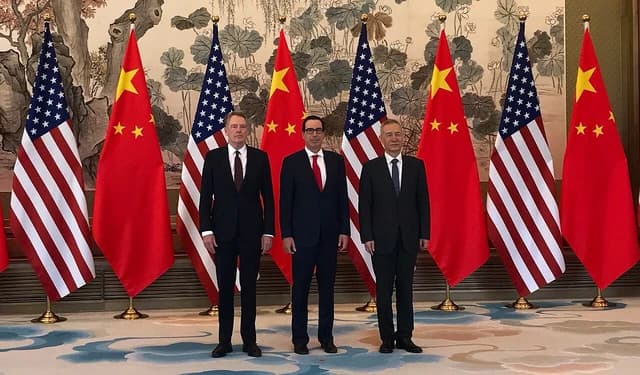
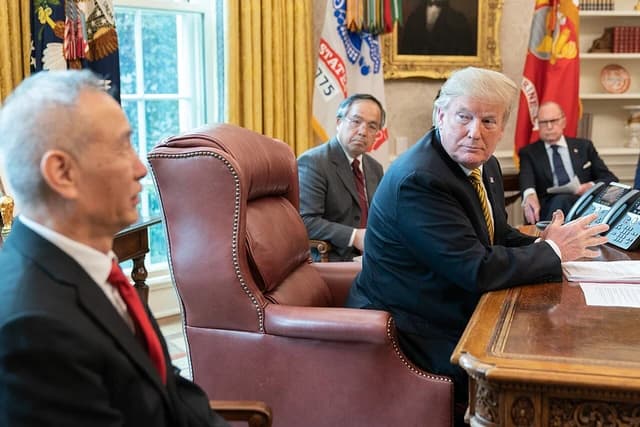
The discussions are part of a wider package under which both countries could cut tariffs on about $30 billion of goods ahead of a Sept. 24 meeting between President Donald Trump and Xi Jinping, according to people briefed on the talks. The LNG piece is strategically important because it sits at the intersection of trade, energy security and capital investment. Unlike many tariff items, LNG contracts are multi-year and infrastructure-heavy, so even a partial reopening of the market can influence financing decisions, shipping patterns and the economics of plants already under construction.
China imposed the 15% duty in February 2025 in retaliation for Trump’s tariffs on Chinese goods, effectively halting US-China LNG trade. US government data show shipments from 64 vessels in 2024 fell to effectively zero in 2025. That abrupt break came just as US producers were looking for outlets for rising supply. Capacity is set to expand by roughly 10 billion cubic feet per day through 2027, with Cheniere Energy, Venture Global, Sempra, NextDecade and Exxon Mobil among the companies adding export capacity.
The reopening of China as a buyer would be especially valuable because the US LNG buildout is entering a crunch phase: of nearly 100 million metric tons of LNG capacity under construction in the US, 24.5 million metric tons remain uncontracted to long-term customers, according to industry estimates and Reuters analysis. That leaves producers exposed to spot-market swings and financing pressure if demand growth falls short. For investors, a policy easing that restores access to China would improve visibility on offtake and could support valuations for developers and exporters, while also benefiting shipping and midstream names tied to the LNG chain.
The market backdrop makes the timing even more consequential. Russia’s invasion of Ukraine rerouted US LNG toward Europe, while conflict in the Middle East has tightened global supply and lifted competition for cargoes in Asia. US LNG exports averaged 17.4 billion cubic feet per day in the first half of 2026, up 23% from a year earlier, but that growth has to find buyers. A return of Chinese demand would ease that pressure and reduce the risk that new US terminals come online into a softer market.
Investors have already started to price the possibility that trade frictions may ease. Cheniere shares and other LNG-linked equities have been supported by the broader thesis that international demand, not just domestic gas prices, will drive the next leg of earnings growth. At the same time, the bear case remains that the talks falter, tariff relief proves temporary, or China uses the opening as leverage rather than as a durable buying commitment. In that scenario, the industry would still be left relying on Europe, India and other Asian buyers to absorb the next wave of US supply.
For now, the most important question is not whether LNG cargoes can move again, but whether any tariff cut will be enough to reset contracting behavior. If Beijing does unwind the duty, it would mark more than a trade concession: it would be a signal that energy cooperation is being used as a stabilizer in an increasingly strained US-China relationship, with direct consequences for US gas producers, global LNG flows and the financing of the next generation of export terminals.
| Entity | Gains | Losses |
|---|---|---|
| US LNG exporters | ▲Reopened China market | ▼Tariff shutdown risk |
| China buyers/importers | ▲Lower import costs | ▼Leverage from tariff barrier |
| Cheniere, Venture Global, Sempra | ▲Better contracting outlook | ▼Demand uncertainty |
| European LNG buyers | ▲Potentially less cargo competition | ▼Tighter spot supply advantage |