US China Russia Top Power Rankings
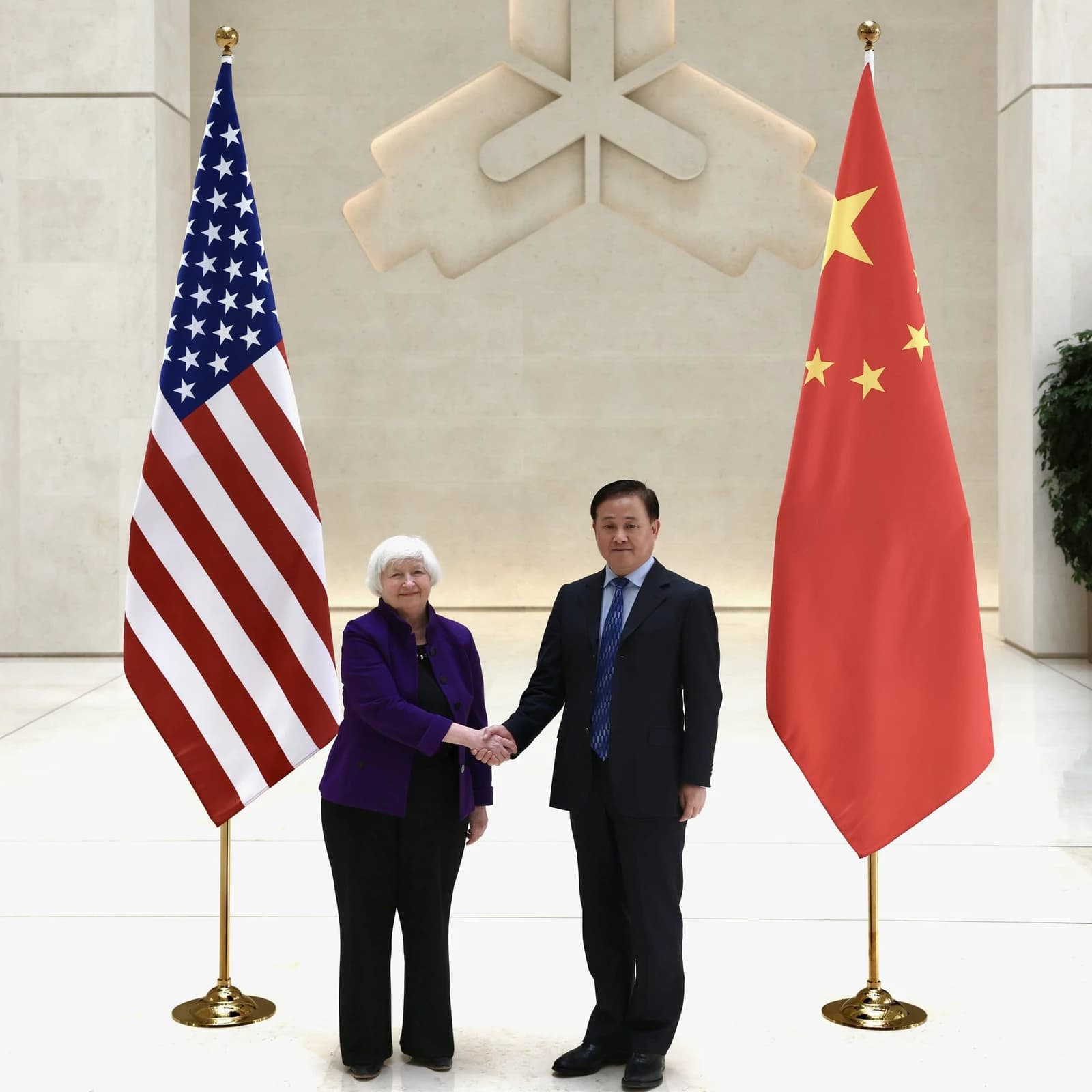
China, the US and Russia continue to dominate the national power rankings because their scale, industrial capacity and strategic depth still outweigh the drag from slower growth, energy shocks and geopolitical fragmentation elsewhere.
That matters economically because national power is increasingly being measured not just by GDP, but by the ability to sustain output, secure energy, project force and absorb shocks. In a world of disrupted supply chains, tighter industrial policy and weaponized trade, the countries with the deepest manufacturing base, largest fiscal capacity and most resilient energy systems retain an advantage that compounds over time.
The latest data underline how far ahead the top three remain. The US economy is projected at $32.9 trillion in GDP by July 2026, up from $31.4 trillion in October 2025, while industrial production is expected to edge up to 103.3 in August from 103.0 in July, showing a still-expanding factory base. That combination of output and industrial scale keeps Washington at the center of global capital flows, defense spending and technology investment.
China’s position reflects a different kind of strength: huge production capacity, state-directed industrial mobilization and a policy system that can still concentrate resources on strategic sectors. But sentiment around Beijing’s policy direction has deteriorated sharply in Adalytica’s China CCP Policy Direction gauge, which has fallen to 4 from 15 a day earlier and 61 in mid-June, indicating extreme fear about the policy outlook. That does not dislodge China from the top tier, but it does capture the market’s unease over growth quality, regulation and the durability of its recovery.
Russia remains a major power index leader despite a far smaller economic base, largely because military capacity, energy leverage and geopolitical disruption continue to magnify its influence well beyond GDP alone. For investors, that is a reminder that power rankings are not a clean proxy for market opportunity: countries can rank highly even when their investable assets are constrained by sanctions, capital controls or war-related risk.
Markets are already reflecting that divergence. The SPY has rallied to 761.78 from 647.65 in October and remains above both its 50-day and 200-day moving averages, but the move has come alongside higher volatility and a cooling in momentum, with RSI easing to 38.4 from overbought levels in May. China-focused FXI has lagged, closing at 35.34 and trading below its 200-day moving average of 36.53, a sign that investors still apply a discount to Chinese equities despite the country’s structural power.
The broader narrative is that national power is increasingly a contest of resilience, not just size. The US still leads because its economy, capital markets and industrial base are unmatched. China stays near the top because it can marshal scale and manufacturing capacity on a strategic timeline. Russia’s place reflects the growing importance of hard power and energy in a fractured world. For investors, the key implication is that the ranking of states and the ranking of markets are not the same thing: the strongest powers may offer the most strategic influence, but not always the cleanest returns.
What to watch next is whether the power gap narrows through renewed US industrial expansion, China’s policy stabilization or further geopolitical stress that rewards energy-rich and security-heavy states. If sabotage risks and infrastructure vulnerabilities rise, the premium on grid resilience, defense, energy security and domestic manufacturing will only become more important in both policy and portfolio construction.
| Entity | Gains | Losses |
|---|---|---|
| United States | ▲Industrial and financial leadership | ▼From higher security and reindustrialization costs |
| China | ▲Manufacturing scale and strategic capacity | ▼Policy uncertainty and equity valuation discounts |
| Russia | ▲Geopolitical leverage and energy power | ▼Sanctions and limited investability |
| Global investors | ▲Defensive and security-linked sectors | ▼Broad EM risk and policy-sensitive China exposure |