U.S. China Tariff Cuts Discussed Ahead of Visit
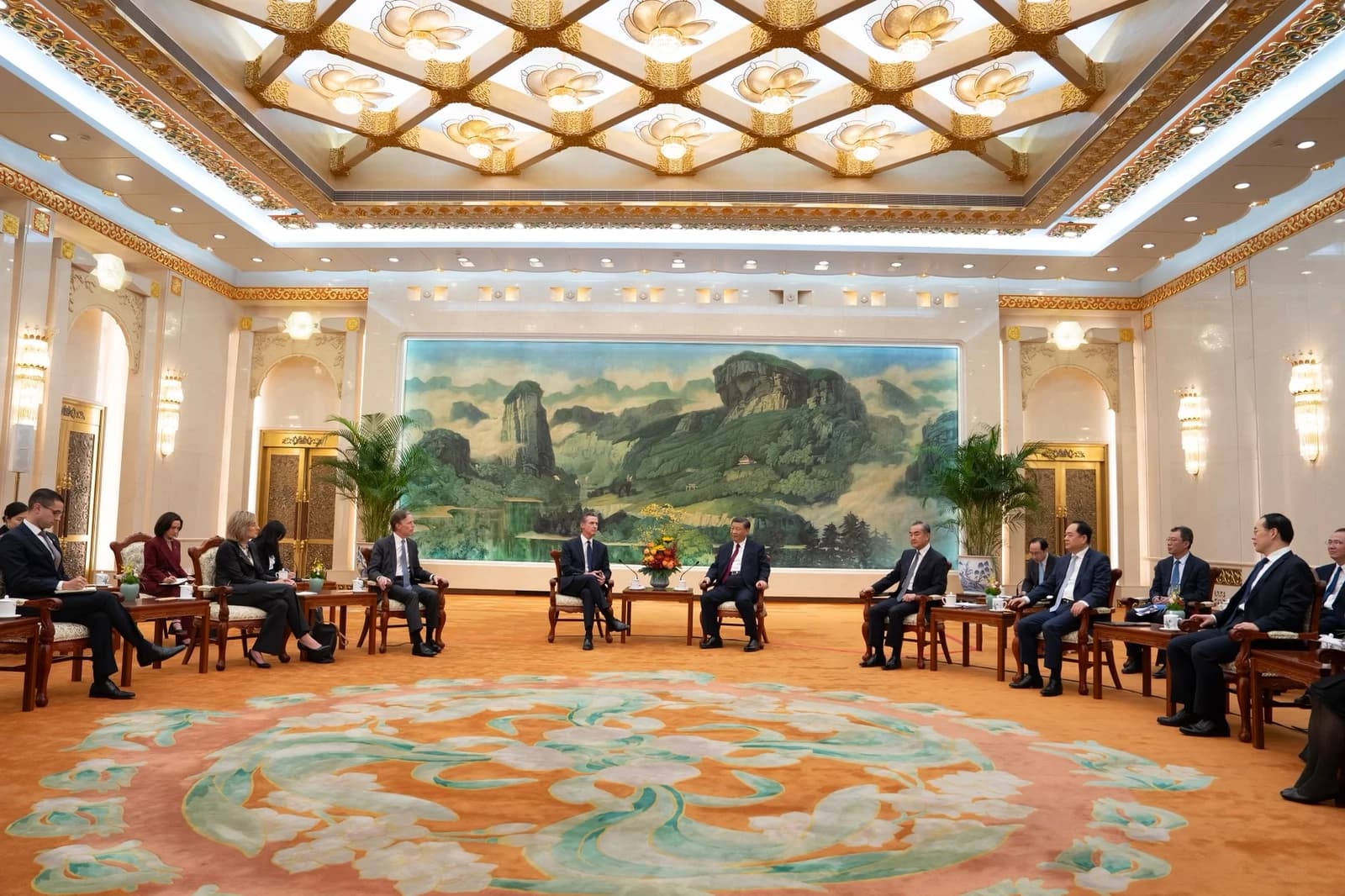
The U.S. and China are discussing cuts to duties on a range of goods, including American energy and farm products, in a move that could extend their trade truce and ease pressure on businesses on both sides of the Pacific.
The talks matter because tariffs have been one of the most direct sources of friction in the world’s biggest bilateral trade relationship, raising costs for importers, squeezing exporters and complicating supply-chain planning for multinationals. A reduction would not amount to a full reset, but it would lower the risk of another escalation at a time when both economies are still navigating slower growth and sticky trade uncertainty.
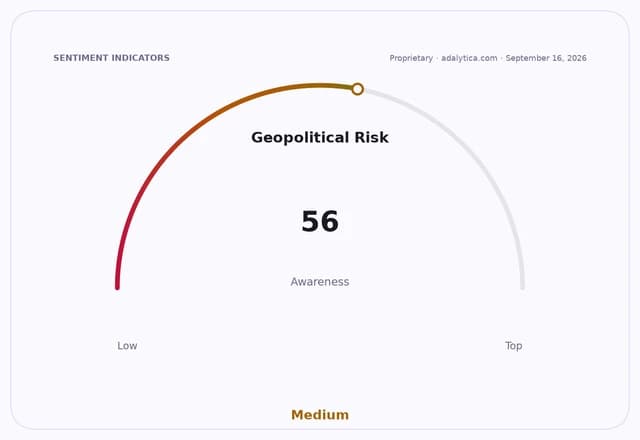
The negotiations come ahead of Chinese President Xi Jinping’s expected Sept. 24 visit to Washington for a meeting with President Donald Trump. U.S. Treasury Secretary Scott Bessent is also set to meet Chinese Vice Premier He Lifeng over the weekend to discuss economic ties, a sign both sides are trying to preserve the trade ceasefire and keep the door open to more durable concessions.
Bloomberg reported that the tariff relief is being discussed under an earlier framework for reciprocal cuts on roughly $30 billion of goods. That would be especially relevant for U.S. farmers and energy producers, who have been among the industries most exposed to Chinese retaliation and demand swings, while Chinese importers would benefit from lower landed costs on U.S. commodities.
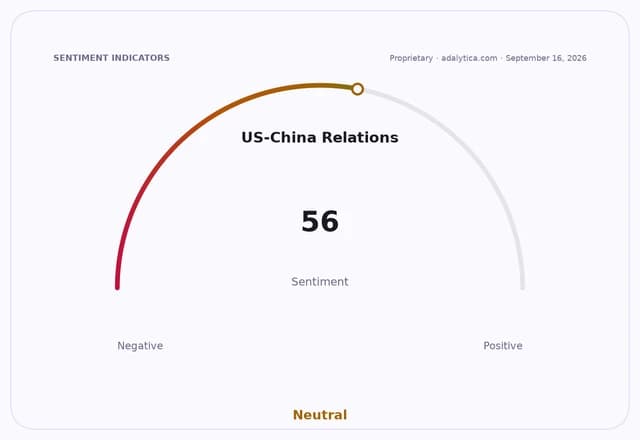
Markets have been sensitive to any sign of de-escalation. China-focused ETFs including FXI and MCHI have been under pressure recently, and both remain below their 200-day moving averages, underscoring how closely investors are watching trade headlines for confirmation that policy risk is easing rather than re-accelerating.
The backdrop is still fragile, with both governments pressing each other on commitments around rare earths, agriculture and broader market access. Any tariff rollback would likely be viewed as a tactical truce rather than a comprehensive settlement, but it could still support risk assets, commodity exporters and China-linked equities if the talks produce a concrete announcement.
| Entity | Gains | Losses |
|---|---|---|
| U.S. farmers and energy exporters | ▲Higher China demand, lower duties | ▼Less if talks stall |
| Chinese importers and manufacturers | ▲Lower input costs | ▼Higher costs if tariffs stay |
| China-linked ETFs, including FXI and MCHI | ▲Relief rally potential | ▼Trade-war premium if no deal |
| Protectionist hardliners on both sides | ▲— | ▼Reduced leverage in talks |