U.S. updates China travel advisory on arrest risks
The United States has updated its travel advisory for China, warning American citizens that they face a risk of arbitrary arrest, surveillance and exit bans that can block them from leaving the country without warning. The warning matters because it adds another layer of friction to already strained U.S.-China ties and raises the cost and legal risk of doing business, research or journalism in the world’s second-largest economy.
The State Department kept China at a Level 2 advisory — “exercise increased caution” — but expanded the language around detention and legal exposure. It said China’s national security, counterespionage and data-security laws give authorities broad powers to question or detain foreign nationals, including Americans involved in ordinary business activity, academic work or public comments.
The warning singled out Chinese-Americans, people tied to business disputes and employees of U.S. companies facing Chinese proceedings. It also flagged travelers with current or former links to U.S. law enforcement, the military, intelligence agencies or the federal government, as well as people traveling under U.S.-funded programs.
Washington said Americans can be detained without being told the charges and may not get immediate consular access. The advisory also described exit bans as a tool sometimes used to pressure people into cooperating with investigations, settle civil disputes in China’s favor or force relatives and associates to return to the country.
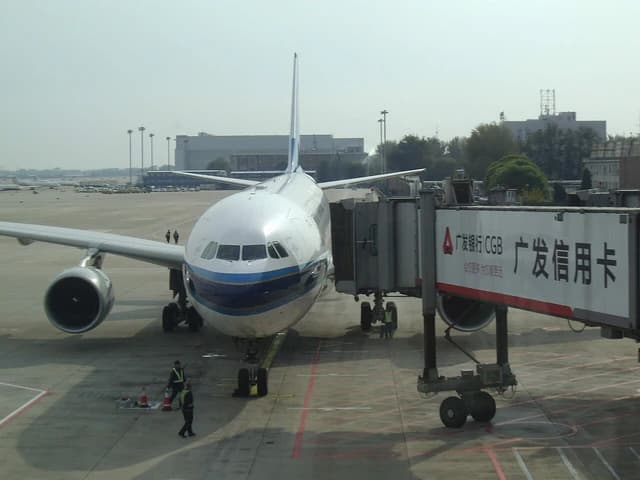
For investors, the warning reinforces the operational risk already embedded in cross-border exposure to China, especially for multinationals with staff, supply chains or disputed assets on the ground. Companies in technology, consumer goods and industrials have long treated China as both a growth market and a regulatory hazard, but the latest advisory underscores the possibility that legal and personal risks can impede basic commercial activity.
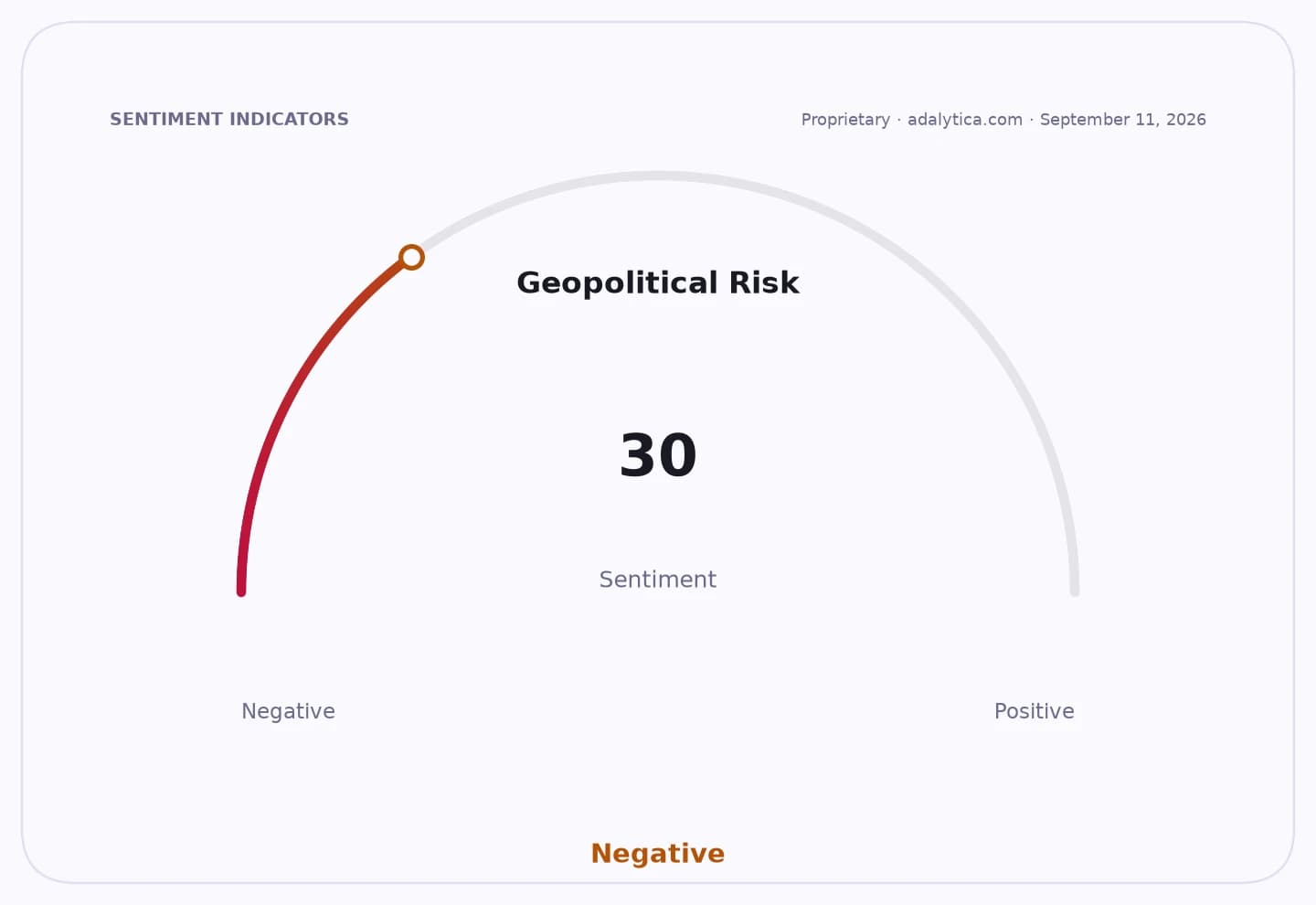
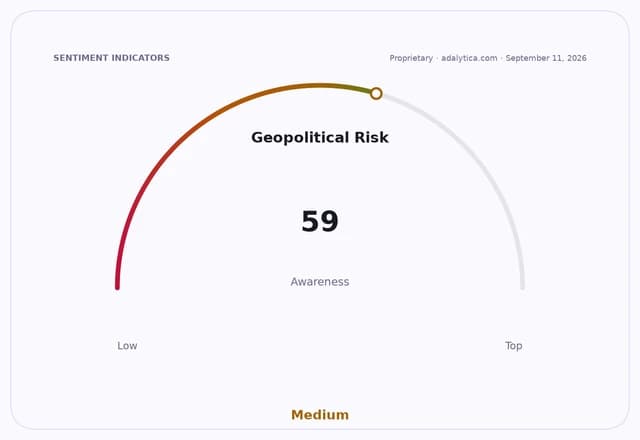
That backdrop is relevant for firms with deep China exposure, including Alibaba and Tencent, and for U.S. multinationals that depend on the Chinese market or Chinese suppliers. It also arrives as broader geopolitical gauges from Adalytica point to extreme U.S.-China tension, even as market pricing in some China-linked names remains volatile.
Shares of Alibaba and Tencent have both been under pressure in recent sessions, with Alibaba closing at $109.30 and Tencent at $54.55 on the latest trading day in the data, while Nike fell to $36.80. Those moves reflect a market still weighing China demand, regulatory uncertainty and supply-chain risk, even before any fresh policy escalation.
The economic significance is wider than one travel notice. China remains a critical market for global companies, but more aggressive legal enforcement and exit-banishment fears can deter executives, researchers and journalists, complicate dealmaking and raise the effective cost of operating there.
The immediate test is whether U.S. firms respond by tightening travel policies, shifting personnel assignments or delaying on-the-ground engagement in China. Any further deterioration in bilateral relations, or new detentions involving foreign executives, would likely deepen the risk premium already attached to China exposure.
| Entity | Gains | Losses |
|---|---|---|
| U.S. travelers | ▲Clearer risk warning | ▼Greater travel caution |
| U.S. companies in China | ▲Better compliance planning | ▼Higher operational risk |
| Chinese authorities | ▲Leverage over foreign visitors | ▼More scrutiny from Washington |
| Alibaba, Tencent, Nike | ▲None obvious | ▼China-exposure pressure |