US Consumer Confidence Falls as Inflation Stays High
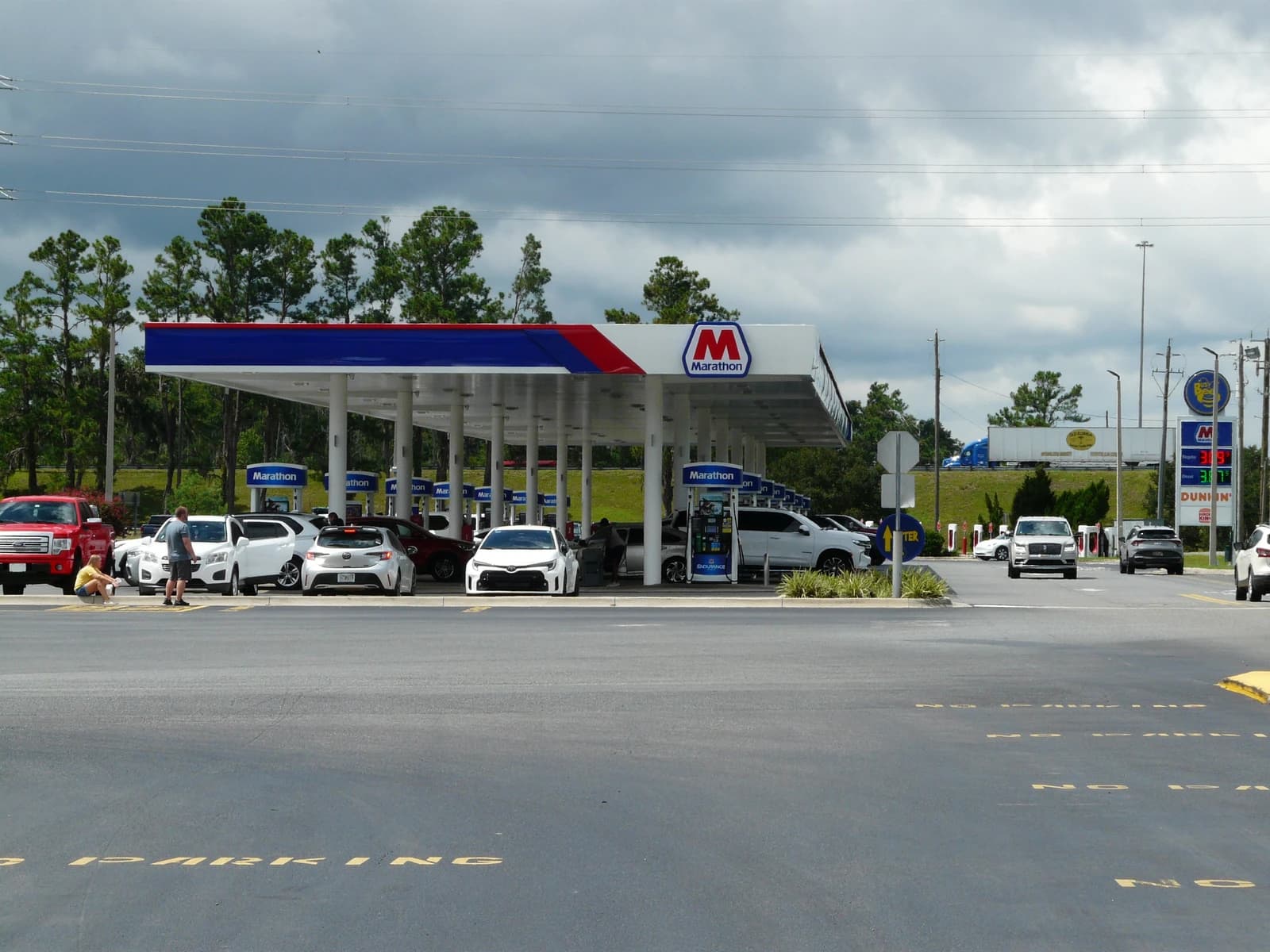
US consumer confidence is under pressure again as higher inflation and gasoline prices weigh on households, threatening to curb discretionary spending heading into the late-summer retail stretch.
The backdrop matters because consumer spending drives about two-thirds of US economic activity, and any fresh erosion in sentiment can quickly show up in sales at restaurants, retailers and travel companies. A weaker mood also complicates the Federal Reserve’s job as officials try to judge whether price pressures are easing fast enough without cracking demand.
Inflation remains elevated even after a long cooling trend from its pandemic-era peak, and the latest consumer price readings show prices still edging higher. The CPI series in the context points to an expected August reading of 333.97, up 0.35% from July, underscoring that households are still not getting much relief at the register.
Gasoline is a particular pain point. US crude prices have rebounded sharply from mid-August lows around $83.99 a barrel to an August 19 forecast near $86.74, a move that tends to feed into pump prices and household budgets with a lag. When fuel costs rise, consumers often cut back on nonessential purchases first, which can spill over into broader demand.
Markets are already showing the strain in consumer-facing assets. The Consumer Discretionary Select Sector SPDR ETF, XLY, has been volatile but was still trading around $118.30 on Aug. 24, with its RSI near 50 and the price above both the 50-day and 200-day moving averages, suggesting a market that is holding up but not on strong conviction. The Consumer Staples ETF, XLP, has outperformed on a relative basis, rising to $87.45 and sitting well above its 200-day moving average, a sign investors are still favoring defensive spending names.
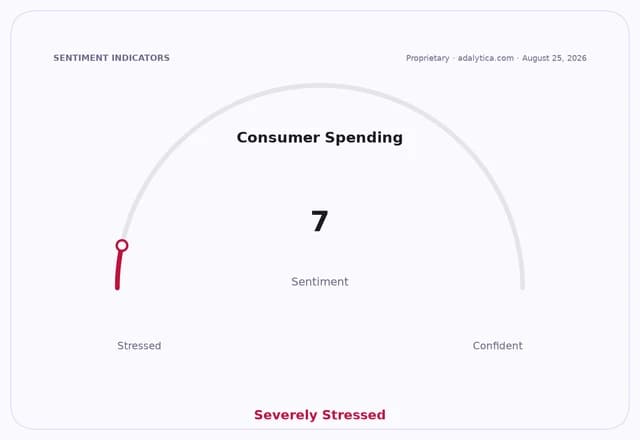
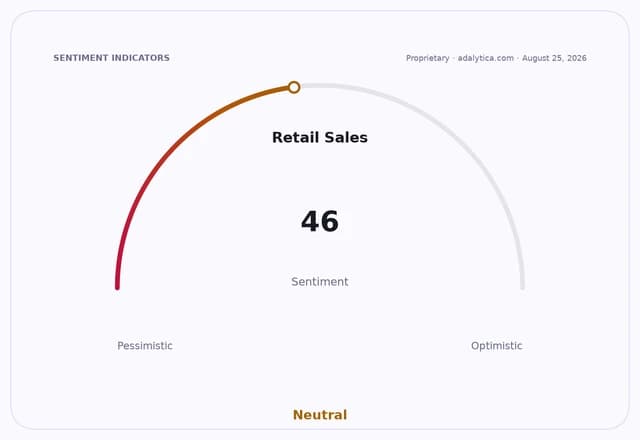
Adalytica’s Consumer Spending Sentiment gauge is flashing extreme fear at 7, down 39 points over the past week, while its Retail Sales Sentiment remains neutral. That split suggests shoppers are nervous even if they are not yet collapsing into a full spending retreat.
For investors, the message is straightforward: inflation that remains sticky, gasoline that is moving higher and confidence that is sliding lower can quickly change the earnings outlook for retailers, airlines, hotels and other consumer cyclicals. If sentiment keeps deteriorating, Wall Street will likely lean further into staples and other defensive sectors.
The next catalyst is the coming run of inflation and consumer-spending data, which will show whether households are absorbing higher costs or starting to pull back more aggressively.
| Entity | Gains | Losses |
|---|---|---|
| Consumer staples | ▲Defensive demand, relative outperformance | ▼Slower rotation into cyclicals |
| Consumer discretionary stocks | ▲Stable spending if confidence rebounds | ▼Margin and sales pressure from weaker demand |
| Oil producers | ▲Firmer fuel prices, stronger revenue | ▼Fuel-sensitive households and retailers |
| Households | ▲Lower inflation relief if prices cool | ▼Higher gasoline and everyday costs |