US Consumers Cut Back on Restaurant Spending
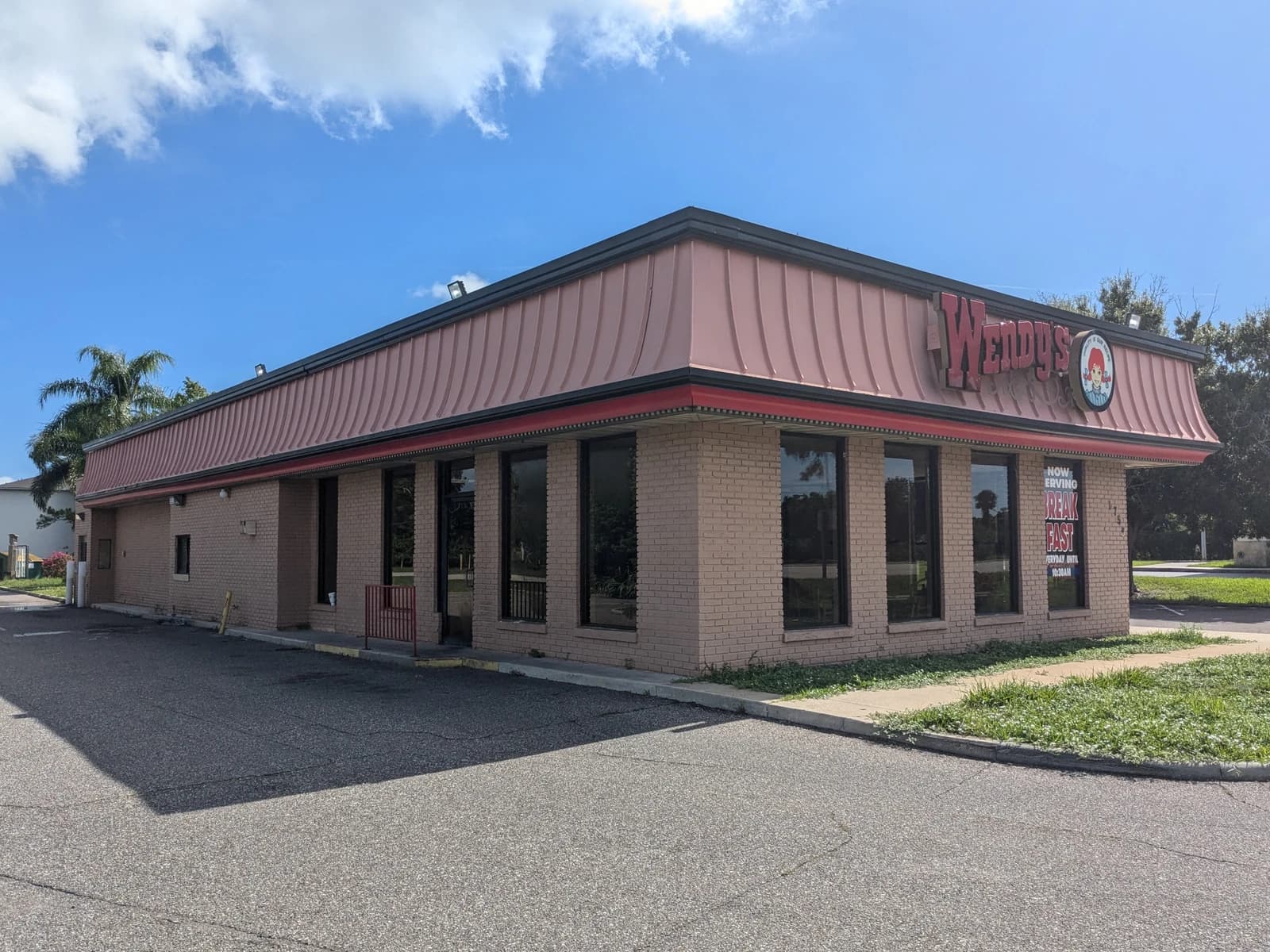
Diners are pulling back from some of the biggest restaurant chains as inflation, softer spending sentiment and a still-tight labor market push consumers to rethink where every meal dollar goes.
That shift matters because it is not just a restaurant story; it is a read on the health of the US consumer. The latest data show food and grocery spending sentiment collapsing to 32, even after a brief burst of extreme greed earlier in the month, while consumer spending sentiment remains volatile despite a still-low unemployment rate of 4.1%. In other words, households may still have jobs, but they are becoming far more selective about discretionary spending — and branded restaurant visits are increasingly an easy place to cut.
The pressure is showing up where it hurts most: at scale players built on frequent traffic. McDonald’s, Starbucks and Yum Brands are all contending with a customer who is trading down, visiting less often or shifting to cheaper alternatives. McDonald’s shares have been choppy even after a summer rebound, while Starbucks has staged a recovery from earlier weakness but still looks vulnerable to any stall in traffic momentum. Yum, which leans heavily on value-sensitive brands such as Taco Bell and Pizza Hut, is also exposed to the consumer’s growing insistence on deals and lower-priced occasions.
This is why the market underestimates the second-order effect. When diners feel squeezed, they do not just spend less at one chain — they redistribute spending across the entire food ecosystem. That favors off-premise meals, convenience, grocery, private-label food and low-ticket quick-service concepts, while full-priced coffee, casual dining and premiumized menu items face the most risk. The result is a widening split between traffic winners and traffic losers, even in a nominally stable economy.
For investors, the message is that restaurant equities are no longer one trade. The best opportunities are likely in the brands and suppliers that benefit from value migration, not just in the names with the biggest store counts. Chains with sharper price points, stronger loyalty programs and cleaner execution can still grow share, but the premium multiple goes to businesses that can absorb weak traffic without leaning too hard on price. That makes the current environment less about absolute consumer strength and more about relative positioning.
The macro backdrop supports that view. CPI is running at 332.813, far above pre-pandemic norms, meaning the cost of eating out still sits well above what many households remember as normal. Even with unemployment forecast to ease to 4.09%, the consumer is not returning to the old spending pattern. Instead, behavior is shifting toward value discipline — a dynamic that can keep pressure on restaurant traffic longer than headline employment data would suggest.
That leaves the biggest chains in a delicate spot. They still have scale, brand power and pricing leverage, but the next leg of growth will depend on proving they can win visits without relying on aggressive menu inflation. If sentiment stays choppy, investors should expect the market to reward operators that capture the trade-down dollar and punish those most exposed to discretionary meal occasions.
The actionable takeaway: own the picks-and-shovels of consumer trade-down, not the most obvious beneficiaries of premium spending. In this environment, the winners are the chains and suppliers that profit when diners become choosier.
| Entity | Gains | Losses |
|---|---|---|
| Value-oriented quick service chains | ▲Trade-down traffic | ▼Premium menu mix |
| Grocery and convenience stores | ▲More meal occasions | ▼Dine-out frequency |
| McDonald’s / Starbucks / Yum Brands | ▲Brand scale | ▼Customer visits |
| Consumers | ▲More budget control | ▼Dining-out variety |