US debt, inflation and AI capex pressure valuations
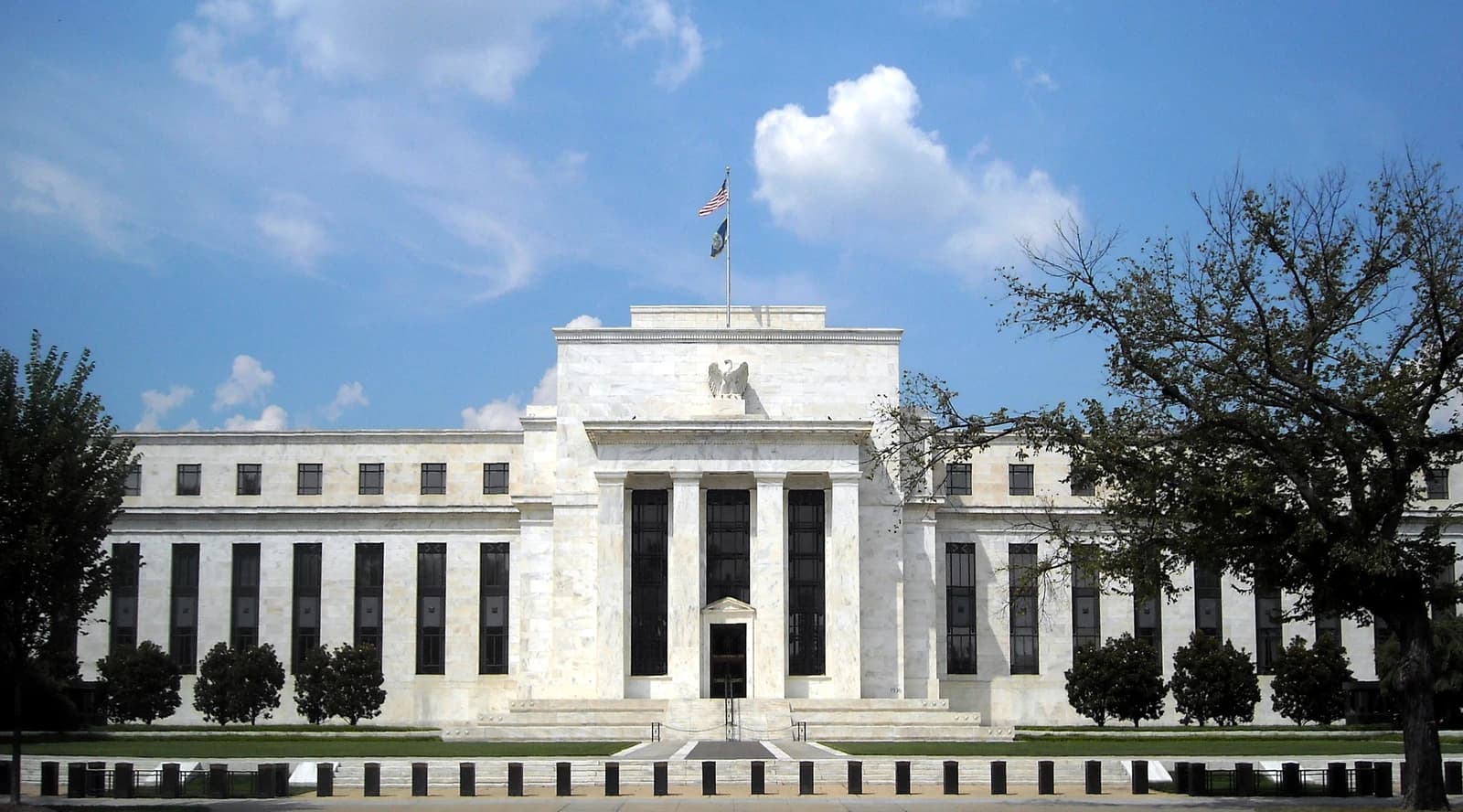
The U.S. has crossed $40 trillion in public debt, but the more immediate market risk is that heavy government borrowing, stubborn inflation and a wave of AI-related spending are keeping real interest rates elevated and forcing investors to rethink valuations.
That combination matters because it raises the cost of capital across the economy just as corporate America is still funding large technology bets and governments are issuing more bonds to finance deficits. The result is a tougher backdrop for equity multiples, especially in the parts of the market most dependent on future earnings far out on the curve.

Benchmark borrowing costs remain high enough to bite. The 10-year Treasury yield was around 4.64%, near the top of its recent range, while the federal funds rate sat at 3.63%, leaving policy still restrictive by historical standards. Inflation, meanwhile, has not returned to the kind of benign environment that would let the Federal Reserve slash rates aggressively; the CPI index is still up to 332.8 from 333.0 in the latest monthly read, showing price pressures have eased only gradually rather than collapsed.
Equities have so far absorbed the strain, but the internal message is less comfortable than the headline level suggests. The SPDR S&P 500 ETF Trust was last at 769.35 after rebounding from a sharp selloff in late July, when it fell to 646.90 and its relative strength index dropped to deeply oversold levels. The 50-day moving average at 753.96 now sits below the current price, which is constructive in the short term, but the rally has also left the fund close to the upper end of its Bollinger Band range, a sign the market is no longer cheap on a technical basis.

The Nasdaq 100 has been more volatile, underscoring how sensitive growth stocks remain to rates. QQQ plunged to 661.73 on July 29 before recovering to 716.43, but it is still dealing with the reality that AI winners are being asked to spend heavily before those investments fully show up in earnings. Microsoft, Meta and Nvidia have all recently signaled substantial capital outlays and investment activity tied to AI infrastructure, a reminder that the sector’s strongest cash generators are also becoming some of its biggest spenders.
That is where the debt story and the AI story intersect for investors. Massive federal borrowing can keep Treasury supply elevated and term premiums firm, while AI capex can pressure free cash flow and delay margin expansion. In a market priced for durable earnings growth, that is a less forgiving mix than the past decade of near-zero rates and easy liquidity.
Bonds have not offered a clean refuge either. TLT, which tracks long-duration Treasuries, was last at 82.88 and remained below both its 50-day and 200-day moving averages, suggesting fixed-income investors still expect little relief from rate pressure. Adalytica’s Treasury bond trade snapshot showed neutral sentiment, while its long-term inflation expectations gauge stayed in extreme fear, reinforcing the market’s caution around the inflation path.
For investors, the message is not that a crash is inevitable, but that the support structure behind the post-pandemic bull market is weaker than it was. High debt levels, sticky inflation, elevated yields and capital-intensive AI spending all point to lower tolerance for expensive valuations and more abrupt rotations between growth and defensives. If yields stay near current levels, the winners are likely to be companies with strong current cash flow and low financing needs, while highly valued growth names and rate-sensitive sectors remain vulnerable to profit taking.
The next catalyst will be whether inflation cools enough to pull the 10-year yield lower or whether fresh Treasury issuance and firm spending keep financing conditions tight into the autumn. For now, the market is still climbing, but it is doing so on less stable ground than the index level alone would suggest.
| Entity | Gains | Losses |
|---|---|---|
| Cash-rich value stocks | ▲Higher relative appeal | ▼Slower multiple expansion |
| Long-duration Treasuries | ▲Potential haven demand | ▼Price pressure from high yields |
| AI mega-cap spenders | ▲Strategic growth optionality | ▼Free cash flow and margin strain |
| Levered or high-valuation equities | ▲— | ▼Higher discount rates |