U.S. debt relief as rates near cycle lows

Household debt is getting a little easier to manage as U.S. borrowing costs settle near cycle lows and the labor market remains resilient, giving borrowers more room to attack balances rather than simply service them.
The federal funds rate is forecast at 3.625% in August, down from the peaks that made card balances and other variable-rate debt painfully expensive, while the U.S. unemployment rate is expected at 4.09% and the high-yield credit spread sits near 2.685 percentage points, a sign that funding conditions have eased even if they are not cheap. For consumers trying to get out of debt, that combination matters: lower policy rates can slow the growth of interest charges, and a still-stable job market reduces the odds that a repayment plan is derailed by lost income.
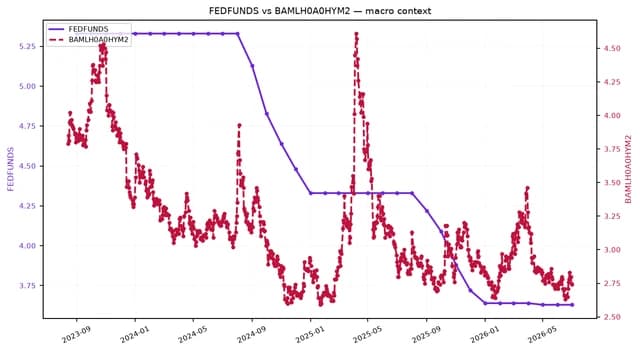
That is especially relevant for credit card borrowers, the most exposed to floating rates and compound interest. Adalytica’s Credit Card Usage Sentiment gauge is at 43, neutral, after a 54-point drop over the past week, suggesting awareness of debt pressure is high even as the willingness or urgency to borrow is cooling. Wage Inflation Sentiment is also neutral at 43, but its trend remains elevated, implying incomes are still rising enough to support repayment for some households. In practical terms, borrowers with steady paychecks have a better chance of rolling balances into lower-cost installment loans, balance-transfer offers or accelerated payoff plans before rates turn back up.
The relief is partial, not decisive. Major consumer lenders are still reporting meaningful charge-offs and delinquency pressure, which shows that many households are not out of the woods. Capital One’s latest filing said its net charge-off rate in the second quarter fell only 1 basis point from a year earlier to 3.23%, while Synchrony’s credit-card business continues to carry elevated loss pressure in its own filings. That tells investors the consumer-credit cycle has improved from the worst fears, but it has not reverted to the easy-money era that let borrowers coast.
For markets, the narrative is straightforward: lower benchmark rates help debtors first, but they can also compress the income lenders earn on revolving balances. Capital One shares have climbed to about $220.27, far above their spring lows, while Synchrony is at $78.91, both reflecting improved sentiment toward consumer credit and a softer rate backdrop. The bullish case is that easing rates reduce payment stress, support credit quality and eventually free up spending. The bearish case is that household leverage remains high enough that any slowdown in wages or hiring would quickly push delinquencies back up, especially in unsecured credit.
For anyone asking how to get out of debt, the macro answer is to use the window while it lasts: refinance where possible, target the highest-rate balances first, and avoid adding new revolving debt. For investors, the key question is whether the current mix of lower rates, moderate unemployment and still-manageable spreads can extend long enough to keep consumer losses contained without killing lender returns.
| Entity | Gains | Losses |
|---|---|---|
| Borrowers with variable-rate debt | ▲Lower interest burden | ▼Slower payoff if they keep spending |
| Banks and card lenders | ▲Better credit quality | ▼Less interest income |
| Consumers with stable wages | ▲More room to deleverage | ▼Still face high balances |
| Short-duration bondholders | ▲Lower default risk | ▼Lower yields over time |