U.S. dollar rises as oil and yields climb
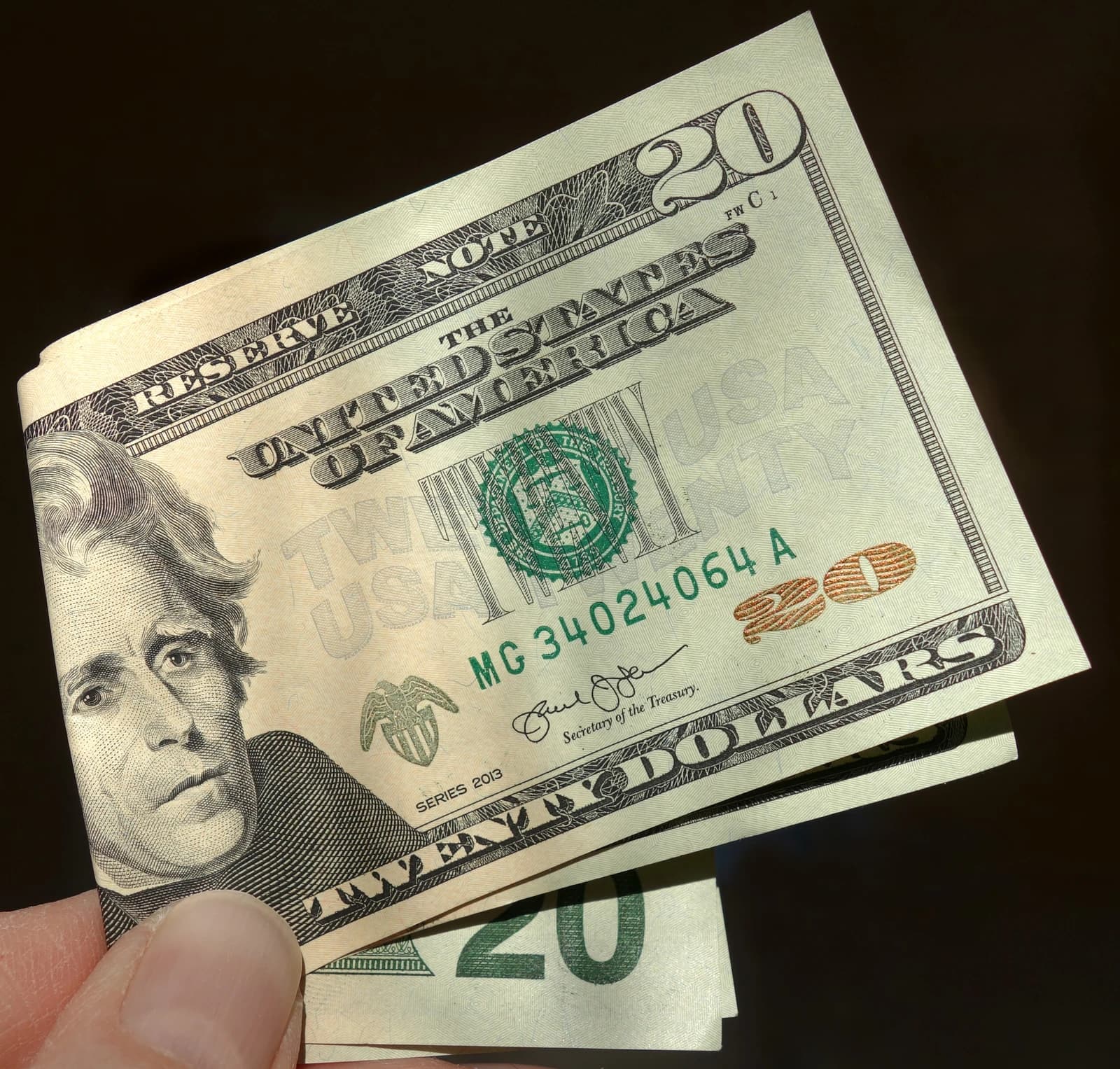
The U.S. dollar edged higher against most major currencies on Tuesday as a jump in oil prices pushed Treasury yields up and reinforced expectations that the Federal Reserve will keep policy tight enough to support the greenback.
That matters because the dollar sits at the center of global pricing power. When it strengthens, it raises the cost of imports for countries and companies outside the United States, tightens financial conditions abroad and often takes some heat out of commodities priced in dollars. For investors, a firmer dollar can also pressure overseas earnings translated back into U.S. reporting currency, while helping dollar-denominated assets outperform peers in times of stress.

The euro slipped 0.1% to $1.1541, not far from a one-month low touched in the previous session. Sterling fell 0.2% to $1.3477 ahead of Thursday’s Bank of England decision, with most analysts expecting the BoE to hold rates steady even as markets still see another hike later this year. The yen weakened 0.5% against the dollar, briefly slipping below 155 per dollar after having climbed to a seven-month high a week earlier.
The move in the dollar is a reminder that currencies rarely trade on one headline alone. Rising oil prices feed inflation expectations, and higher yields tend to make U.S. assets more attractive relative to other developed markets. That combination gives the dollar a natural tailwind, especially when traders are still leaning toward another Federal Reserve rate increase.

Technical traders would also note that the U.S. Dollar Index ETF, UUP, has been holding above its 50-day and 200-day moving averages, with recent RSI readings still showing solid momentum rather than an overextended breakout. In plain English, the trend remains constructive, not exhausted.
For long-term investors, the practical takeaway is simple: a stronger dollar is not just a currency story, it is a cross-asset story. It can reshape returns for multinational stocks, emerging markets, commodities and foreign bonds all at once. If the Fed stays firmer for longer than peers, the dollar may keep its edge — making it worth watching for anyone building a diversified portfolio over the next several years.
| Entity | Gains | Losses |
|---|---|---|
| U.S. dollar | ▲Higher yield support | ▼Foreign borrowers |
| U.S. exporters | ▲Stronger pricing power abroad | ▼Multinationals with overseas revenue |
| U.S. Treasury markets | ▲Higher yield appeal | ▼Rate-sensitive assets |
| Euro, pound, yen | ▲Limited in current trading | ▼Against the greenback |