US dollar rises to R$5.13 as jobs data lifts yields
A hotter-than-expected US labor market has jolted global markets, lifting the dollar to R$5.13 and pressuring stocks as traders quickly pared bets on an easier Federal Reserve path.
That matters because the jobs report does more than move currencies for a day: it reinforces the view that the US economy is still running hot enough to keep interest rates elevated for longer. When employment stays firm, Treasury yields tend to rise, the dollar firms and risk assets lose some of their bid. That is exactly the setup investors are facing now.
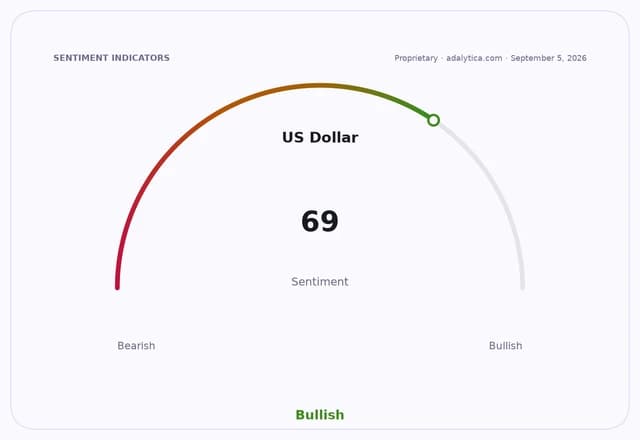
The greenback’s move comes alongside firmer US rates, with the 10-year Treasury yield around 4.8%, a level that keeps discount rates high for equities and raises the hurdle for anything priced on future growth. The Federal funds rate is still anchored at 3.63%, but a resilient labor market makes it harder for the market to price aggressive easing. For global investors, that combination is critical: a stronger dollar tightens financial conditions abroad, while a higher yield environment drains appetite for high-multiple stocks.
Brazil is especially sensitive to this kind of shock. A stronger dollar tends to pressure the real, complicating inflation dynamics and making imported goods more expensive. For Brazilian equities, the risk is more immediate: a weaker currency can support exporters in theory, but it also usually coincides with lower risk appetite, heavier foreign outflows and a more cautious stance toward local assets. That is why the stock market closed lower even as the dollar gained.

There is also a broader cross-asset message here. The S&P 500 still sits near 770, above its 50-day and 200-day moving averages, but the latest session shows how quickly momentum can soften when macro data shifts the rate outlook. The dollar ETF UUP has also been strengthening, with technical readings pointing to a firmer near-term trend, while Treasury bonds have stabilized only modestly after recent pressure. Investors should read that as a warning that the market is still trading the economy, not the calendar.
Our thesis is that this is not just a one-day currency move. It is a reminder that the tradeable story for 2026 remains US growth strength versus the rest of the world’s rate sensitivity. That favors the dollar, the short end of rates volatility and select US-linked winners, while keeping pressure on emerging-market assets and rate-sensitive equities. If the labor market continues to surprise on the upside, the real story is not only R$5.13 — it is a longer period of tighter financial conditions that investors cannot afford to ignore.
| Entity | Gains | Losses |
|---|---|---|
| US dollar | ▲Higher yield support | ▼Risk-sensitive assets |
| Brazilian real | ▲None | ▼Imported inflation pressure |
| US exporters | ▲Price competitiveness | ▼Stronger domestic demand focus |
| Brazilian stocks | ▲Select exporters | ▼Foreign inflows, sentiment |