U.S. Grocery Prices Face Diesel and Tech Cost Pressure
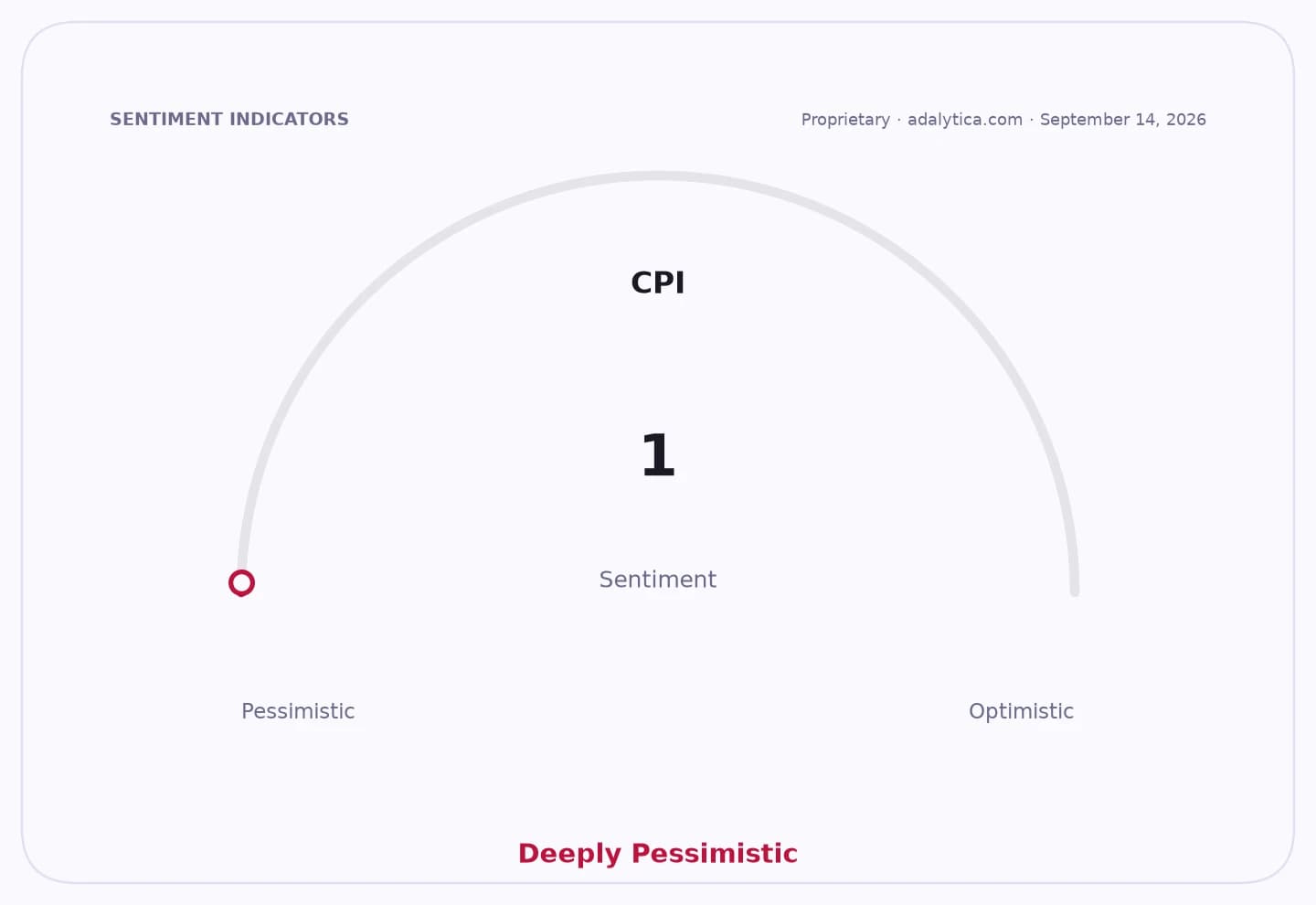
Groceries in the U.S. could get more expensive as higher diesel prices and rising technology costs squeeze the retail supply chain, raising the risk that consumer staples firms eventually pass more of the burden on to shoppers.
That matters because food retail runs on thin margins. Even modest increases in fuel, logistics and systems spending can ripple through trucking, warehousing and store operations before reaching shelf prices. In Maine, diesel has already surged past $6 a gallon, underscoring how quickly transportation inflation can bleed into grocery bills even as some chains advertise selective price cuts.
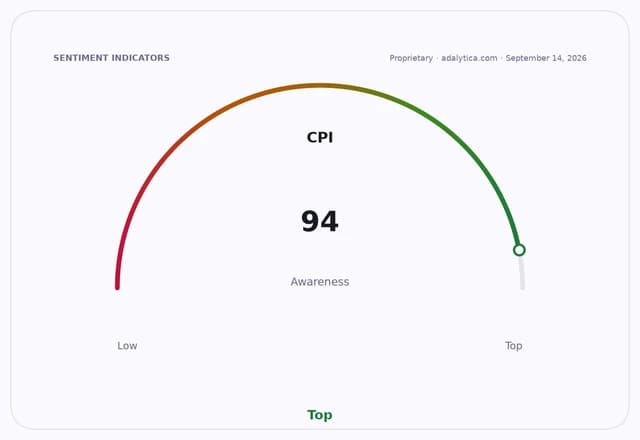
The bigger economic issue is that the latest pressure is not coming only from food ingredients. Retailers are also spending more on technology to automate inventory, pricing, checkout and delivery, and those investments are not always offset by efficiency gains fast enough to protect margins. In a sector where volume is high but profitability is low, the question is whether chains can absorb those costs or whether households will see another round of food inflation under the guise of “price gouging.”
Recent inflation data suggests the background remains fragile. U.S. consumer prices have risen to 334.1 in August from 332.8 in July, while producer prices climbed to 287.9, indicating cost pressures are still present upstream even if the pace is uneven. A forecast for September CPI points to only a slight dip, to 333.9, which would do little to ease the strain on retailers already facing higher freight and technology spending.
For investors, that creates a mixed read across the grocery and mass retail space. Costco and Walmart are still trading as defensive beneficiaries of consumer trade-down behavior, but the latest price action shows how quickly sentiment can turn when investors worry about margin compression. Costco shares have fallen to about $918.91 from above $1,090 in May, while Walmart has slipped back to around $109 after briefly trading above $130 earlier this year. Kroger, by contrast, has recovered to about $60.91 from July lows, reflecting some confidence that value-oriented grocers can defend traffic if pricing remains disciplined.
The tension is visible in company filings. Costco has warned that price investments can hurt gross margin if it holds prices steady rather than pass through cost increases. Walmart has similarly flagged operating conditions, shrink and margin pressure as ongoing risks. Kroger and other supermarket operators are responding by pushing promotions, digital tools and store efficiency, but those efforts can also add to technology spending before they generate savings.
The investor takeaway is that grocery inflation is increasingly a fight between costs and optics. Retailers want to avoid alienating price-sensitive customers, but they also cannot absorb unlimited increases in diesel, labor and software spending. If fuel stays elevated and technology outlays keep rising, the industry may need to choose between thinner margins and higher shelf prices. That is why the next CPI prints and upcoming retail commentary will matter: they will show whether this is a temporary squeeze or the start of a broader round of grocery price increases.
| Entity | Gains | Losses |
|---|---|---|
| Grocery chains with scale | ▲Better ability to absorb costs | ▼Margin pressure from fuel and tech spending |
| Consumers | ▲More promotions and selective discounts | ▼Higher shelf prices and food inflation |
| Costco/Walmart | ▲Defensive traffic in weak demand | ▼Valuation risk if margins compress |
| Smaller grocers | ▲Limited capital burden from tech upgrades | ▼Less ability to offset diesel and logistics costs |