U.S. healthcare costs rise as policy fight continues
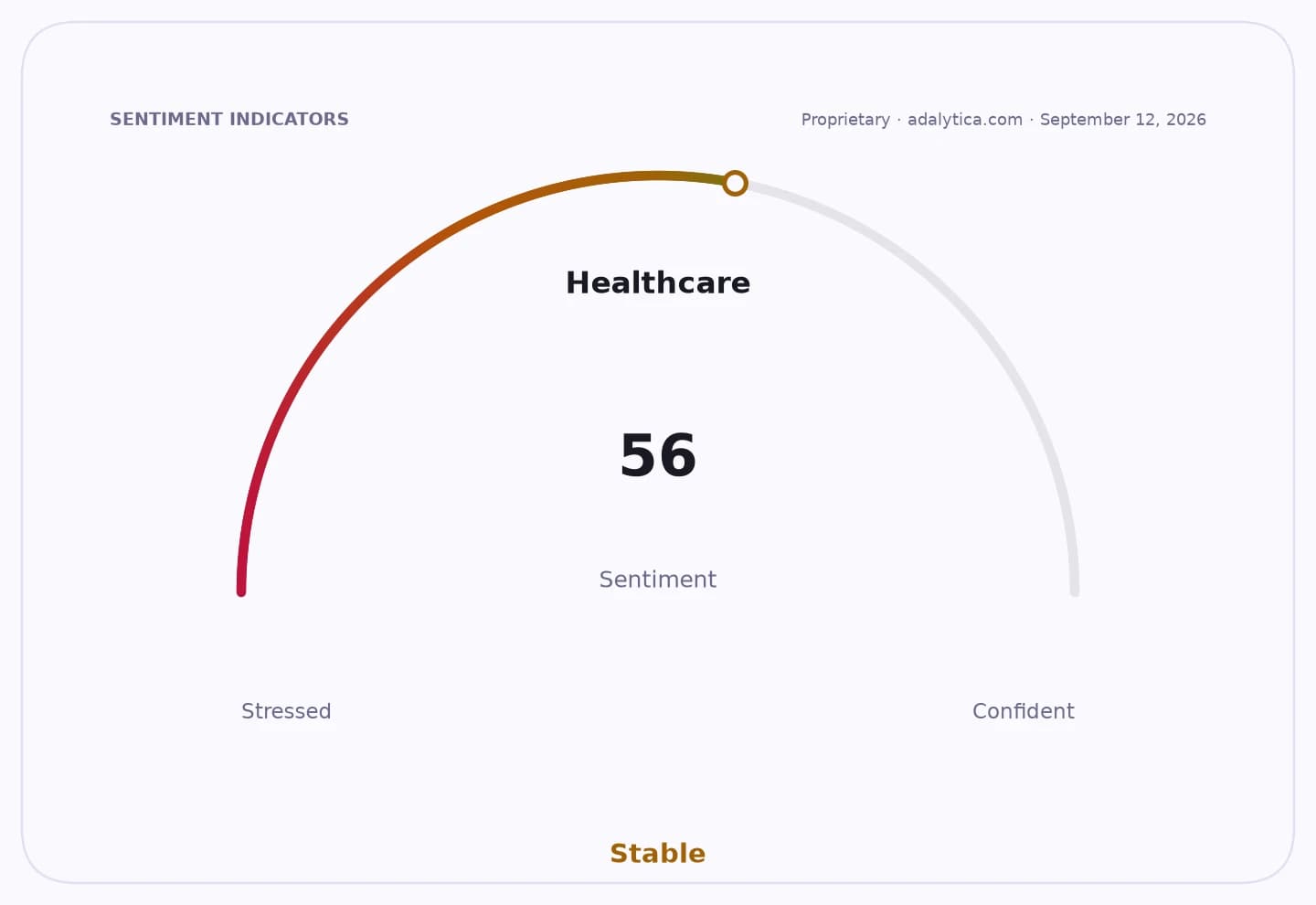
Americans are heading toward another expensive year in healthcare, and the policy response in Washington is still stuck in the same old divide: Democrats want more government help paying the bill, while Republicans want to give consumers more control over the dollars they already spend.
That matters because the cost pressure is not theoretical. Employer-sponsored healthcare, which covers about 60% of working Americans, is projected to rise nearly 10% in 2027. Insurers on Affordable Care Act exchanges are seeking average premium increases of roughly 15%. In a country where healthcare is already one of the biggest household expenses, those kinds of increases act like a tax on paychecks, budgets and business margins.
For investors, the immediate takeaway is that healthcare remains a sector where pricing power is both essential and politically fraught. Managed-care firms such as UnitedHealth Group and CVS Health have already seen their shares swing sharply as the market tries to sort out whether premiums, reimbursement rates and medical-cost trends can keep up with inflation. The Health Care Select Sector SPDR Fund, or XLV, has also been volatile, reflecting the tension between a defensive sector’s earnings resilience and the reality that policy risk never really goes away.
The stakes go beyond Wall Street. The shutdown fight over enhanced ACA subsidies last fall showed how quickly healthcare can become a fiscal and political flashpoint. When those subsidies expired, average premiums for roughly 22 million enrollees more than doubled. That kind of increase is exactly why healthcare affordability keeps returning to the center of the national debate, and why every election cycle seems to bring a fresh promise of reform without a lasting fix.
The policy gulf is wide. Democrats are again leaning toward a bigger public role, with Sen. Bernie Sanders reviving his push for Medicare for All, a single-payer model that would replace much of the current insurance system. Republicans, meanwhile, are pushing consumer-directed approaches such as expanded health savings accounts and proposals to send tax credits directly to patients instead of insurers. Both sides say they want affordability. Neither side has yet delivered a system that lowers costs fast enough to matter to households now.
That is the key investment lesson: healthcare spending keeps climbing because the underlying structure of the U.S. system still rewards complexity, fragmented pricing and rising utilization. For long-term investors, that means the sector should be viewed less as a quick trade and more as a battleground for durable cash flow, regulatory risk and selective opportunity. Insurers, pharmacy benefit managers and providers with scale can still compound over time, but only if they can manage medical-cost inflation and withstand periodic political backlash.
For now, the likely path is more debate, not less. With midterm elections approaching and affordability still front and center, healthcare policy will stay in the spotlight — and so will the companies and funds tied to it. Investors should keep the sector on the watchlist, but remain selective and patient. The winners will be those that can grow earnings even when Washington can’t agree on the fix.
| Entity | Gains | Losses |
|---|---|---|
| Patients with ACA subsidies | ▲More help if aid returns | ▼Higher premiums if it doesn’t |
| Employers | ▲Less if costs are capped | ▼More if premiums jump 10% |
| Insurers | ▲More if rates rise | ▼More scrutiny from lawmakers |
| Managed-care stocks | ▲Pricing power and scale | ▼Policy risk and margin pressure |