U.S. Homebuilders Slow as Unsold Homes Rise
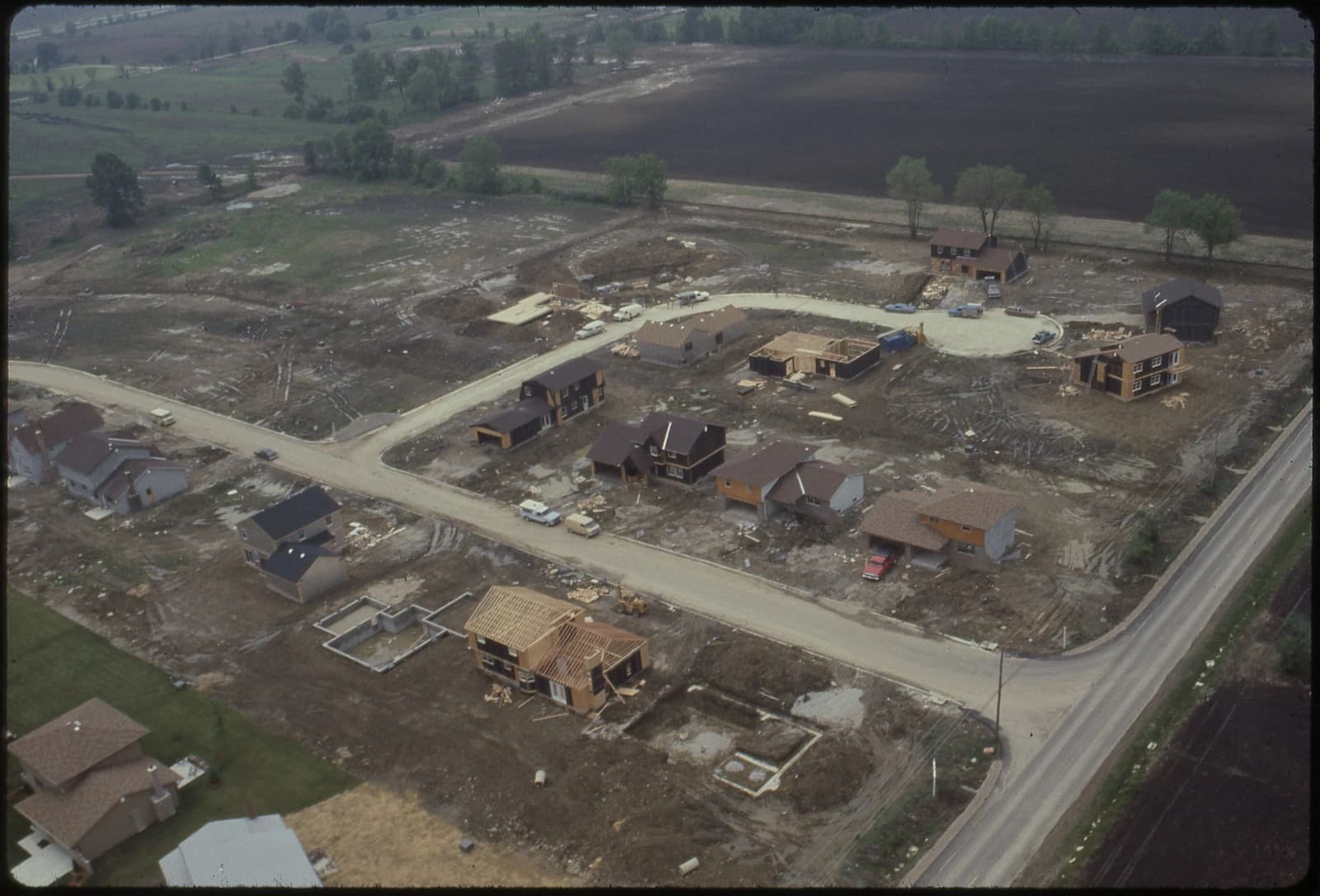
Home builders are hitting a late-cycle wall: production is slowing even as newly completed owner-occupied homes remain unsold, a sign that affordability and elevated inventory are forcing the sector to pull back.
That matters because housing is one of the economy’s biggest transmission channels. When builders stop starting homes, the drag quickly reaches land developers, lenders, materials suppliers, appliance makers and local labor markets. The latest forecast for U.S. housing starts points to just 1.1849 million in August, down 4.37% from July, reinforcing the view that the industry is not in a temporary pause but in a genuine soft patch.
The imbalance is getting harder to ignore. The broader housing market has been stuck with higher prices even as demand cools, and the data show why builders are cautious: the home price index remains near record highs at 336.663 in June, while the unemployment rate at 4.1% is not weak enough to force an imminent policy rescue. Buyers are still stretched, mortgage affordability remains poor and the inventory overhang is limiting pricing power. Builders can’t accelerate construction into a market where finished homes are sitting.
Investors are already voting with their feet. The iShares U.S. Home Construction ETF, ITB, has slipped to 91.05 from above 100 in July, while XHB has retreated to 100.75. Individual names are following the same script: D.R. Horton is down to 138.49 and Lennar-linked weakness is reflected across the group as margins and mix come under pressure. The technical backdrop is deteriorating too, with ITB and XHB both trading below their 50-day moving averages and near or below the lower end of their recent ranges, a sign that the market is not yet pricing in a near-term recovery.
Our thesis is that this is exactly where the opportunity begins to split from the crowd. The market often treats housing as a single trade, but the winners and losers are diverging fast. Homebuilders with the strongest balance sheets and the most disciplined land banks can survive a prolonged reset and take share when weaker competitors retrench. That favors scale and execution over pure volume. Meanwhile, the real asymmetric upside may sit one layer down in the supply chain: builders’ merchants, infrastructure-linked materials, and rental housing platforms that benefit when ownership affordability pushes households to rent.
The next catalyst is simple: if rates stay restrictive and unsold inventory keeps rising, builders will cut starts further, which eventually tightens supply and restores pricing power. If rates ease, the market gets a second leg of demand. Either way, the current setup argues for selectivity, not broad exposure. I believe investors should own the strongest homebuilders on weakness, but the better multi-year trade is in the picks-and-shovels of housing and the rental substitutes that gain when ownership remains out of reach.
| Entity | Gains | Losses |
|---|---|---|
| Strong homebuilders | ▲Share gains | ▼Volume growth |
| Weak homebuilders | ▲Less competition | ▼Margins and starts |
| Building materials suppliers | ▲Replacement demand | ▼Near-term orders |
| Renters and rental REITs | ▲More demand | ▼Homeownership uptake |