The United States’ decision to restore trade privileges to Hong Kong matters less as a symbolic concession than as a signal that the world’s two biggest economies are easing one of the more visible frictions in their relationship, with direct implications for capital flows, listings and investor confidence in Asia’s financial hub.
U.S.-Hong Kong Thaw Lifts Listings Outlook
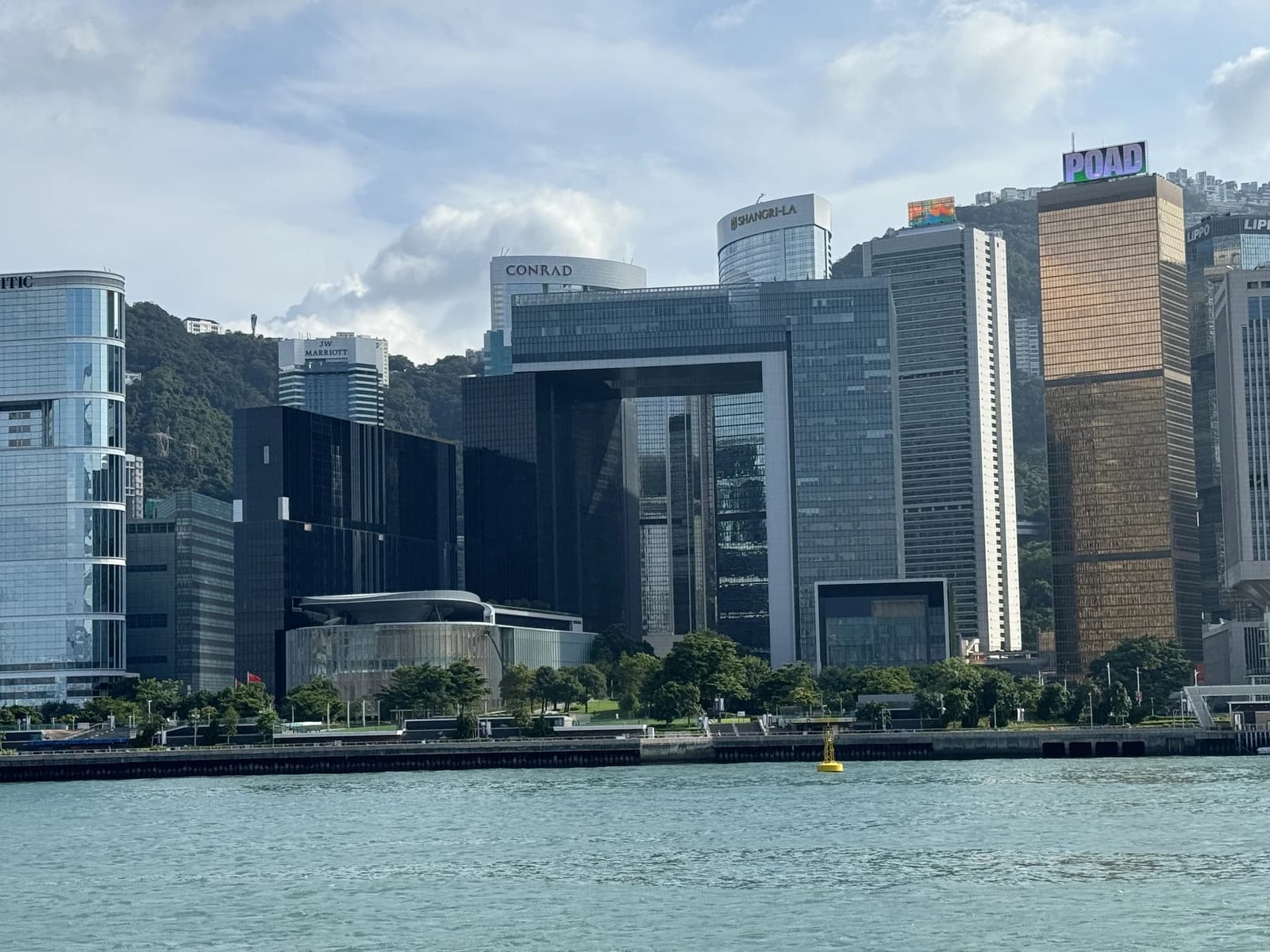
China’s public welcome for the move underscores how much weight both sides place on even limited policy de-escalation. Hong Kong has spent years absorbing the spillovers from worsening U.S.-China ties, from sanctions risk and tighter export controls to doubts over its role as a neutral gateway for international capital. Reinstating trade privileges does not resolve those structural issues, but it reduces one layer of policy uncertainty and gives investors reason to reassess Hong Kong’s position as a conduit for cross-border business.
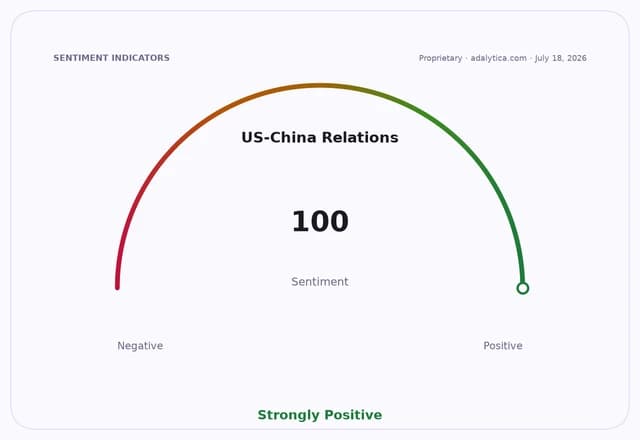
Sentiment IndicatorsⓘProprietary · adalytica.com · July 18, 2026
This is a snapshot — live sentiment, awareness and momentum for 130+ markets update continuously in the dashboard.Open AlphaPulse
That matters economically because Hong Kong’s appeal depends on confidence in its connectivity. The city is still a major market for foreign investment and a key fundraising venue for Chinese issuers. Any easing that supports trade, financing and corporate access to international investors can feed through to liquidity, deal flow and the health of the local bourse. The approval of Shein’s Hong Kong IPO, after multiple attempts, is an example of how a softer geopolitical backdrop can quickly translate into a more open market for listings.
The market response has been consistent with that thesis. Hong Kong stocks have been posting their strongest weekly gains in more than a year, helped not only by the trade news but also by optimism around China’s internet sector. For investors, the immediate question is whether this is a durable rerating or another tactical bounce driven by policy headlines. The answer will depend on whether Washington and Beijing keep turning down the temperature through concrete measures, rather than one-off gestures.
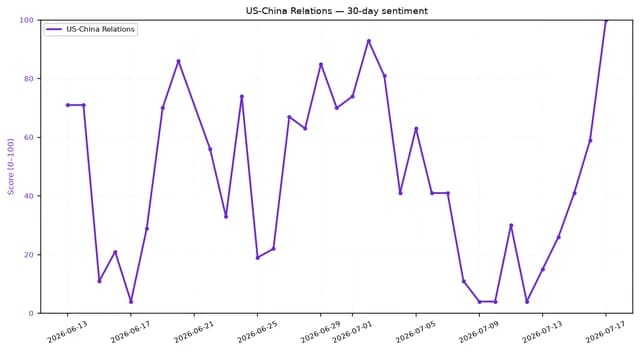
There is a bull case for Hong Kong assets. A more stable U.S.-China channel could revive appetite for mainland-related equities, reduce the discount applied to Hong Kong listings and improve sentiment toward sectors most exposed to cross-border capital. That would also support companies seeking offshore funding, especially in technology, consumer and internet names that have struggled with geopolitical overhangs.
The bear case is that the broader strategic rivalry remains intact. Trade privileges are only one piece of a much larger policy contest that still includes export controls, tech restrictions, sanctions risk and pressure on supply chains. If relations sour again, Hong Kong could quickly find itself caught between the two powers, with any benefit to markets fading as fast as it appeared.
For now, the restoration of privileges and China’s endorsement of the move suggest a modest but meaningful thaw. Investors should treat it as an incremental improvement in the operating backdrop for Hong Kong, not a reset of U.S.-China relations, but one that could still unlock more listings, more liquidity and a better tone toward Asia risk assets if the détente holds.
| Entity | Gains | Losses |
|---|---|---|
| Hong Kong markets | ▲Better sentiment, more listings | ▼Less policy uncertainty |
| Chinese issuers | ▲Easier access to capital | ▼Higher bar if tensions return |
| Global investors | ▲More deal flow opportunities | ▼Remaining geopolitical risk |
| U.S.-China hardliners | ▲— | ▼Easing leverage from pressure tactics |