U.S. households told to save based on income and costs
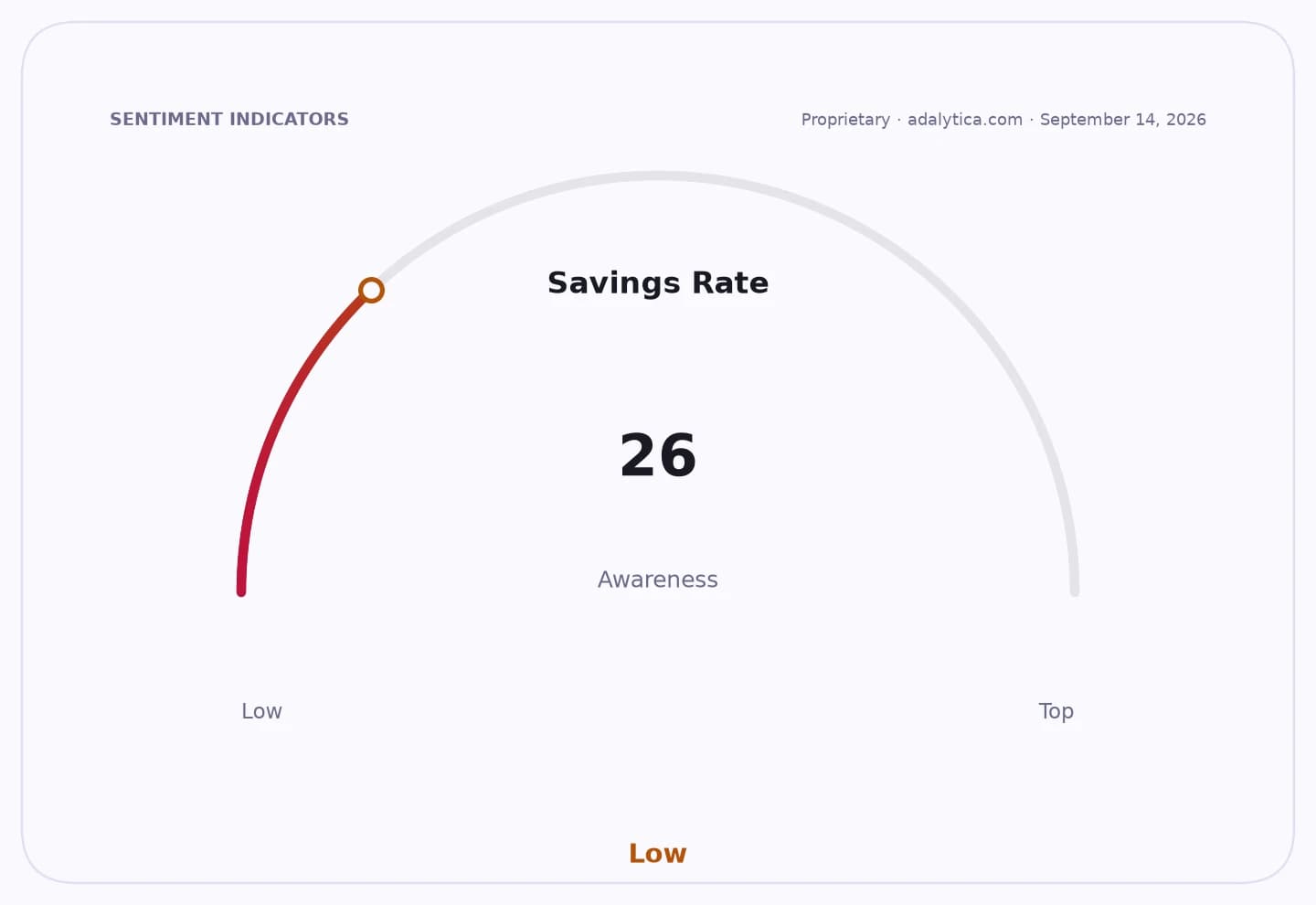
The old rule that you should save 20% of your income is a useful starting point, but the real answer is less about a magic number and more about what the economy allows households to keep after paying for essentials. Right now, that matters more than ever as unemployment sits near 4.1%, money supply is still expanding, and markets are telling a mixed story about risk, spending and long-term financial security.
For investors and households alike, the message is simple: saving is not just a personal finance habit, it is a buffer against economic shocks. When the labor market is relatively healthy, people can build emergency funds and invest for the long run. When costs rise faster than paychecks, savings rates get squeezed, and families are forced to choose between current consumption and future resilience.
That tradeoff is showing up in the data. The unemployment rate, forecast at 4.02% for September, remains low by historical standards, which usually supports household income and confidence. At the same time, M2 money supply is projected to rise to 23.4 trillion in August, a reminder that liquidity is still ample even if growth is cooling in places. For savers, that combination can be helpful, but it does not erase the pressure from everyday expenses.
The investor angle is just as important. The SPY, a proxy for the broad U.S. stock market, has climbed back to 764.29, above both its 50-day and 200-day moving averages. That suggests long-term wealth creation is still possible for patient investors who keep contributing regularly, even when the market wobbles. TLT, the long-term Treasury ETF, has slipped to 80.87 and remains below its 50-day and 200-day moving averages, underscoring that bonds have not been a painless refuge either.
That is why the best savings rule is often personalized, not universal. If you are early in your career and your bills are manageable, saving 20% or more is an excellent goal because compounding has time to work. If you are dealing with higher housing, transportation or utility costs, a smaller percentage may still be responsible if it keeps you consistent. The key is to save something every month, build an emergency reserve first, and then invest the rest in diversified assets you can hold for years.
This is also where consumer psychology matters. Adalytica’s consumer spending sentiment is at 100, while awareness remains in extreme fear, and the household savings rate sentiment also reads 100. In plain English, households may feel confident about spending, but many still worry about the future. That tension often leads to uneven saving behavior: people spend when they feel good, then scramble to rebuild savings when the bill comes due.
The practical takeaway for investors is not to chase a perfect percentage. Aim for a rate that is sustainable, raise it whenever income grows, and automate the process so saving happens before spending. Over a 3- to 10-year horizon, consistency usually matters more than perfection. If you can save 20% of income, great. If not, start lower and build toward it. The habit is what compounds, and that makes it worth watching, and worth doing.
| Entity | Gains | Losses |
|---|---|---|
| Savers and investors | ▲Bigger emergency funds | ▼Less current spending |
| Broad equity markets | ▲Steady monthly inflows | ▼Short-term cash hoarding |
| Households with tight budgets | ▲Flexible saving targets | ▼Pressure from rising bills |
| Long-duration bonds (TLT) | ▲Lower competition for cash | ▼Weak safe-haven demand |