U.S. housing rent pressure keeps shelter inflation high
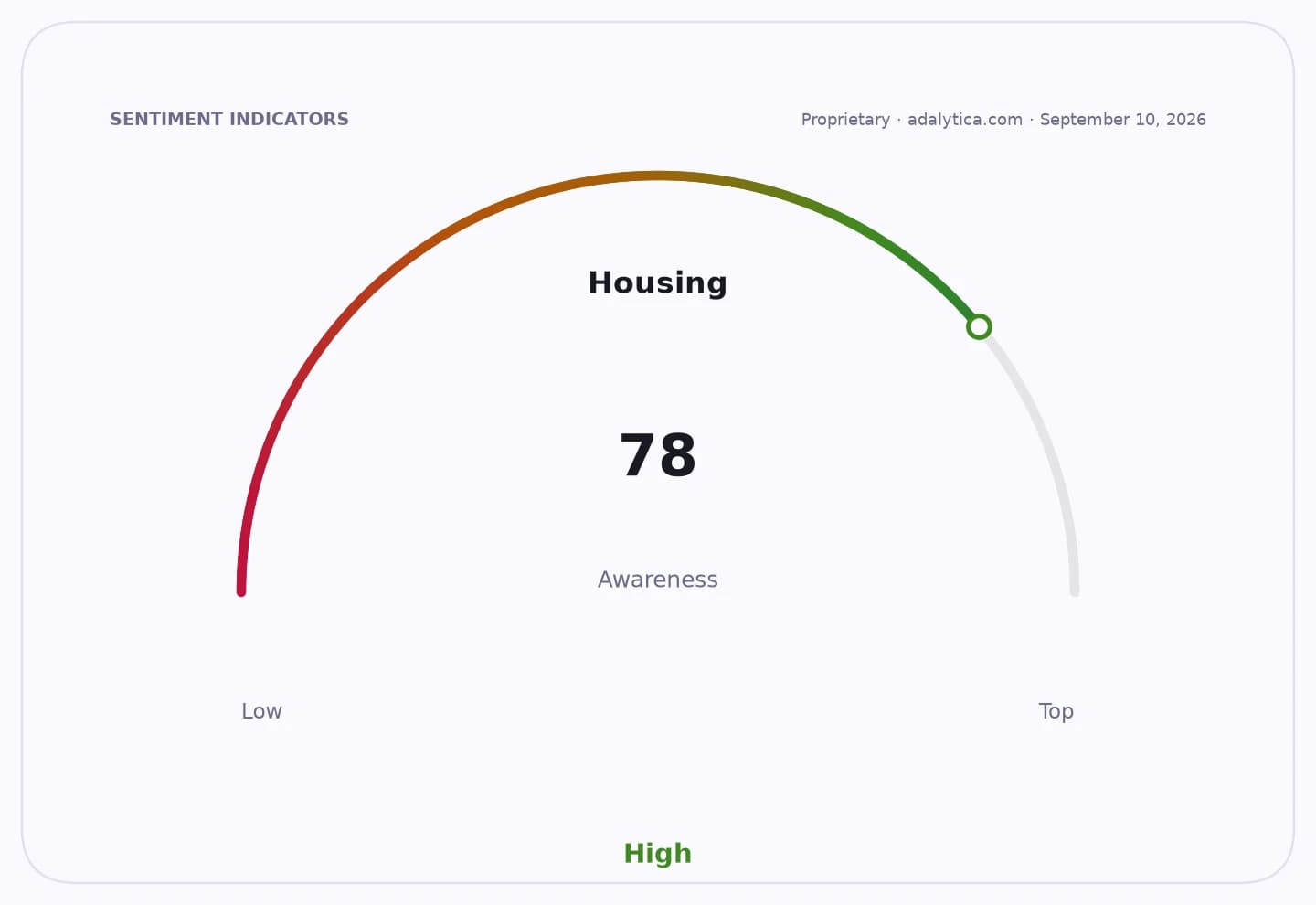
U.S. housing remains a source of inflation pressure because rents are still rising faster than the free market in a meaningful share of cities, keeping shelter costs elevated even as the broader labor market cools modestly.
The most important takeaway from the latest rent data is that the gap between asking rents and agreed rents remains wide enough to keep leverage with landlords in two out of five cities, suggesting demand is still firm enough in those markets to absorb higher prices. That matters because shelter is the largest component of consumer inflation and one of the slowest to normalize, so even incremental rent strength can delay a broader decline in inflation readings.
At the national level, rent and housing indicators are mixed but not benign for renters. New home construction, measured by the housing starts series, has softened sharply from recent peaks and was forecast to slip again to 1,184.9 in August from 1,239 in July, a sign that supply relief may not arrive quickly. Meanwhile, the Case-Shiller home price index held near record territory at 336.663 in June, up from 331.605 in May, underscoring how expensive ownership remains and how many households are forced back into the rental market.
That dynamic helps explain why apartment owners continue to have pricing power in selected markets. Publicly traded single-family rental landlords American Homes 4 Rent and Invitation Homes have both been able to keep revenue growth tied to lease renewals and market rents, even as share prices have weakened recently. AMH traded at 32.24 on Sept. 9, below its 50-day moving average of 33.71, while INVH was at 28.18 versus a 50-day average of 29.8, showing investors have become more cautious even as fundamentals remain supported.
The macro backdrop is not uniformly favorable for the sector. The unemployment rate was 4.1% in August, close to a level that still supports household formation but not enough to remove affordability pressure. Adalytica’s Housing and Rent Inflation sentiment gauge stood at 59, which is neutral, though its 30-day change was negative, suggesting expectations for rent inflation have moderated even if actual pricing remains sticky.
For investors, the story is less about a broad housing boom than a market splitting into winners and losers. Landlords with supply-constrained portfolios, especially in stronger Sun Belt and Western markets, can still push through increases at lease renewal. Renters and would-be homebuyers, by contrast, face persistent affordability strain as elevated home prices and limited new supply keep many households in the rental pool.
The key question now is whether softer construction and slower labor-market momentum eventually narrow the rent premium enough to cool shelter inflation more decisively. Until then, the fact that agreed rents exceed free-market rent in two out of five cities suggests the rental market is still tighter than it looks — and still economically important enough to shape the inflation outlook.
| Entity | Gains | Losses |
|---|---|---|
| Landlords | ▲Higher renewal pricing | ▼Tenant affordability backlash |
| Renters | ▲Some market-specific relief | ▼Persistent shelter inflation |
| AMH and INVH | ▲Lease-up and rent growth | ▼Valuation pressure |
| Fed/inflation fighters | ▲Slower rent disinflation data | ▼Longer path to 2% inflation |