US Inflation July CPI Points to Fed Pause
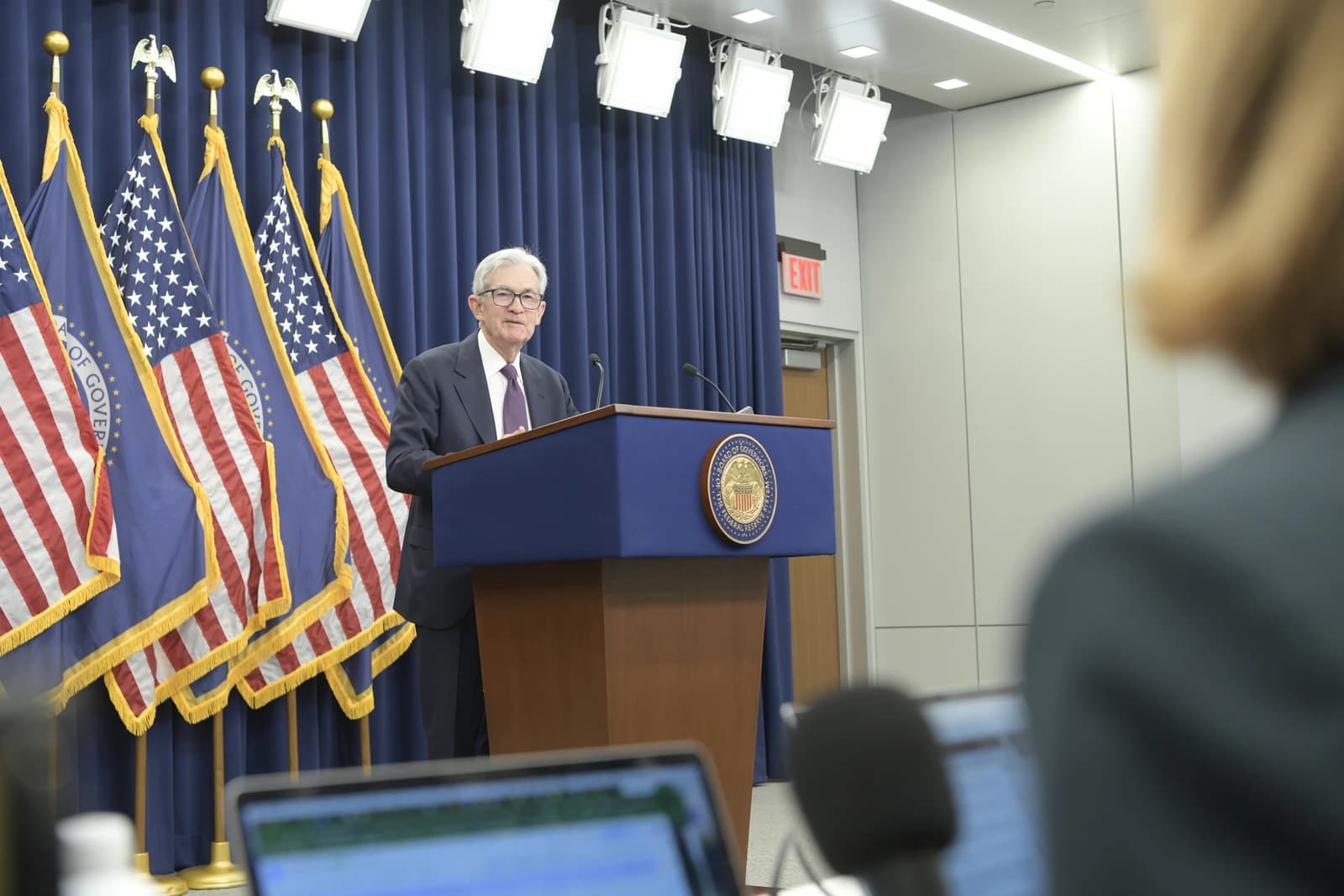
US inflation cooled in July, strengthening the case for the Federal Reserve to keep rates unchanged at its September meeting rather than risk tightening into a slower-disinflation trend.
The Consumer Price Index data point to an economy where price pressures are still above the Fed’s 2% target, but no longer accelerating fast enough to justify another immediate hike. That matters because the central bank is now trying to balance two risks at once: re-igniting inflation if it eases too soon, or overshooting if it keeps policy restrictive after demand and pricing power are already fading.
CPI data showed inflation at 3.4% in July, a step down from the earlier surge that forced the Fed into its most aggressive tightening cycle in decades. The latest reading, along with expectations for only a modest 0.35% rise in August CPI in the data context, suggests the disinflation process is continuing, even if unevenly. Fed funds are currently around 3.63%, while the 10-year Treasury yield is near 4.65%, leaving borrowing costs materially elevated across the curve.
Markets have already started to price that shift. Treasury bonds have drawn support as investors position for a less hawkish Fed, while bond-tracking TLT has struggled to hold recent gains, reflecting a market caught between hopes for a pause and concern that yields may stay high longer. The latest readings also fit with the broader message from corporate filings: banks such as Wells Fargo and Bank of America are still describing deposit pricing as rate-sensitive and net interest margins as under pressure from lower rates, while homebuilders continue to cite mortgage rates in the mid-to-upper 6% range as a drag on affordability and demand.
The Fed’s decision now turns less on whether inflation is falling and more on whether it is falling fast enough to remove the need for additional restraint. A hold in September would give policymakers more time to test whether softer inflation can coexist with a cooling labor market and weaker capital spending. A hike would risk tightening financial conditions further just as households, companies and banks are already adjusting to the lagged effects of past increases.
For investors, the implication is straightforward: the burden of proof has shifted toward the hawks. Unless the next batch of inflation or labor data re-accelerates, the September meeting now looks more like a pause than a pivot back to hikes, with duration-sensitive assets, rate-sensitive financials and housing-exposed stocks likely to remain the key trading battlegrounds.
| Entity | Gains | Losses |
|---|---|---|
| Treasury bonds / TLT | ▲Lower-rate expectations | ▼Another Fed hike |
| Homebuilders / housing buyers | ▲Mortgage relief hopes | ▼Persistently high borrowing costs |
| Banks / XLF | ▲Stable lending spreads | ▼Faster rate cuts squeezing margins |
| Fed doves | ▲Case for holding steady | ▼Pressure to keep tightening |