US weekly jobless claims rise to 209,000
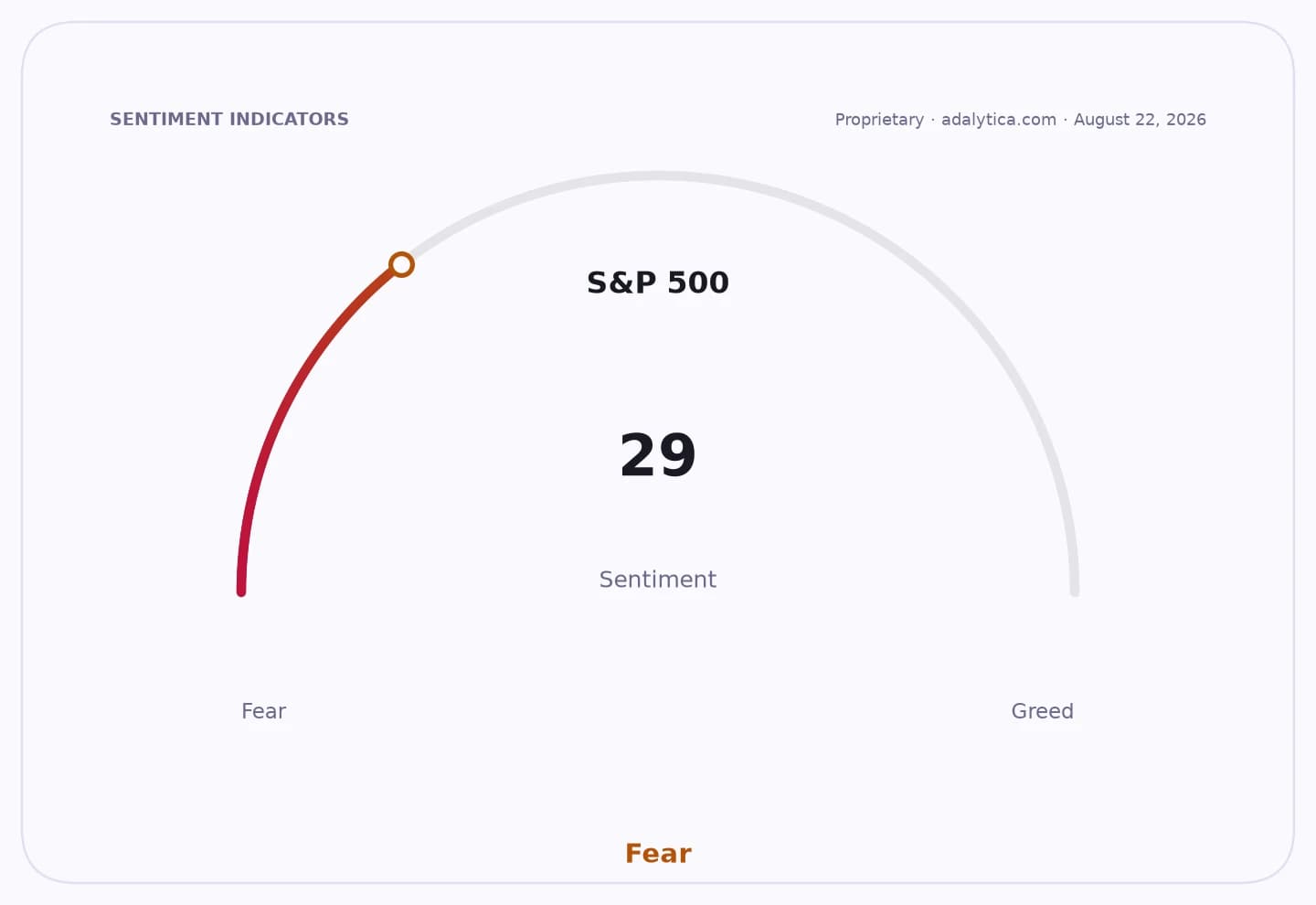
Weekly US unemployment claims rose to 209,000, a modest increase that still leaves layoffs running at levels consistent with a historically tight labor market and gives the Federal Reserve little fresh evidence of a sharp downturn.
The latest reading points to a job market that is cooling only gradually rather than rolling over, even as investors continue to debate how long the economy can absorb higher borrowing costs. Claims around 209,000 remain close to the lower end of the range seen over the past several years, far below the peaks reached during the pandemic and well under levels that would typically signal broad-based labor stress.
That matters because claims are one of the timeliest gauges of US employment conditions. A sustained move higher would suggest businesses are pulling back on hiring or starting to shed workers, which would eventually weigh on consumer spending, wage growth and corporate revenues. For now, the data is more consistent with normalization after an exceptionally tight labor market than with a cyclical deterioration.
The broader labor backdrop reinforces that view. The unemployment rate is projected at 4.09%, edging down from 4.1% in July, while the rate remains near historical lows by post-crisis standards. That combination — a small rise in claims, a still-low unemployment rate and no sign of a sudden surge in layoffs — suggests employers are slowing labor demand without yet resorting to mass cuts.
For markets, that is a mixed message. Treasury investors have been forced to balance the risk of weaker growth against the possibility that the economy remains resilient enough to keep interest rates elevated for longer. On Adalytica’s TLT signal, US Treasury bonds are showing “Extreme Fear,” underscoring how sensitive bond traders remain to the prospect that labor-market softness may not be enough, by itself, to bring a rapid policy pivot.
Equities face a similar trade-off. A stable jobs market supports earnings and consumer demand, but it also reduces the odds of imminent Fed easing. On Adalytica’s S&P 500 signal, sentiment sits in “Fear” even as awareness remains in “Greed,” reflecting a market that is still positioned for policy and growth uncertainty rather than a clean risk-on backdrop.
The next test will be whether claims continue to drift higher or settle back toward recent levels. A gradual rise would fit a soft-landing narrative and keep the Fed in wait-and-see mode. A faster move above the recent range would raise the odds that the labor market is weakening more broadly, forcing investors to reprice growth, rates and corporate earnings at the same time.
| Entity | Gains | Losses |
|---|---|---|
| Job seekers | ▲Easier hiring conditions | ▼Less wage leverage |
| Federal Reserve | ▲More time to assess inflation | ▼Less room to cut quickly |
| Treasury bulls | ▲Safe-haven demand if claims rise | ▼Bond yields stay higher if labor holds up |
| Equities | ▲Economic resilience supports earnings | ▼Rate cuts delayed by labor stability |