U.S. labor market cools but stays resilient
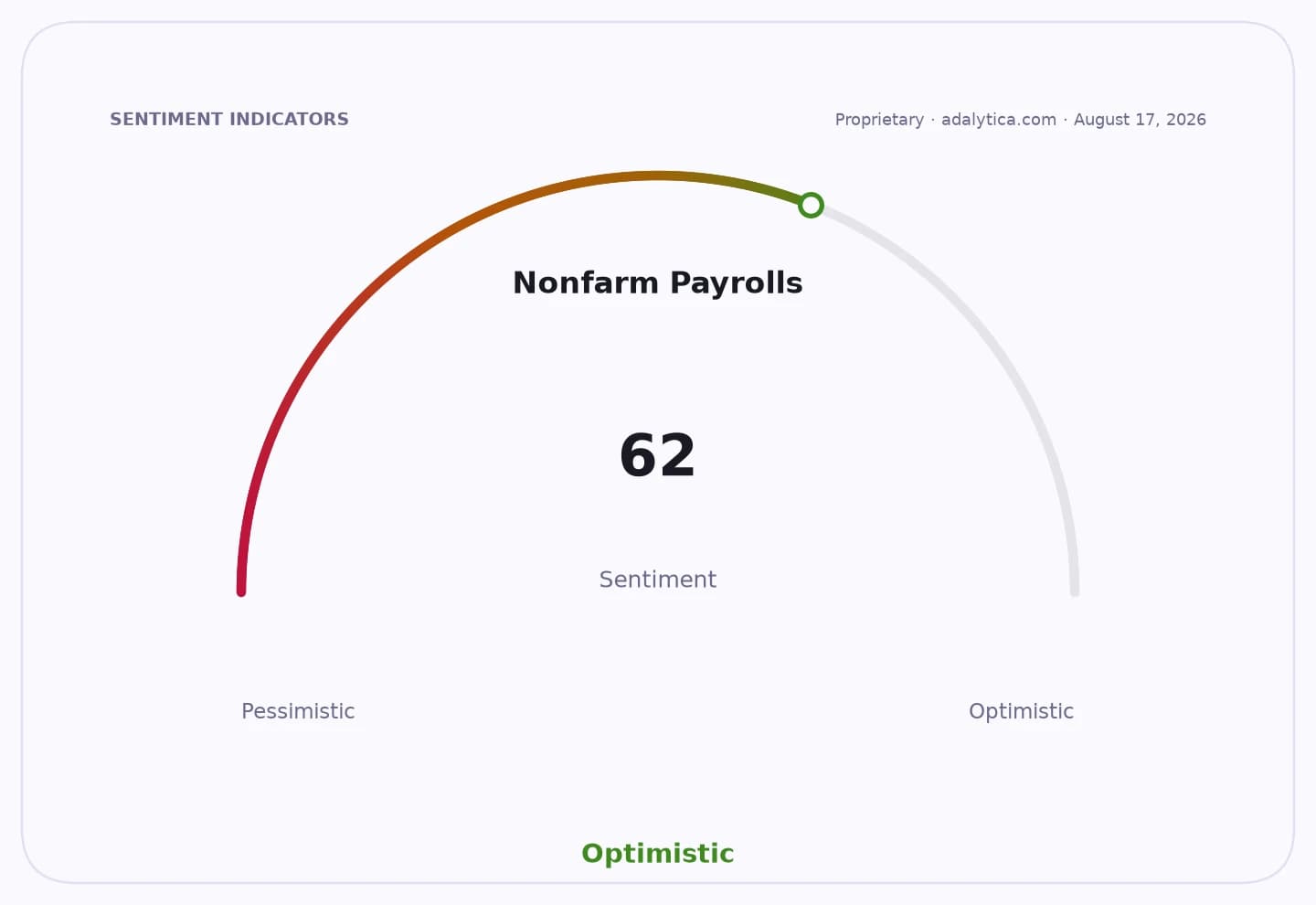
The U.S. labor market is losing some of the heat that gave job hunters unusual leverage over employers, even as recruiters and “scouts” remain active in a still-resilient but less frantic hiring environment.
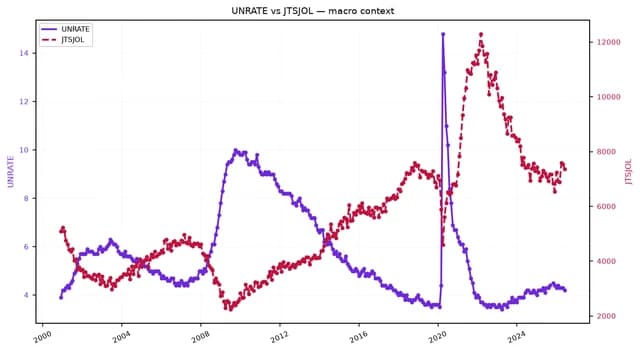
That matters economically because the latest readings point to a labor market that is cooling rather than cracking: the unemployment rate is forecast at 4.09% for August, down only slightly from 4.1% in July, while job openings are expected to rise to 7.7 million from 7.359 million in June. Nonfarm payrolls, meanwhile, are seen holding roughly flat at 158.96 million, underscoring a market that is no longer adding jobs at the pace seen during the post-pandemic rebound, but is not yet showing the kind of deterioration that typically forces the Federal Reserve to cut rates aggressively.
For investors, that combination is important because it preserves the narrow path the Fed has been trying to walk. A softer labor market reduces wage-pressure risks and supports the case for eventual easing, but stable payrolls and a modest rebound in openings suggest the slowdown is orderly. That is a mixed setup for equities: it favors rate-sensitive assets if disinflation continues, but it also limits the odds of a rapid policy pivot. In credit, it argues against a near-term surge in default risk. In cyclicals, it suggests businesses are still hiring selectively, not freezing labor demand outright.
The scouting angle fits that broader picture. Companies are still evaluating individual candidates more carefully, and the recruiting industry has been adapting to a market where application volumes are high but conversion is harder. Robert Half Management and Korn Ferry both point to a recruiting environment shaped by more complex candidate screening and the growing use of AI tools by job seekers. That can boost the value of intermediaries that help employers sift through a larger pool, but it also pressures fee growth if employers remain cautious and hiring cycles stay uneven.

The market reaction in staffing stocks reflects that tension. ManpowerGroup has seen its shares swing sharply this summer, while Robert Half and Korn Ferry have also been volatile, suggesting investors are trying to balance stable employment against weaker hiring momentum and margin pressure. The 50-day and 200-day moving averages for some of these names have only recently turned supportive, but the moves have been driven more by sentiment around labor demand than by a clear acceleration in fundamentals.
There is also a bigger structural story beneath the numbers. The post-pandemic labor market no longer gives workers the same bargaining power it did when openings were above 11 million and quits were elevated, but it has not reverted to the slack conditions of a recession. Employers are scouting, yet they are doing so more selectively. For investors, that usually means staffing and recruiting firms can still grow if they are tied to high-skill or specialized placements, but broad-based labor brokers remain exposed to any further slowing in hiring.
What to watch next is whether the expected July-to-August stability in payrolls and jobless claims extends into the fall. If openings keep drifting higher while unemployment stays near 4%, the labor market may look merely normalizing. If openings fade again, recruiters and staffing firms could face another leg down in demand, and the Fed would have more room to ease.
| Entity | Gains | Losses |
|---|---|---|
| Job seekers | ▲More openings to choose from | ▼Less bargaining power |
| Employers | ▲Better candidate selection | ▼Slower hiring momentum |
| Staffing firms | ▲More screening demand | ▼Lower placement volumes |
| Fed / rate-sensitive assets | ▲Softer wage pressure | ▼Less urgency for cuts |