U.S. Labor Market Keeps Fed Cautious on AI
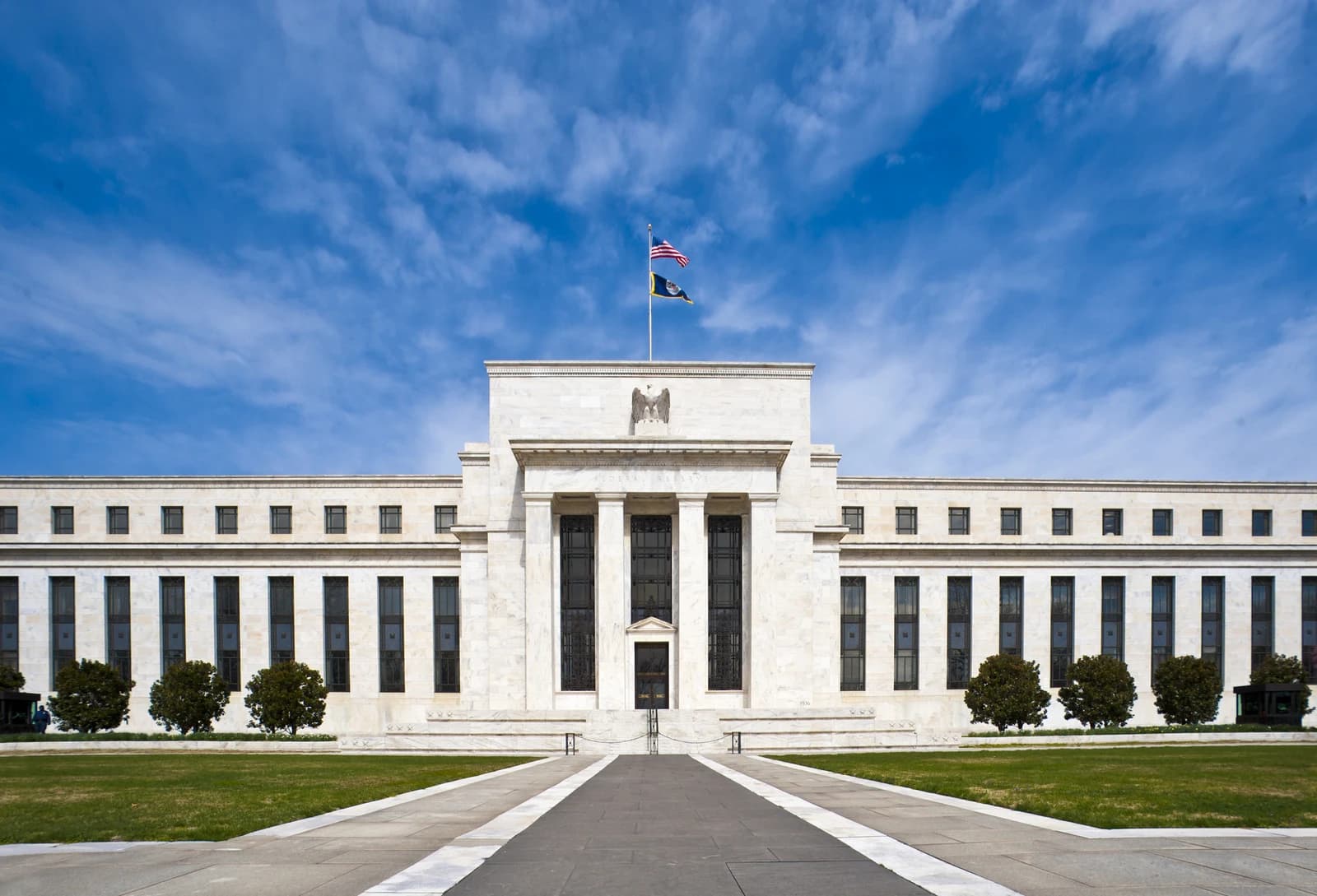
The U.S. labor market is still doing enough to keep policymakers from cutting rates, and that may be the single most important investment takeaway from this AI era: the technology is reshaping work, but it hasn't yet damaged payrolls enough to force the Federal Reserve back into rescue mode.
Unemployment is still projected at 4.02% for September, only a hair below August's 4.1%, while nonfarm payrolls are expected to edge up to 159.09 million from 159.08 million. That is not the picture of a labor market in distress. For investors, it means the economy can stay firmer for longer than many hoped, which keeps inflation pressure, bond yields and the Fed's policy bias relevant for a little while longer.
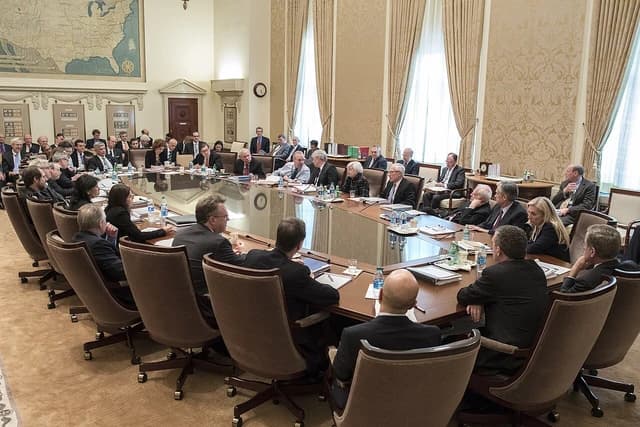
That matters because the market's most important macro question is no longer whether AI will create productivity gains over the next decade. It's whether AI starts showing up in the monthly data soon enough to change the Fed's reaction function. So far, the answer looks like no. Even with headlines about automation, corporate restructuring and slower hiring at the entry level, the broad labor market has held up. The jobless rate remains near a historically healthy level, and payrolls are still expanding, not contracting.
The tension is easy to see. AI is creating winners and losers at the same time. Recent analysis suggests roughly 250,000 jobs are being created even as as many as 92 million positions could eventually be displaced globally. That kind of churn usually shows up first in white-collar entry-level roles, young workers and AI-exposed occupations in big cities. But the aggregate U.S. labor market has not cracked yet, which helps explain why the Fed still has room to worry about persistence in wages and demand rather than rushing to ease.
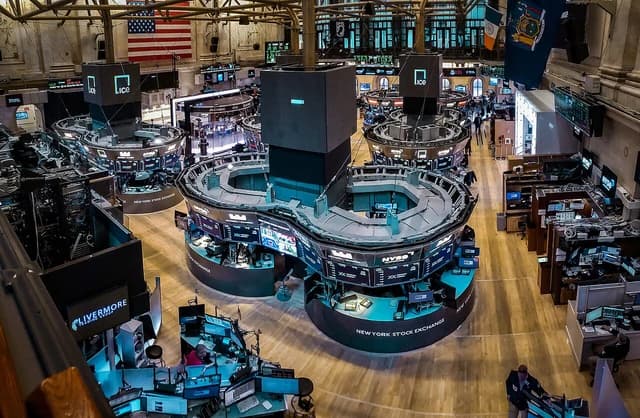
That is also why rate hikes can come back onto the agenda. When unemployment stays low and employment keeps climbing, the central bank has less reason to assume slack is building quickly enough to tame inflation on its own. In other words, AI may be a long-term deflationary force, but in the near term it can also keep the economy strong enough to delay the relief investors have been pricing in.
The market is already reflecting that tug-of-war. The Financial Select Sector SPDR Fund, or XLF, has climbed back above both its 50-day and 200-day moving averages, with the broader financials trade improving as growth and rates expectations stabilize. The Invesco QQQ Trust, heavily weighted toward the AI leaders, remains well above its 200-day moving average too, underscoring how the market still prefers the companies building the technology to the workers most exposed to it. Small caps, as measured by the iShares Russell 2000 ETF, are weaker, a reminder that the parts of the economy most dependent on easy credit and steady hiring remain more vulnerable.
For long-term investors, the deeper lesson is not to trade every labor-market wobble. It's to recognize that AI's first-order effect on profits may come before its full effect on unemployment. That gives software, cloud and semiconductor leaders a powerful runway, but it also means the Fed may stay tighter for longer than the consensus wants. Patience matters here. The companies best positioned for AI adoption and productivity gains can compound for years, but the path will be uneven if rates stay restrictive.
So yes, AI is changing the labor market. But until it actually bites into payrolls, the Fed still has cover to lean cautious, and investors should plan for a world where labor stays resilient, rates stay relevant and the AI boom keeps running into macro reality. Worth watching, and worth holding for the long term.
| Entity | Gains | Losses |
|---|---|---|
| Fed | ▲More room to stay cautious | ▼Pressure to cut quickly |
| Employers | ▲Stronger demand and hiring flexibility | ▼Wage gains that stay sticky |
| AI leaders | ▲Longer runway for investment-led growth | ▼Faster policy easing |
| Small caps / rate-sensitive stocks | ▲Relief if hiring cools | ▼Higher-for-longer rates |