U.S. Manufacturers Face Tariff and AI Cost Pressures

American manufacturers are being hit by a fresh round of supply-chain inflation, and this time the pressure is coming from tariffs, geopolitical friction and the AI hardware boom all at once.
That combination matters because it is not just squeezing margins at the factory gate — it is pushing up prices across the broader economy, complicating the Federal Reserve’s job and raising the odds that inflation proves stickier than markets had hoped. The result is a less forgiving backdrop for industrials, a more complicated rate path for bonds and a clear advantage for companies that control scarce inputs, logistics or power.
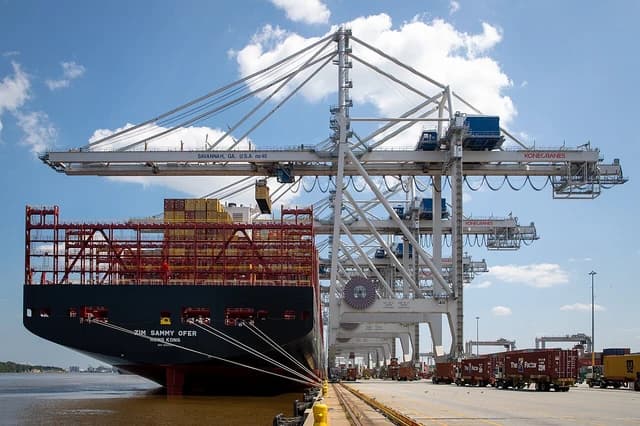
Executives across manufacturing say raw materials, energy and freight costs are climbing sharply, with many reporting input-price increases of more than 10%. The Financial Times cited one manufacturer saying firms now need to spend much more just to maintain the same output, forcing higher selling prices. That is the classic inflation transmission channel: higher costs feed into finished goods, which eventually hits consumers.
The data back that up. The Institute for Supply Management said all sectors in its survey reported higher raw-material prices, with fuel and metals posting the biggest gains. Its production-price gauge has risen for 23 straight months. Industrial production is still expanding, but the cost structure underneath it is getting harsher, not easier. August finished-goods prices rose 6.6%, while manufactured goods input costs climbed 11.5% and non-manufactured goods 12.8%. Diesel prices are at record levels, and transportation costs are up 16% from a year earlier.
This is where the story becomes investable. The market has often treated tariff inflation as a one-off tax on imports. In reality, it is now colliding with the AI buildout, which is pulling enormous amounts of electronics, chips, components and energy into a supply chain that was already tight. The FT noted that nearly two-thirds of global electronics manufacturers are struggling with limited availability of key components, and lead times are lengthening as AI-related demand overwhelms supply. That is a powerful second-order tailwind for the picks-and-shovels names — from industrial automation and electrical equipment to logistics, power generation, data-center infrastructure and specialty materials.
There is also a macro spillover investors cannot ignore. The U.S. 10-year Treasury yield touched 5% for the first time in 2023, underscoring how persistent supply-side inflation can reprice bonds and pressure valuations. When manufacturers are forced to lift prices and delay capital spending because they cannot see tariff policy or geopolitics clearly, the economy gets less efficient, not more productive. That is stagflationary at the margin: slower real growth, stickier prices and higher financing costs.
The most attractive opportunity, in my view, is not in the companies suffering the squeeze — it is in the bottlenecks they cannot escape. Suppliers of industrial power, grid gear, logistics software, metal processing and semiconductor manufacturing equipment should continue to see pricing power as customers scramble to secure capacity. By contrast, import-heavy manufacturers with thin margins and weak pricing power are the most exposed to the next leg of cost inflation.
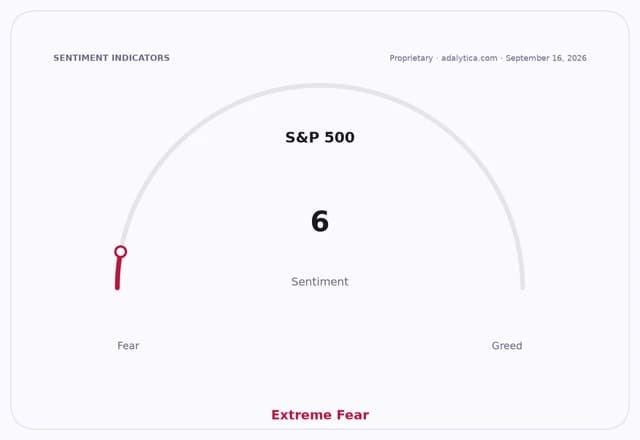
Adalytica’s trade signals underscore the market tension: the S&P 500 sentiment reading is deep in “Extreme Fear,” while the dollar shows “Greed,” a combination that often shows investors are crowding into defensive liquidity even as inflation risk remains unresolved. That is exactly the kind of backdrop that can create mispriced winners in the industrial supply chain.
The bottom line: the new inflation wave is not a temporary nuisance — it is a structural opportunity for infrastructure, automation and power beneficiaries, and a margin trap for manufacturers that still depend on fragile global supply chains. If you want exposure before consensus catches up, focus on the toll roads of the AI and tariff era, not the parts of the economy paying the toll.
| Entity | Gains | Losses |
|---|---|---|
| Industrial suppliers | ▲Higher pricing power | ▼Margin pressure from buyers |
| AI hardware makers | ▲Demand surge | ▼Longer lead times |
| U.S. manufacturers | ▲Some can raise prices | ▼Higher input and freight costs |
| Treasuries / rate-sensitive assets | ▲— | ▼Higher yield pressure |