US mortgage rates rise with 10-year Treasury yield

US mortgage rates are climbing again because the bond market is doing the Federal Reserve’s tightening for it, and that matters for anyone trying to buy a home, refinance a loan or value housing-linked stocks. The benchmark 10-year Treasury yield has jumped to 5.02%, its highest level since 2007, and that is feeding directly into the fixed-rate mortgages that borrowers actually pay.
For investors, this is bigger than a bad week for homebuyers. Higher long-term rates raise the cost of capital across the economy, slow housing activity and squeeze everything from mortgage originators to homebuilders and home-improvement retailers. They also keep pressure on interest-rate-sensitive assets like Treasury bond funds, where the direction has turned sharply weaker.

The immediate driver is a market that increasingly expects the Fed to keep policy restrictive, or even tighten further, as inflation remains sticky and geopolitical shocks push energy prices higher. Traders are pricing in the chance that the central bank will need to respond to renewed inflation pressure from the Middle East conflict, which has added another layer of uncertainty to an already fragile rate backdrop.
That is why the mortgage market is moving before the Fed even speaks. Lenders do not wait for policymakers to change rates when the longer end of the yield curve has already done the work. In the UK, major banks have already raised fixed mortgage rates ahead of a Bank of England decision, a reminder that global borrowing costs often move in lockstep when sovereign yields rise. In the US, the same mechanism is at work, only at a much larger scale.
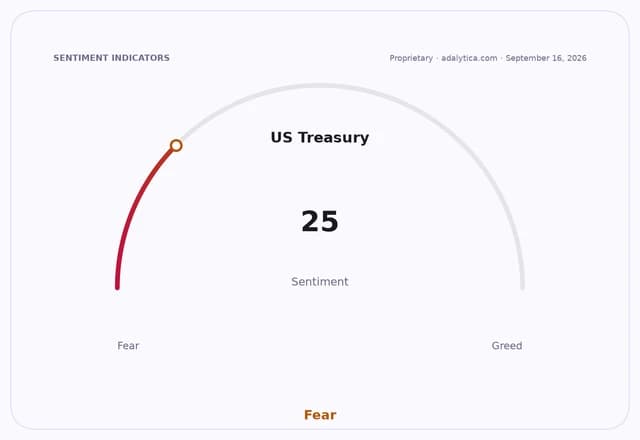
The housing impact is obvious. Higher mortgage rates weaken affordability, especially for first-time buyers who are already stretched by high home prices. They also make refinancing less attractive, which is a problem for households hoping to lock in lower monthly payments before the next move higher. The longer rates stay elevated, the more likely it is that housing demand cools further and transaction volumes stay subdued.
That is not good news for companies tied to the mortgage cycle. Rocket Companies, United Wholesale Mortgage and Zillow Home Loans all operate in an environment where higher rates tend to curb origination volume and reduce deal flow. Homebuilders, lenders and brokers can survive volatile rate swings, but they usually do better when borrowing costs are falling, not rising. The latest jump in the 10-year yield pushes that relief further away.
Bond investors are feeling the pain too. The iShares 20+ Year Treasury Bond ETF, better known as TLT, has slid to about 80.71, with its 50-day moving average now above the price and its RSI reading down to 14.3, a sign of heavy selling pressure in conventional technical terms. The move in Treasury futures has been similarly weak, with the nearby long-bond contract sinking to 106.69. That is another way of saying investors are demanding more yield to hold long-duration debt.
There is also a broader balance-sheet story here. When yields rise this fast, governments face a more expensive refinancing environment, and that is especially sensitive for the US, where public debt is already at record levels. The higher rates go, the more fiscal strain matters — not just for Washington, but for heavily indebted economies elsewhere as well.
The key question now is whether this is a temporary panic or the start of a more durable repricing of the rate cycle. If inflation stays stubborn and oil remains elevated, mortgage rates could keep rising even without another Fed hike. For long-term investors, that means staying selective: bond exposure is still under pressure, housing-linked names face a tougher operating backdrop, and the best opportunities may come later, after the market has forced valuations lower. For now, this is a moment to watch, not chase.
| Entity | Gains | Losses |
|---|---|---|
| Savers / new bond buyers | ▲Higher yields | ▼Existing bondholders |
| Mortgage lenders | ▲Wider pricing power | ▼Homebuyers and refinancers |
| Treasury bear market | ▲Short-duration cash holders | ▼TLT and long-duration funds |
| Homebuilders / housing stocks | ▲None immediate | ▼Demand-sensitive sellers |