U.S. Mortgage Rates Hold Just Below 6.5% This Week
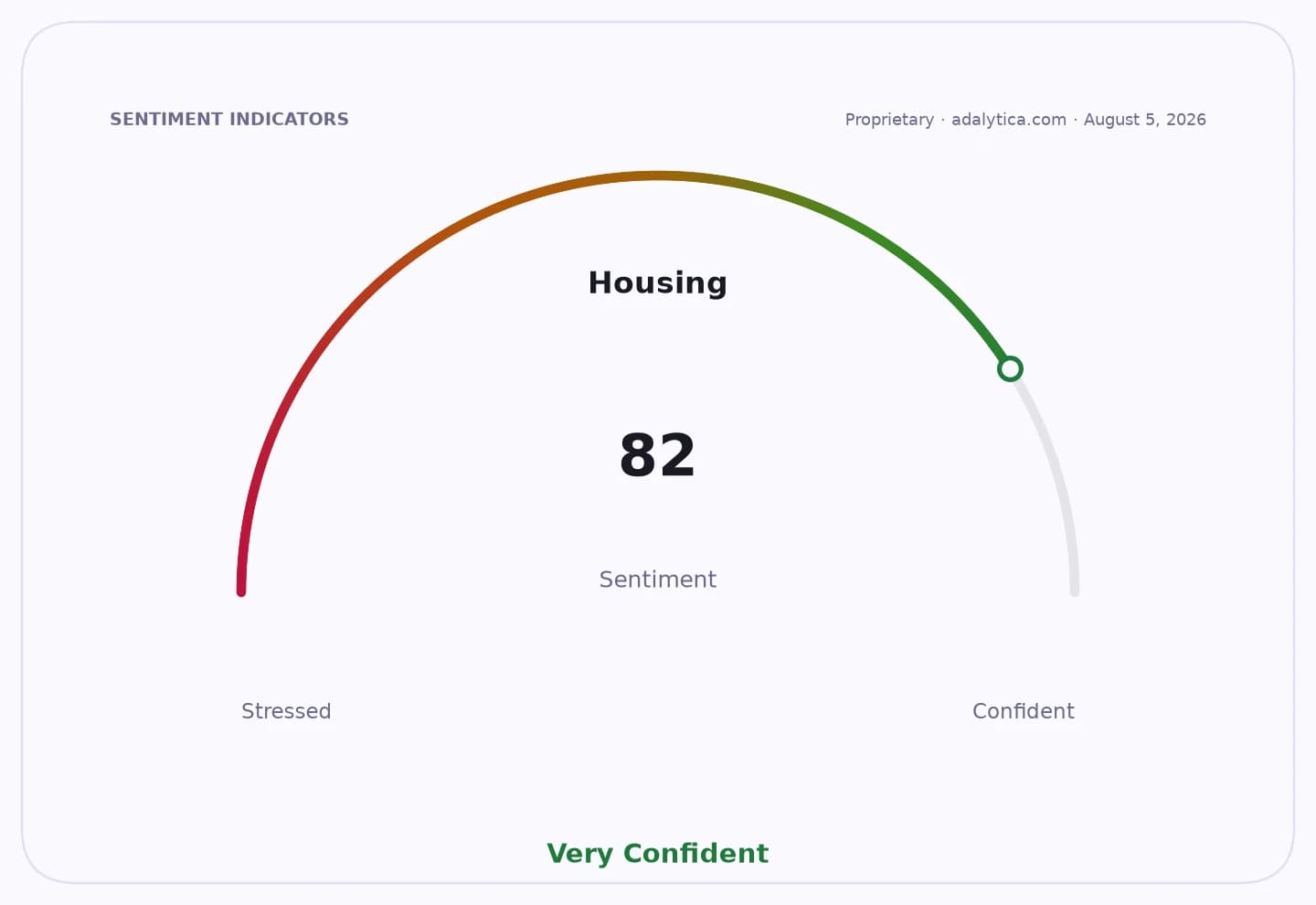
Mortgage rates were little changed this week and remained just below 6.5%, keeping a lid on homebuyer demand and extending a squeeze on the U.S. housing market even as inflation stays firm and Treasury yields hover near recent highs.
The benchmark 10-year Treasury yield, a key driver of mortgage pricing, was at 4.63% on Tuesday and is forecast to edge back to 4.668% on Wednesday, only modestly below its recent 4.75% peak. The Federal Reserve’s policy rate has been stuck at 3.63%, and with inflation still elevated, there is little immediate relief for borrowers.
That matters because mortgage costs are still high enough to keep many would-be buyers on the sidelines and discourage refinancing. The latest data and company filings point to weaker transaction volumes across housing platforms and lenders, with Zillow saying persistently high mortgage rates are reducing the number of transactions consumers complete on its products and services.
Homebuilders are feeling the pressure too. Lennar has said mortgage rates remained in the mid-to-upper 6% range through the quarter, while affordability stayed challenged for most buyers. Toll Brothers, by contrast, has held up better in the premium end of the market, with its shares rising and trading above both its 50-day and 200-day moving averages, suggesting investors still see demand resilience in luxury housing.
Mortgage-related sentiment tracked by Adalytica remained elevated, with housing and rent inflation awareness at “Extreme Greed,” underscoring how closely investors are watching any shift in borrowing costs. But with the Fed still on hold and inflation forecast to edge higher again, mortgage rates are likely to remain pinned near current levels until bond yields ease more decisively.
| Entity | Gains | Losses |
|---|---|---|
| Treasury bondholders | ▲Higher yields | ▼Mortgage borrowers |
| Homebuilders with premium buyers | ▲Better pricing power | ▼Entry-level homebuilders |
| Zillow and mortgage lenders | ▲Limited rate-driven activity | ▼Transaction volumes |
| Existing homeowners with low-rate loans | ▲Home equity advantage | ▼Prospective first-time buyers |