U.S. mortgage rates near 6.7% make extra payments more valuable
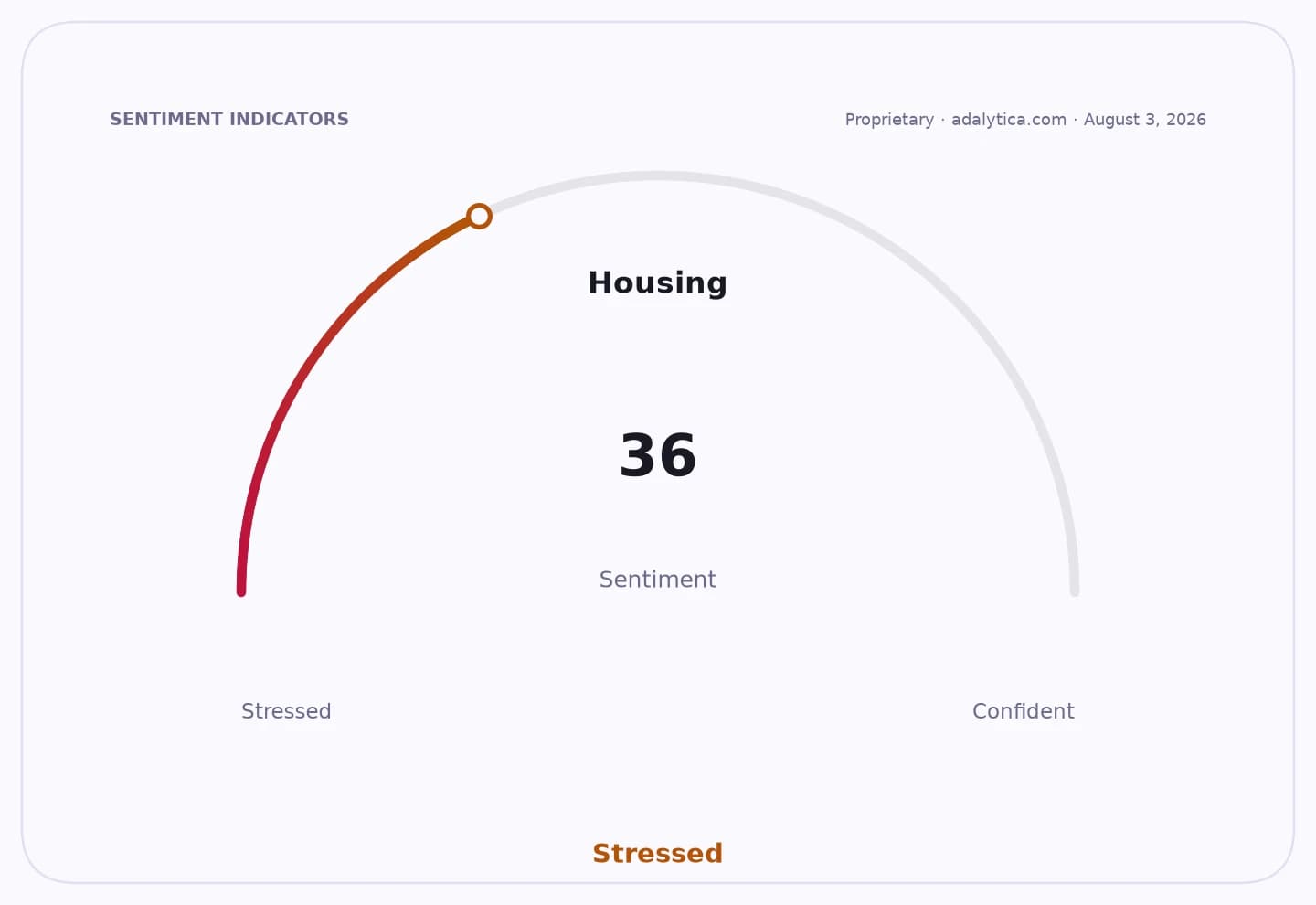
Borrowers can shave years off a mortgage by making one extra full payment a year, a simple move that matters more now as the average 30-year U.S. mortgage rate sits near 6.7% and housing affordability remains stretched.
The strategy works because lenders apply extra principal directly to the loan balance, cutting the amount on which future interest is charged. For homeowners, that can mean thousands of dollars in savings over the life of the loan without changing the required monthly bill.
The timing matters because mortgage rates remain elevated even after easing from the 2022 peak, keeping monthly payments high and locking many buyers out of the market. With the average 30-year fixed rate forecast around 6.707%, the cost of carrying debt stays heavy enough that accelerated repayment has a bigger payoff than it would in a lower-rate environment.
The housing backdrop underscores the pressure. U.S. housing starts are still running below the levels seen in recent years, and home prices have remained far above pre-pandemic norms, leaving owners with large balances and limited flexibility. That combination makes principal reduction attractive for households trying to build equity faster and reduce interest expense.
Investors also care because faster borrower repayment affects mortgage-backed securities and the companies tied to housing finance. Quicker paydowns can shorten the life of mortgage assets, influencing returns for bond investors, while slower turnover or stretched affordability can weigh on lenders and mortgage originators such as Rocket Companies, whose shares have been volatile and remain well below longer-term technical levels.
For homeowners, the main tradeoff is cash flow: paying one extra monthly installment a year requires discipline but avoids the need for a higher contractual payment. For markets, the key catalyst is whether mortgage rates ease enough to revive refinancing and homebuying, or stay high enough to keep prepayment behavior subdued and housing activity constrained.
| Entity | Gains | Losses |
|---|---|---|
| Homeowners | ▲Faster equity buildup | ▼Short-term cash flow |
| Lenders/servicers | ▲Lower delinquency risk | ▼Smaller interest income |
| MBS investors | ▲More predictable borrowers | ▼Prepayment risk |
| Homebuyers | ▲Potential rate relief if rates fall | ▼Affordability at current rates |