U.S. mortgage rates rise above 7% again
U.S. mortgage rates have climbed back above 7% for the first time in 15 months, raising borrowing costs just as the housing market is already struggling to regain momentum.
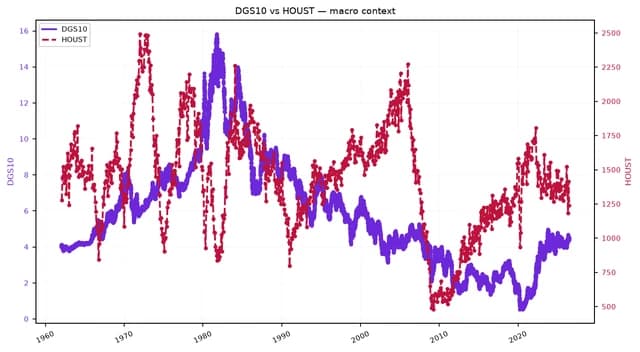
The average 30-year fixed mortgage rate rose to 7.07% on Thursday, according to Mortgage News Daily, up 10 basis points from Wednesday and 78 basis points above a year ago. The move reverses the brief easing seen earlier this year, when rates fell to about 6% in late February and slipped below 7% in May.
The latest jump matters because mortgage rates are now amplifying a broader affordability squeeze rather than buffering it. Higher borrowing costs reduce how much buyers can pay for the same home, weaken demand and make it harder for sellers to clear inventory, especially in a market where home prices and rents have not retreated enough to restore affordability.
Geopolitics is driving much of the latest pressure. Rates surged after the U.S. and Israel entered the war in Iran, disrupting oil shipments, pushing global crude above $106 a barrel and sending U.S. government bond yields to multiyear highs. Investors are also pricing in a risk that the conflict could last for years, extending inflation pressure and keeping long-term rates elevated.
The housing slowdown is already showing up in sales data. Existing-home sales fell 2% in August from July to their lowest level in more than a year, according to the National Association of Realtors. Zillow economist Kara Ng said shoppers who missed the peak season are facing a tougher math problem, adding that the buying-power advantage seen in the first half of 2026 ended in August.
The Federal Reserve is another factor. Strong August jobs data removed one argument for the Fed to delay further tightening, even as policymakers continue to fight inflation. That keeps pressure on bond markets and makes it harder for mortgage rates to fall quickly.
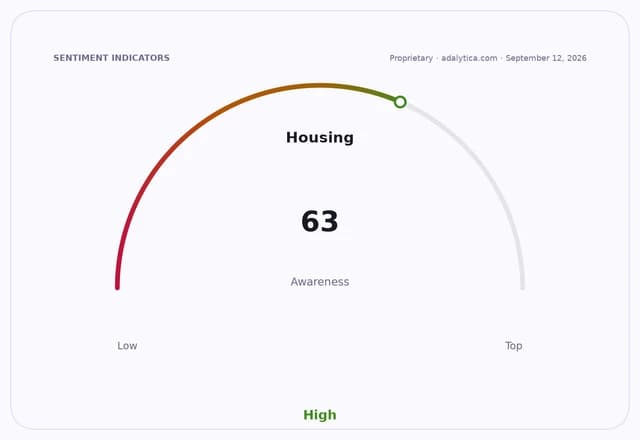
For investors, the move reinforces a split trade: higher yields and persistent inflation pressure support Treasury bears, while homebuilders, mortgage lenders and housing-linked ETFs face renewed downside if rates stay near this level. Adalytica’s Housing and Rent Inflation sentiment gauge was neutral, but Treasury bond trade signals pointed to extreme greed, underscoring the market’s tilt toward higher-rate expectations.
The next catalysts are the Fed’s inflation read, labor data and any de-escalation in the Iran conflict. Until then, 7% mortgage rates threaten to keep housing activity subdued and affordability under pressure.
| Entity | Gains | Losses |
|---|---|---|
| Treasury bears | ▲Higher yields | ▼Bond prices |
| Homebuyers | ▲None | ▼Affordability |
| Homebuilders | ▲None | ▼Demand and margins |
| Mortgage lenders | ▲Higher rate income | ▼Lower refinancing and purchase volume |