US mortgage rates rise and home sales slow
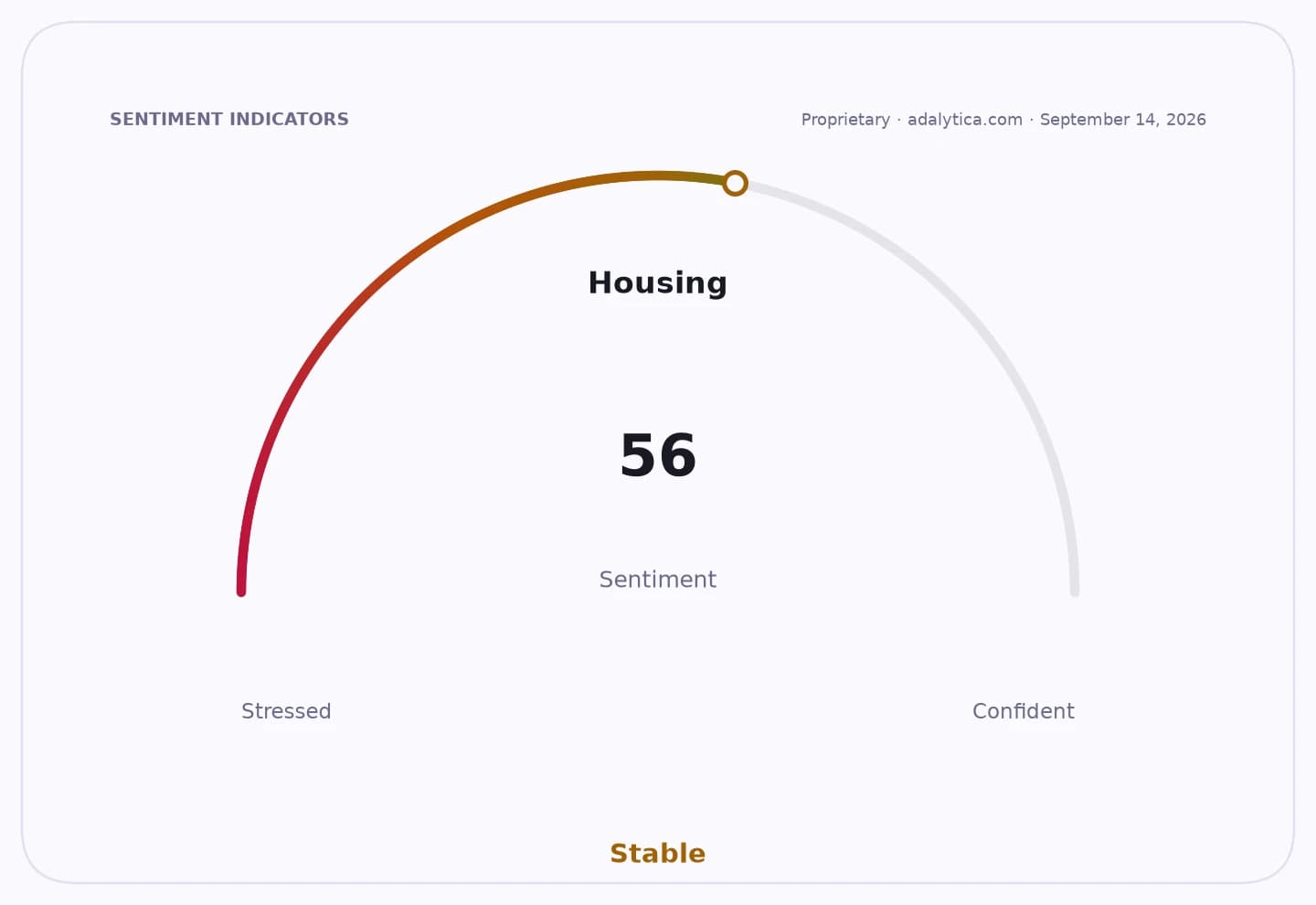
US mortgage rates climbing to their highest level in more than 15 months are tightening affordability and slowing the housing market just as home-price growth shows signs of losing momentum. For buyers, the higher cost of financing is becoming the main constraint; for sellers, it is starting to cap pricing power in a market that had been supported by chronic inventory shortages.
The move matters because housing sits at the intersection of household balance sheets, bank lending, consumer confidence and the broader economy. Thirty-year Treasury yields, a key benchmark for long-term borrowing costs, have risen to about 4.95%, while the 30-year Treasury itself has moved to 5.37% in recent sessions, levels that typically feed through to mortgage pricing. That shift is already visible in the housing data: US home prices rose to 336.663 in June, but the pace of increases has been grinding lower, with a forecast for July pointing to 339.5, still positive but hardly the kind of acceleration that would offset a sharp rise in financing costs.
The pressure is also showing up in transaction volumes. Existing home sales have fallen to around a 30-year low, roughly 20% below pre-pandemic levels, according to recent corporate disclosures from Zillow and Opendoor. The latest reading for August underscored the slowdown, with sales dropping to their weakest annual pace in more than a year. That is an important warning sign for the entire residential chain: when fewer homes change hands, brokers, mortgage originators and iBuying platforms all lose volume, while homebuilders are pushed to lean more heavily on incentives and mortgage-rate buydowns to move inventory.
For investors, the message is less about a sudden crash in prices than a prolonged ceiling on appreciation. The stock reaction has been uneven: Rocket Companies has held above its spring lows but still trades well below its 200-day moving average, while Zillow remains far under its longer-term average after a steep drawdown. Opendoor, which depends on rapid resale and tight pricing discipline, has been hit harder still, reflecting the market’s skepticism that flattish prices and expensive financing can support a durable recovery in turnover. The technical setup in those names points to ongoing volatility rather than a clean trend reversal.
The macro backdrop suggests the strain may persist. Mortgage rates are being pulled higher not only by US Treasury yields but also by a broader rise in long-end borrowing costs globally, with banks adjusting lending strategy in markets including Portugal and Japan. That leaves little room for a quick easing in affordability unless bond yields fall materially or wage growth outruns housing costs. Until then, the most likely outcome is a slower market in which home values are under pressure at the margin, sellers have less leverage and affordability remains the key obstacle for would-be buyers.
| Entity | Gains | Losses |
|---|---|---|
| Homebuyers with cash | ▲Better negotiating power | ▼Less upside from falling rates |
| Home sellers | ▲Faster sales only if prices are cut | ▼Pricing power and valuation gains |
| Mortgage lenders and brokers | ▲Refinance and origination fees if volumes hold | ▼Fewer transactions and weaker demand |
| Housing-linked stocks (RKT, Z, OPEN) | ▲Trading volatility | ▼Lower turnover and margin pressure |