U.S. mortgage rates stay high as Treasury yields rise
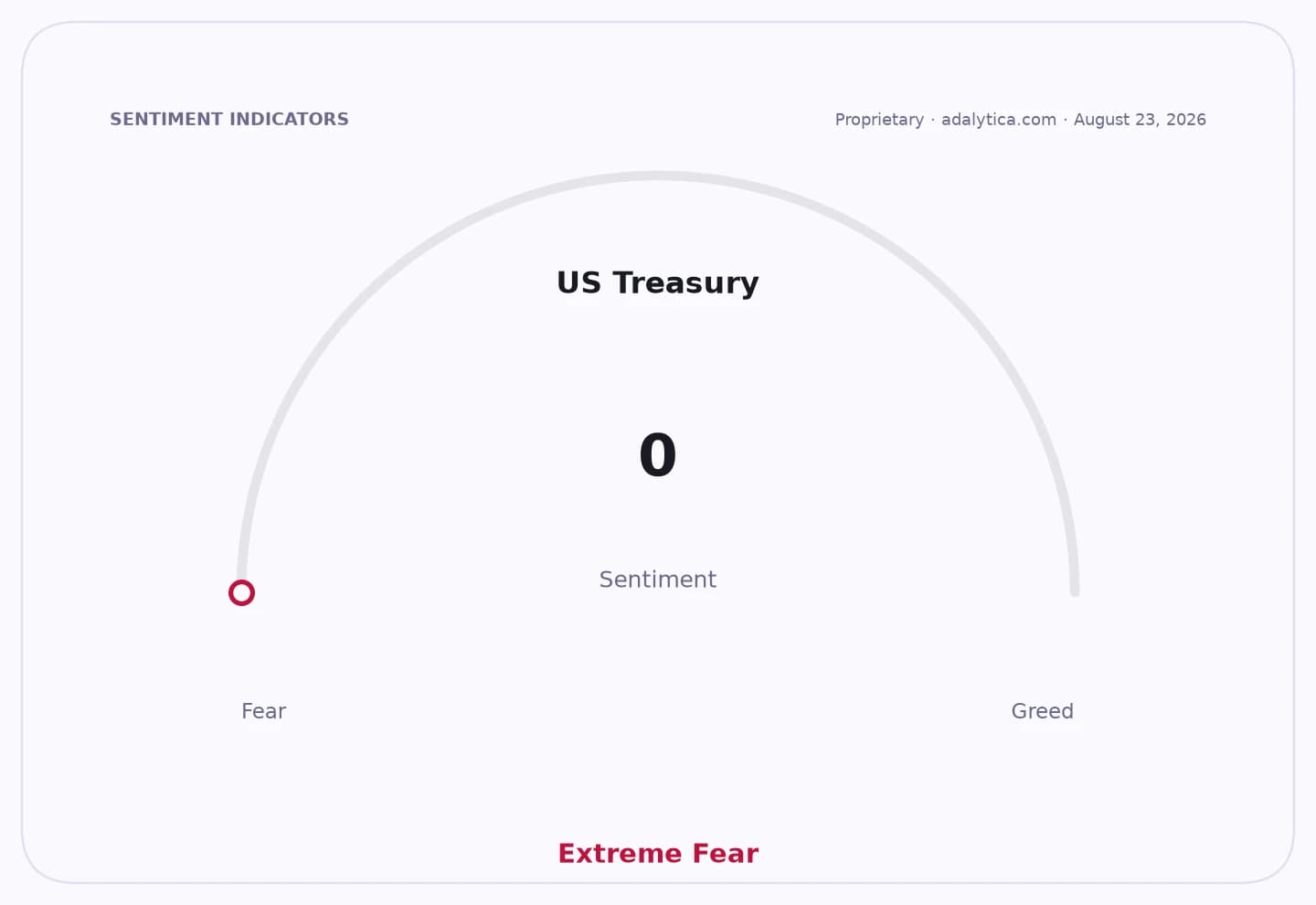
Mortgage rates in the U.S. are being pulled back up by a bond market that refuses to cooperate, even as the economy keeps sending mixed signals and hopes for easier borrowing costs flicker in and out.
That matters because the 30-year mortgage rate is ultimately tied less to the Federal Reserve’s headline policy rate and more to the long end of the Treasury market, where investors are demanding a hefty premium for lending over decades. When those yields stay elevated, homebuyers pay the price. And right now, that cost is sticking: the average 30-year mortgage rate is hovering around 6.65%, only a touch below its recent 6.69% level, while the 10-year Treasury yield sits near 4.675% and the 2-year is around 4.19%.
For homeowners and would-be buyers, the key point is not just that borrowing is expensive. It’s that the market is signaling this may not be a quick fix. The spread between the 10-year Treasury and the mortgage rate remains wide, reflecting the added risk mortgage lenders build in, but even a modest move higher in Treasury yields can keep mortgage pricing stubbornly elevated. That helps explain why housing affordability remains strained and why rate-sensitive parts of the market keep reacting to every shift in bonds.
Investors should care because housing is one of the clearest transmission channels from bond yields into the real economy. Higher mortgage rates slow refinancing, cool turnover, and pressure builders, brokers and housing-related consumer spending. That is why the homebuilders ETF XHB and the real-estate ETF IYR deserve attention whenever Treasury yields move. XHB has been choppy and sits near 106.50, while IYR has held up better around 104.73, but neither can escape the fact that financing costs remain a headwind. Bond prices are telling the same story: TLT, the long-duration Treasury ETF, closed at 82.05, still below its 50-day and 200-day moving averages, a sign that the long bond remains under pressure.
The macro backdrop makes this more important than a one-day move. When the 10-year yield sits well above levels that prevailed in the post-crisis era, mortgage rates can stay “higher for longer” even if the Fed pauses or cuts short-term rates. That’s why the bond market has become the real gatekeeper for housing affordability, and why investors looking for a durable turn in housing should watch Treasury yields more than speeches from central bankers.
There is a silver lining. If yields eventually ease, mortgage rates can fall quickly, and housing stocks tend to respond fast because the sector is so rate-sensitive. But until the bond market starts pricing in a cleaner disinflation and slower growth path, borrowers should expect mortgage relief to remain limited. For long-term investors, that argues for patience, diversification and a focus on companies with real pricing power and strong balance sheets rather than trying to time every move in rates.
| Entity | Gains | Losses |
|---|---|---|
| Treasury sellers | ▲Higher yields on long bonds | ▼Bond prices |
| Mortgage borrowers | ▲Slight rate dips, if any | ▼Affordability |
| Homebuilders and housing ETFs | ▲Lower-yield relief, if it comes | ▼Higher financing costs |
| Long-duration bond holders | ▲Future capital gains if yields fall | ▼Near-term price pressure |