U.S. natural gas demand rises on AI data centers
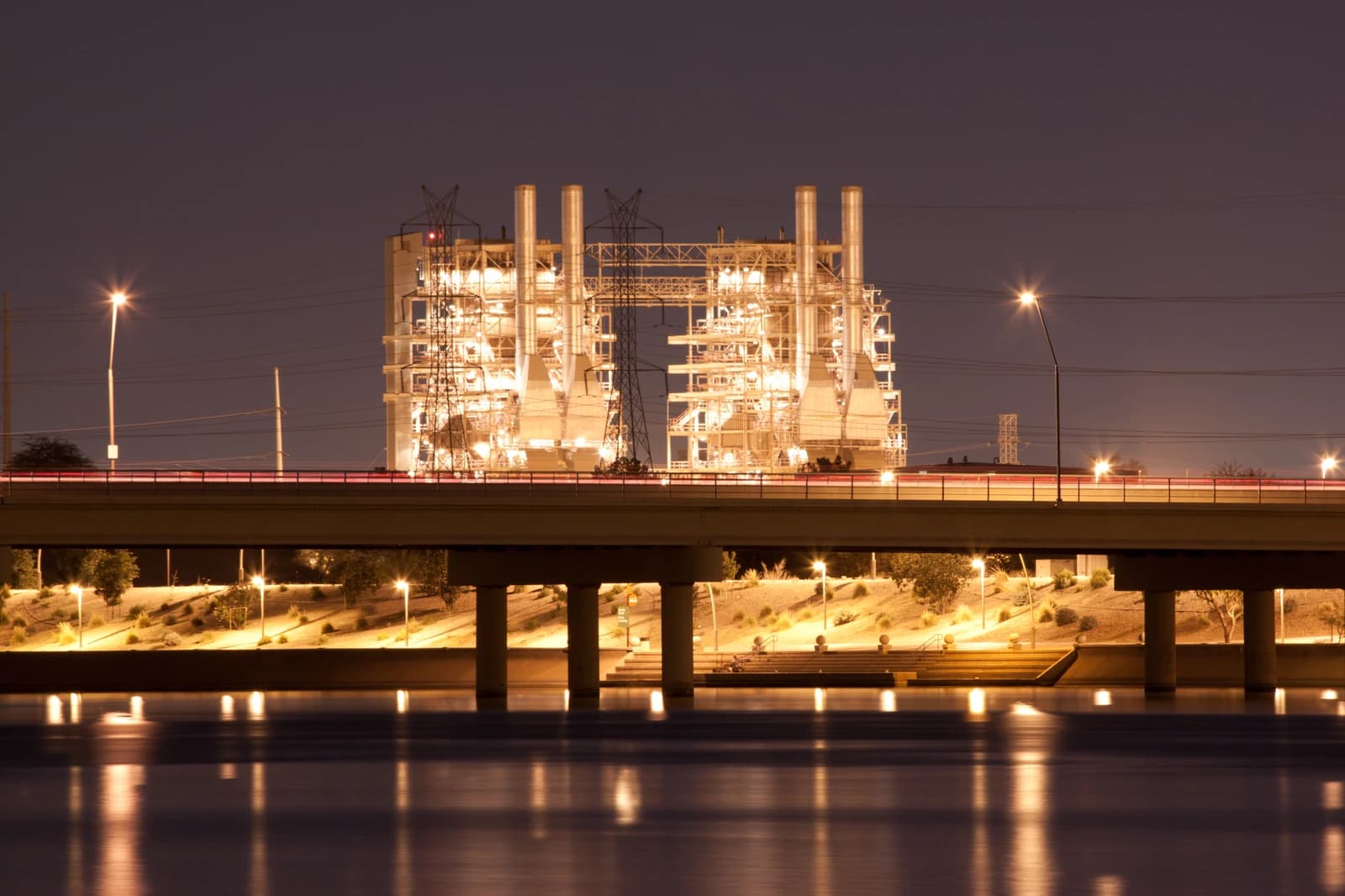
Natural gas is becoming the market’s most underappreciated AI beneficiary, with U.S. data centers set to drive a surge in demand large enough to reshape power markets, utilities and gas producers over the next decade.
BloombergNEF says gas burned to generate electricity for data centers will jump by 15 billion cubic feet a day by 2035, even after assuming many planned projects never get built. That is more gas than all countries except China, Russia, Iran and the U.S. currently consume, underscoring how quickly artificial intelligence is turning into a structural fuel story, not just a technology story.
The scale matters because data centers do not behave like ordinary industrial loads. They run 24 hours a day, need instant reliability and are clustering in regions where utilities can connect them fastest. Gas-fired plants are the obvious backstop: they are abundant in the U.S., relatively cheap and can ramp output far more quickly than coal or most renewables. BloombergNEF expects gas to supply 69% of the electricity needed by new grid-connected data centers.
That makes the AI buildout a second major leg of U.S. gas demand alongside liquefied natural gas exports. BloombergNEF now sees gas demand from power generation rising to 54 billion cubic feet a day by 2035, up 18 billion from 2025, while LNG exports add another 21 billion. In other words, the same fuel is being pulled harder by two of the most powerful secular growth stories in the economy.
For investors, that is the real inflection point. The market has spent years treating U.S. gas as a commodity with chronic oversupply and weak pricing power. But if AI infrastructure and LNG are both drawing from the same resource base, the balance shifts toward tighter supply, firmer Henry Hub pricing and better economics for upstream producers, midstream pipeline operators and utilities with gas generation fleets. That is exactly why energy equities have been firm even as the broader market rotates around AI.
The setup also creates winners and losers across the utility complex. Gas-heavy generators and pipeline owners stand to benefit from rising volumes and the need for new infrastructure, while households and energy-intensive manufacturers could face higher power costs if gas prices climb and utilities pass through more expensive fuel. Duke Energy has already said data center demand remains a significant contributor to projected load growth, and Microsoft has warned that power constraints and energy costs can complicate datacenter expansion.
There is still uncertainty. BloombergNEF’s own analyst said the margin for error is wide, and the pace of AI deployment could turn out better or worse than expected. But that uncertainty cuts both ways, and the direction of travel is hard to miss: every new model, chip cluster and hyperscale campus increases the odds that gas remains the marginal fuel for U.S. electricity.
The market is still early in pricing that reality. I believe the smarter trade is to own the toll roads of the AI power boom — producers with inventory, pipelines with throughput and utilities with gas-fired capacity — before the consensus catches up to just how much fuel artificial intelligence will burn.
| Entity | Gains | Losses |
|---|---|---|
| U.S. gas producers | ▲Higher demand and pricing power | ▼ |
| Pipeline and LNG infrastructure | ▲More throughput and expansion needs | ▼ |
| Utilities with gas-fired fleets | ▲Load growth from data centers | ▼ |
| Household and industrial power users | ▲ | ▼Higher electricity and fuel costs |