US natural gas slips as LNG exports slow
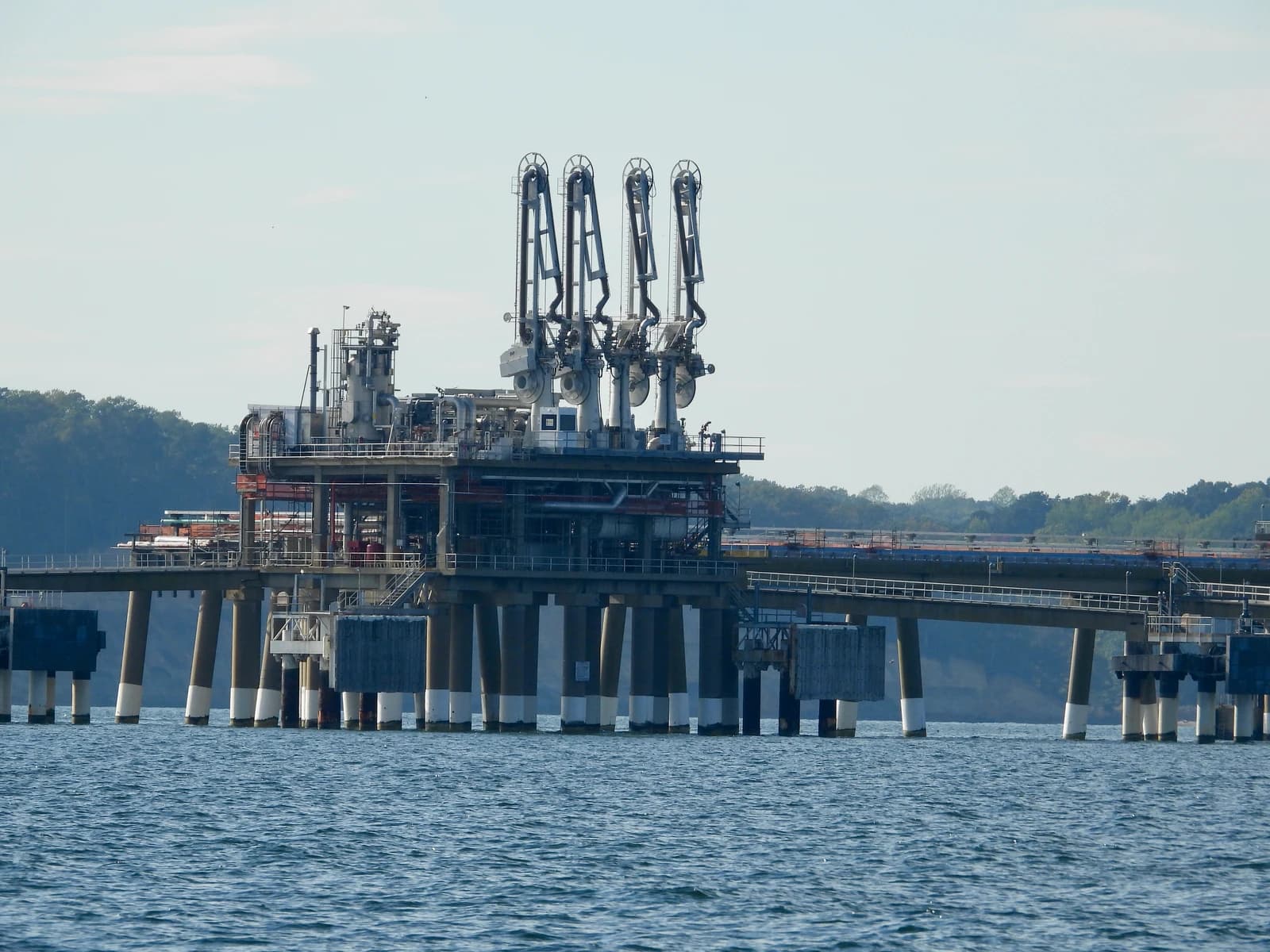
US natural gas prices slipped ahead of a closely watched storage report as LNG export flows fell to a three-week low, cooling one of the market’s strongest demand engines just as traders look for clues on how tight supplies really are.
That matters because liquefied natural gas exports have been the swing factor keeping the US gas market tighter than many expected. When those flows back off, even briefly, more gas stays onshore and prompt prices lose support. For investors, the message is straightforward: the near-term trade is still about weather and inventory data, but the bigger driver remains export capacity utilization — and that is what separates a temporary pullback from a lasting downtrend.
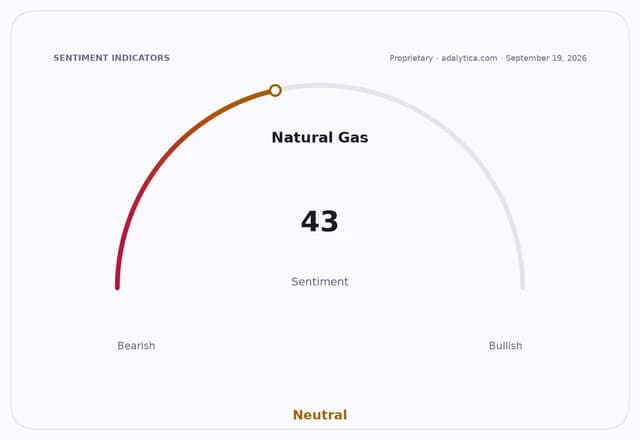
The front-month U.S. gas contract, tracked by the UNG ETF, ended the latest session at $10.36, with the fund still holding just above its 50-day moving average at $10.27. The 200-day moving average at $11.59 remains overhead, showing the market has not fully repaired the damage from earlier volatility. UNG’s RSI reading of 48.8 suggests momentum is neutral, not stretched, while Adalytica’s natural gas trade signal snapshot showed sentiment at 43, down 25 points in a day and 34 points over the past week, underscoring a sharp cooling in market tone.
The export slowdown also rippled through the equities tied to the gas trade. Cheniere Energy, the most direct LNG beneficiary, closed at $268.34 after trading as high as $273.07, still well above its 50-day moving average of $270.18 and far above the 200-day average at $242.43. That tells you the market still rewards infrastructure-backed LNG cash flows even when spot gas wobbles. Kinder Morgan, another key pipeline and gas transportation name, rose to $31.84 on heavy volume, with shares holding near their 50-day moving average of $31.68 and above the 200-day average of $30.83, reflecting investor appetite for fee-based exposure rather than outright commodity bets.
The economic logic is simple: weaker LNG outflows can ease domestic pricing pressure in the short run, but they also highlight how dependent the US gas complex has become on exports to absorb rising production. If storage data comes in looser than expected, traders may push prices lower again. If the report shows tighter inventories despite slower exports, the market will quickly refocus on winter demand and the resilience of structural LNG demand.
For investors, that creates a clear split. Commodity-sensitive vehicles like UNG remain vulnerable to headline-driven swings, while the better risk-adjusted opportunity stays in the toll-collectors — the LNG exporters, pipelines and infrastructure operators that benefit from volumes rather than day-to-day price direction. The next catalyst is the storage print, but the bigger investment case is still the same: any dip in gas prices tied to softer export flows is more likely a trading opportunity than the start of a broken secular LNG story.
| Entity | Gains | Losses |
|---|---|---|
| LNG exporters | ▲long-term capacity demand | ▼near-term spot price support |
| Pipeline operators | ▲fee-based throughput | ▼commodity volatility hedge |
| UNG holders | ▲short-term pullbacks to buy | ▼mark-to-market losses |
| US consumers | ▲lower gas costs | ▼if winter demand tightens supply |