US Open prize money lifts New York live event demand

The US Open’s record $108 million in total prize money is helping turn this year’s tournament into a bigger economic event for New York, with demand for tickets and premium sports experiences rising alongside the sport’s growing cash payouts.
For investors, that matters because the US Open is not just a tennis story. It is a snapshot of how live sports remain one of the most resilient forms of entertainment, able to command higher prices even when consumers are picky elsewhere. Higher prize money can lift the prestige of the event, deepen sponsor interest and support stronger ticket revenue for the broader live-entertainment ecosystem tied to Madison Square Garden’s MSGS, Live Nation’s LYV and TKO Group Holdings’ TKO.
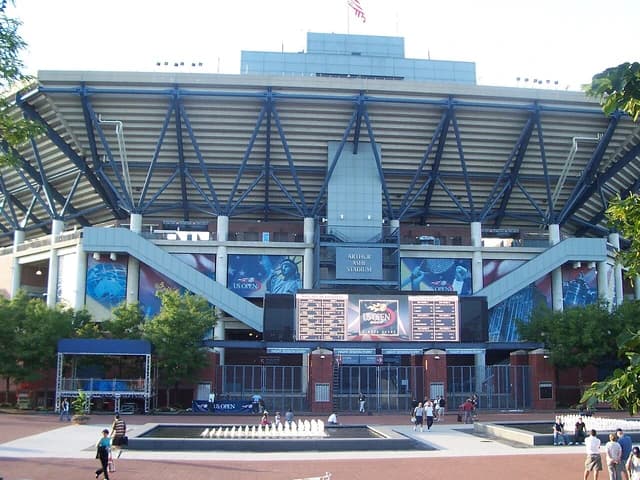
The scale of the purse is striking. At $108 million, the US Open is once again underscoring how major sports properties compete by spending more to keep top athletes engaged and the product compelling. That is the economics of modern live events: better stars, bigger audiences, more media value and more willingness from fans to pay up for access. In other words, the pricing power is not just in the courtside seats; it runs through the entire value chain.
That dynamic has been visible in the stocks of the companies most exposed to live attendance and premium event demand. MSGS has climbed sharply this year and still trades well above both its 50-day and 200-day moving averages, while LYV and TKO have also held up despite recent volatility. Those moves suggest investors continue to reward businesses that can monetize scarce live inventory, especially when marquee events capture attention and create urgency around tickets.
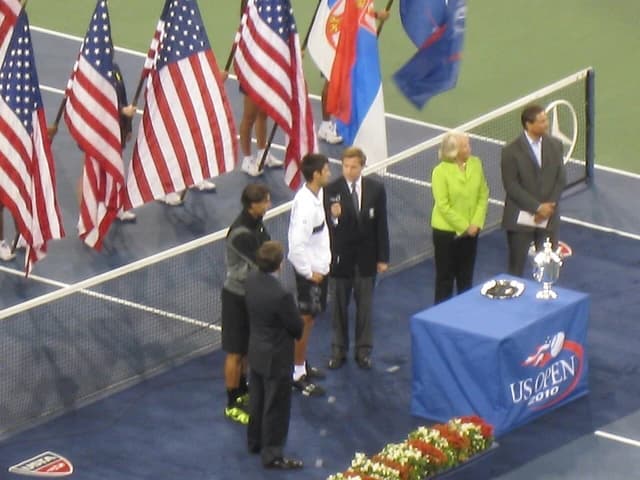
Of course, there is a ceiling. When prices rise too fast, some fans stay home, and live entertainment companies have to balance revenue growth against affordability. But the long-term case remains intact: elite sports and concerts are still among the most durable ways to spend discretionary dollars, and scarcity gives owners leverage.
For long-term investors, the lesson is simple. Big prize money, higher ticket prices and packed venues all point to a healthy market for premium live experiences. That makes the companies controlling the venues, promotions and rights worth keeping on the watchlist — and, for patient investors, worth holding for years.
| Entity | Gains | Losses |
|---|---|---|
| US Open / players | ▲Bigger prize money | ▼Higher pressure to keep attracting sponsors |
| MSGS | ▲Stronger premium-event demand | ▼Fans facing higher ticket costs |
| LYV / TKO | ▲Healthier live-entertainment pricing power | ▼Value-sensitive consumers |