U.S. payrolls lift odds of a Fed rate hike
A surprisingly strong August U.S. payrolls report has moved the Federal Reserve closer to a rate hike this month, but the decision still likely turns on next week’s inflation data.
The labor market added 162,000 jobs last month, topping all estimates in a Bloomberg survey, while the unemployment rate held at 4.1%. That strength reinforces the view that the economy can absorb tighter policy, and it raises the odds that officials will feel less urgency to keep rates unchanged. But the report did not show a fresh pickup in wage or price pressure, leaving inflation — not employment — as the decisive variable for the Sept. 16 meeting.
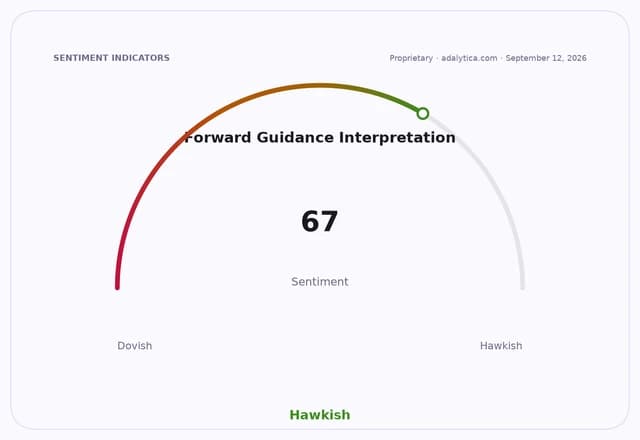
Investors quickly adjusted. Federal funds futures now price a little above a 60% probability of a quarter-point increase, up from about 50% before the jobs release. That shift matters because it affects borrowing costs across the curve, from corporate credit and mortgages to Treasury yields and equity valuations. A move higher in policy rates would also signal that the Fed is willing to lean against inflation even as growth and hiring remain resilient.
The report was strong enough to reassure policymakers that the labor market is not cracking, but not strong enough to settle the debate inside the central bank. Officials have already been split over the appropriate near-term path. At the July meeting, three policymakers dissented in favor of a hike, and two non-voting officials later said they backed that position. The latest jobs data gives that hawkish camp more ammunition, yet it still leaves the Fed waiting for the key inflation prints: producer prices on Thursday and consumer prices on Friday.
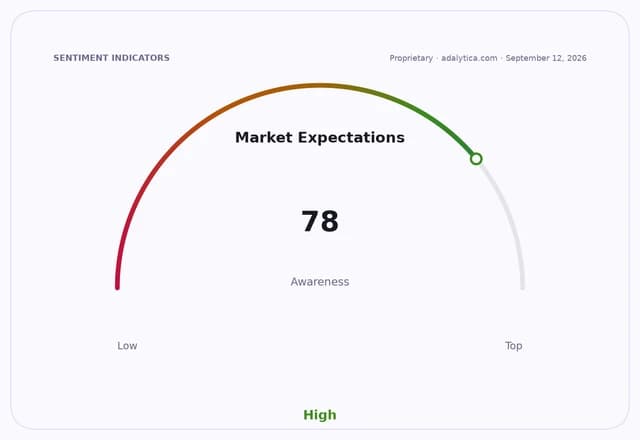
That sequencing is what makes this week so important for markets. If the August CPI and PPI data show price pressures cooling, the Fed is likely to stay on hold for a sixth straight meeting. If inflation proves sticky, the case for a hike strengthens materially. Economists cited by Bloomberg said the labor data now plays a secondary role, with the inflation report carrying the real market-moving risk.
Politics adds another layer. President Donald Trump renewed his pressure campaign on the central bank, posting on social media that it should lower rates and urging officials to “BE PATRIOTS.” For investors, the bigger issue is not the rhetoric itself but the risk that political pressure complicates the Fed’s attempt to present any decision as purely data-driven. That is especially relevant as the market watches how much independence the new Fed leadership can preserve in the face of public demands for easier policy.
For now, the narrative is straightforward: the jobs report lowered the threshold for a hike, but it did not remove the Fed’s dependence on inflation. The next two inflation releases will determine whether the central bank pauses again or delivers the move futures traders are now starting to price in.
| Entity | Gains | Losses |
|---|---|---|
| Hawkish Fed officials | ▲Stronger case for a hike | ▼Less room to wait |
| Dovish Fed officials | ▲Support from lack of wage pressure | ▼Argument weakened by payroll gain |
| Borrowers | ▲Possible pause if inflation cools | ▼Higher rates if CPI/PPI run hot |
| Dollar and rate-sensitive assets | ▲Less immediate policy shock if no hike | ▼Valuation pressure if Fed tightens |