U.S. PPI Rises 5.4% in August
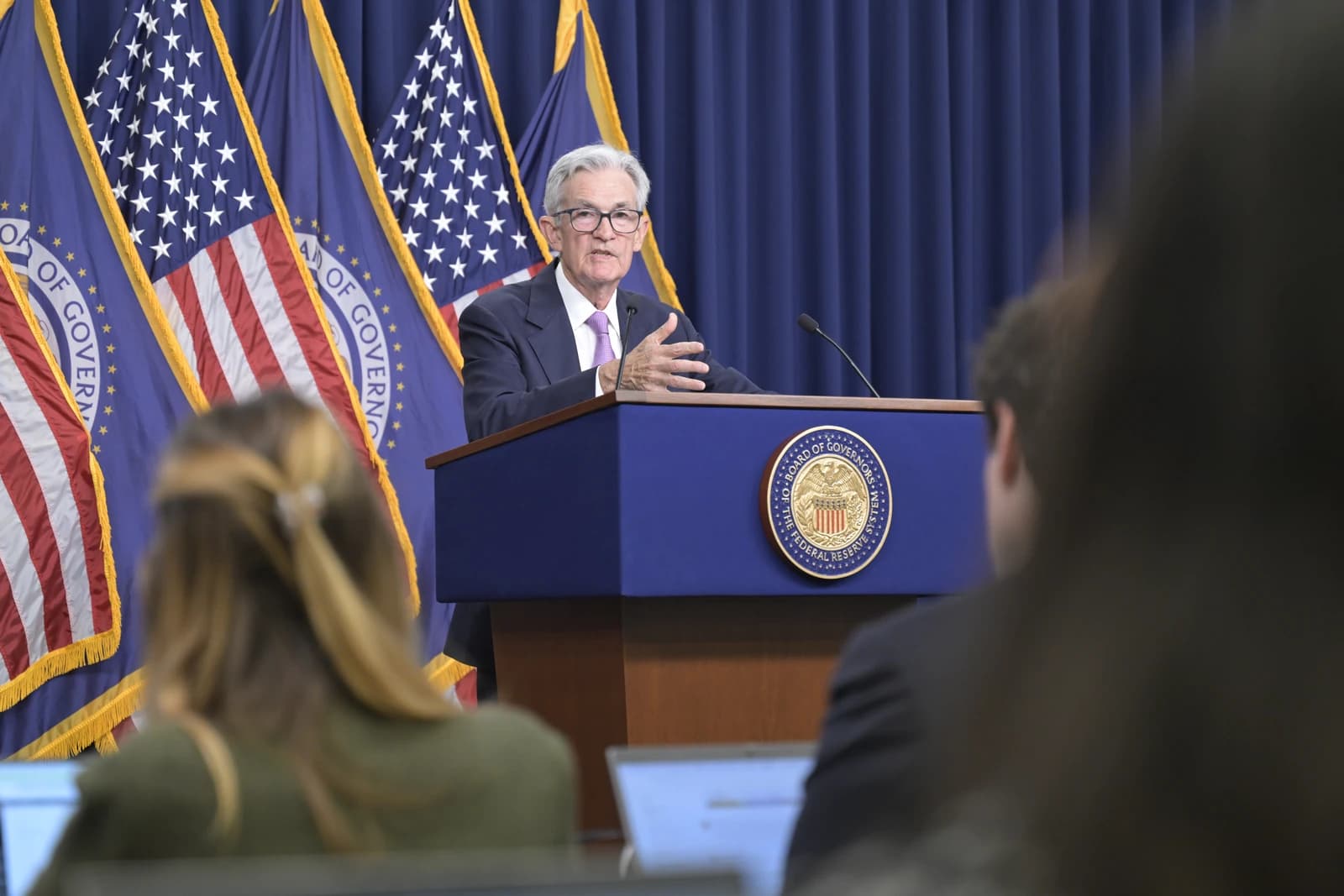
Wholesale inflation in the U.S. picked up by the most in three months in August, sharpening the case for the Federal Reserve to keep interest rates elevated — or even raise them — when policymakers meet next week.
The Producer Price Index rose 5.4% from a year earlier, up from 4.7% in July and slightly above economists’ expectations for a 5.3% increase, the Bureau of Labor Statistics said Thursday. On a monthly basis, producer prices climbed 0.4%, with higher energy costs doing much of the work.
The core measure, which strips out food and energy and is watched as a cleaner read on underlying price pressure, accelerated to 4.7% from 4.2% in the prior month, also a touch above estimates. That leaves inflation running well above the Fed’s 2% target and gives officials little room to declare price gains are easing enough to support a patient policy stance.
The report lands as investors brace for Friday’s consumer price data, the last major inflation reading before the Fed’s Sept. 16 meeting. A hotter-than-expected CPI would strengthen arguments for a quarter-point increase; a softer print could reinforce the view that the central bank can wait.
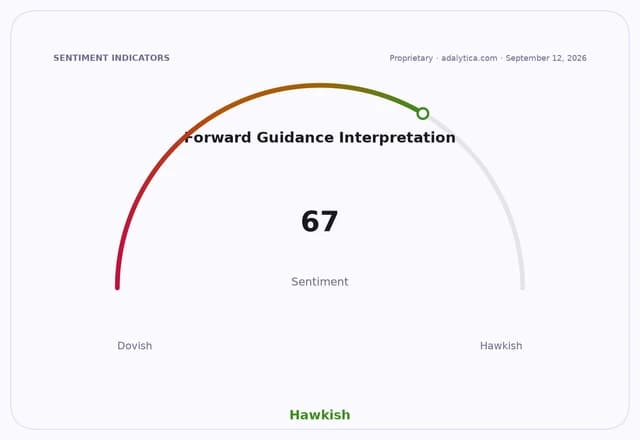
Policy makers have been split over whether tighter policy would choke growth too quickly or whether inflation remains hot enough to justify another hike. Thursday’s wholesale-price data tilted that debate slightly toward the hawks, even if the Fed is still likely to lean heavily on the consumer report before making a final call.
Treasuries reflected the tension in rate markets, with the 10-year yield hovering around 4.95%, while the iShares 20+ Year Treasury Bond ETF, TLT, remained under pressure near 80.87. The S&P 500, however, held near record territory, showing investors are still balancing the chance of more Fed tightening against resilient risk appetite.
For investors, the key question is whether this inflation pulse proves temporary or broadens into a more persistent price problem. Another firm CPI reading would raise the odds of higher borrowing costs for longer, weighing on bonds, rate-sensitive equities and consumer demand.
| Entity | Gains | Losses |
|---|---|---|
| Federal Reserve hawks | ▲Stronger case for a hike | ▼Risk of overtightening |
| Bond investors | ▲Potentially higher yields | ▼Lower TLT prices |
| Consumers and borrowers | ▲— | ▼Higher financing costs |
| Energy producers | ▲Higher input-price backdrop | ▼Inflation-linked policy pressure |