U.S. Refiners Outperform as Crude Stays Near $84
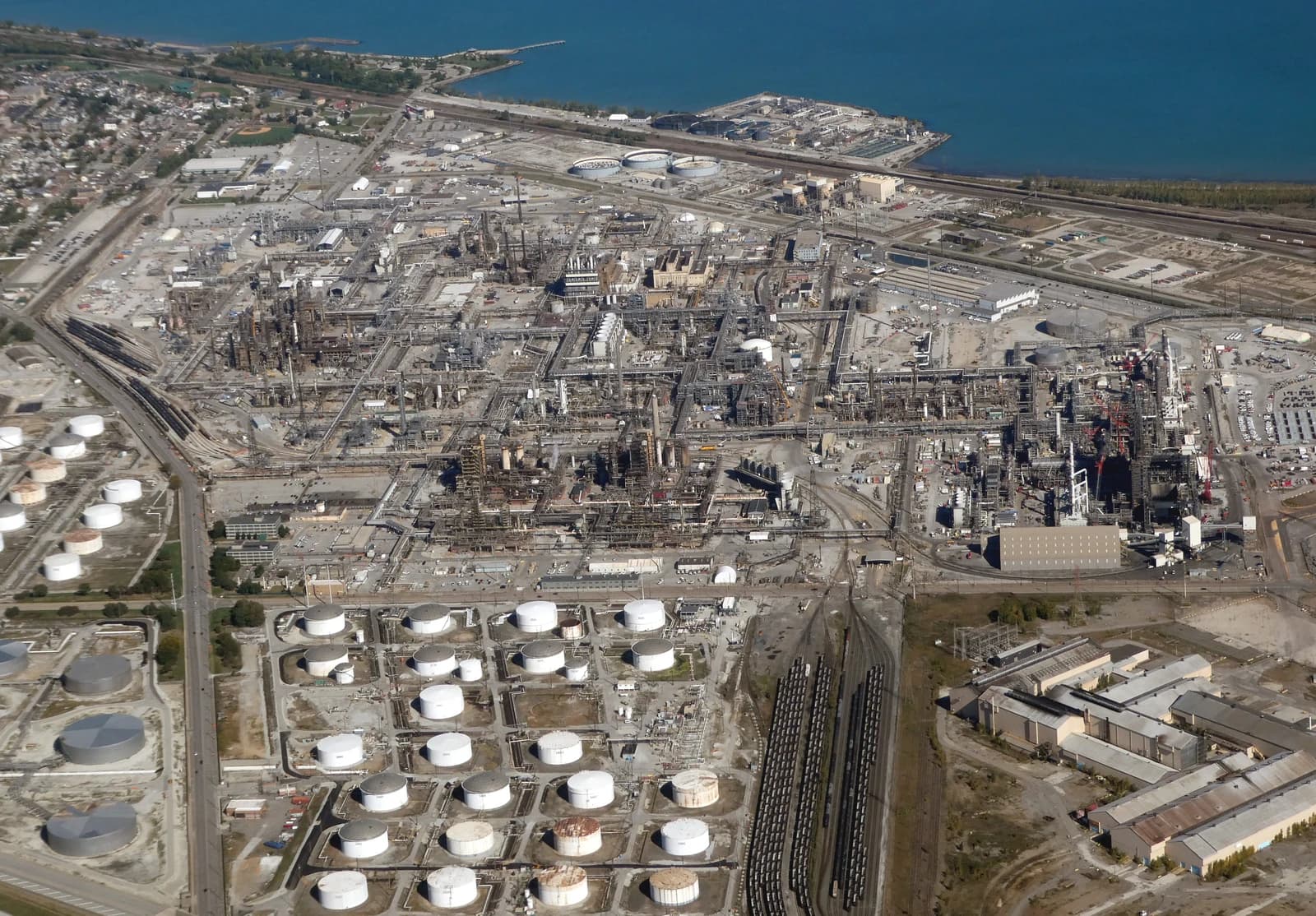
U.S. crude may be near $84 a barrel, but the bigger money is still being made where the oil gets processed, not just where it comes out of the ground.
That is the market’s blind spot. The popular “drill, baby, drill” trade assumes more domestic output automatically means more domestic fuel security and more value captured at home. In reality, the U.S. refining system is built around a global crude slate, especially heavier imported barrels from Canada and the Gulf states, and the economics still favor companies that can turn that feedstock into gasoline, diesel and jet fuel for export or premium domestic markets. That is why integrated refiners and large downstream operators keep outperforming when supply chains tighten and product margins widen.
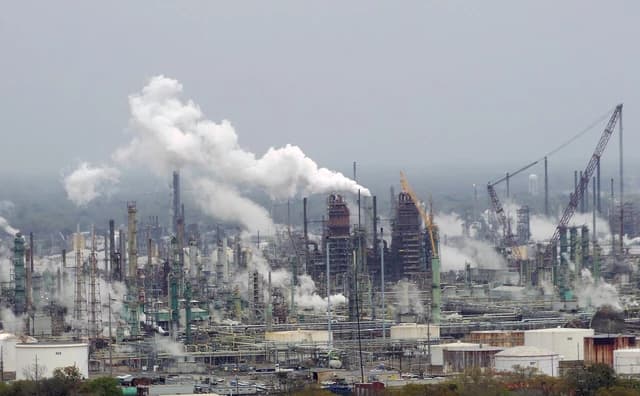
The numbers show the setup clearly. West Texas Intermediate is forecast around $83.85 a barrel and Brent around $89.98, leaving a healthy spread that supports product pricing, while the 10-year Treasury yielding 4.68% reinforces a market where capital is still expensive and investors want cash-generating assets. In that environment, refiners with scale and logistics are the toll roads of the energy complex: they collect a fee on every barrel that moves through the system.
The equity tape is telling the same story. Exxon Mobil is trading near $158, up sharply from late 2025 levels and still above both its 50-day and 200-day moving averages, while Chevron is holding around $200 after a strong run. But the real relative strength sits with the refiners. Marathon Petroleum is still near $362 after touching the mid-$300s, and its shares are far above both the 50-day and 200-day averages. That is not just oil beta; that is margin leverage. Marathon’s latest filing showed refining and marketing adjusted EBITDA of $15.31 per barrel for the first half of 2026, more than triple the $4.45 a barrel a year earlier. Chevron also said refined product sales fell 13% year on year, underscoring how volatile downstream volumes can be even as margins remain attractive.

This is why the market underestimates the real beneficiaries of a “more oil” America. Upstream production matters, but it does not automatically translate into the best returns. The bottleneck is conversion capacity, export infrastructure and access to the right crude grades. Nigeria’s Dangote refinery is a useful parallel: as domestic processing capacity expanded, seaborne petroleum product exports jumped sevenfold since 2023. The same logic applies in the U.S. and globally. Countries that can refine efficiently and ship products win. Countries that only pump crude often leave value on the table.
That dynamic is also showing up across the sector. Chevron’s downstream profits rose even as product sales weakened. Exxon said global refining margins were sharply above historical norms. And Adalytica’s Oil WTI trade signals are flashing extreme greed, a sign the market is crowded on the crude narrative even as the better long-term trade may still be the companies that own the infrastructure turning barrels into finished fuel.
For investors, the implication is straightforward: don’t confuse higher U.S. drilling with the best way to play energy. The asymmetric opportunity is in refiners, integrated majors with downstream scale, and infrastructure owners that benefit from tight product markets and export demand. If crude stays elevated and geopolitical risk keeps global supply chains strained, the market keeps paying up for the businesses that control the conversion process, not just the hole in the ground.
| Entity | Gains | Losses |
|---|---|---|
| Marathon Petroleum, refiners | ▲Wider product margins | ▼Higher crude input costs |
| Exxon Mobil, Chevron | ▲Integrated upstream/downstream cash flow | ▼Pure upstream-only upside |
| U.S. consumers | ▲Greater fuel supply resilience | ▼Persistent gasoline and diesel prices |
| Crude exporters | ▲Strong global demand for feedstock | ▼Value capture in refining leaves home market |