U.S. retailers brace for holiday inventory pressure
Businesses are preparing for the seasonal surge in operations against a backdrop of a softer labor market and uneven demand, a combination that is likely to keep margins tight even as holiday and year-end activity picks up.
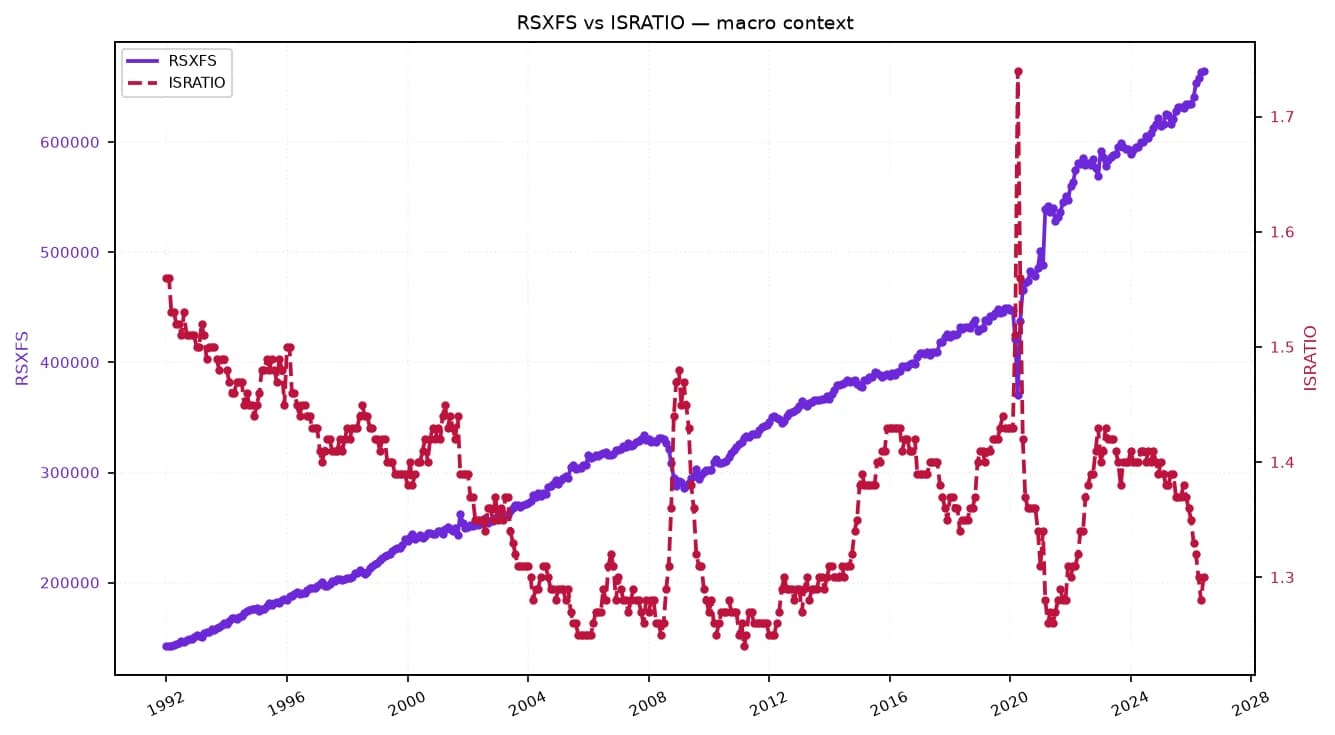
The U.S. unemployment rate has eased to 4.1% in the latest reading, but seasonal hiring plans remain more cautious than in prior cycles as companies confront slower hiring, tighter inventory management and more selective spending. At the same time, the ratio of inventories to sales has moved to 1.276 in the forecast for July, down from 1.30 in June, suggesting firms are trying to avoid overstocking after a year of uneven demand.
That matters because seasonality is a major driver of profits for retailers, logistics groups and consumer-facing businesses. Amazon has already flagged “significant inventory risks” tied to seasonality and demand swings, warning that overstocking can force markdowns and write-offs, while FedEx and UPS have both highlighted how shipment volumes, weather and network flexibility can distort earnings during peak periods.
Investor positioning reflects that tension. Consumer discretionary shares, tracked by the XLY ETF, have been choppy but recently held near 118, above both the 50-day and 200-day moving averages, while consumer staples, tracked by XLP, have outperformed as investors lean toward steadier demand. Transportation stocks, measured by IYT, are also firmer than they were in spring, but still trade in a range that suggests caution around freight volumes and peak-season execution.
The broader macro picture is one of steady but not strong growth: business activity is still expanding, yet households and employers remain sensitive to prices, job security and inventory costs. That leaves seasonal operations as a test of how much demand is actually there, and how much of it can turn into profits without aggressive discounting.
For investors, the key watchpoint is whether companies can meet seasonal demand without padding warehouses or adding too much labor cost. The next catalyst is the start of peak retail and shipping season, when order volumes, delivery performance and promotional intensity will show which companies are entering the period with pricing power and which are forced to chase demand.
| Entity | Gains | Losses |
|---|---|---|
| Retailers with lean inventories | ▲Less markdown risk | ▼Missed sales if demand surprises higher |
| Logistics firms with flexible networks | ▲Higher peak volumes | ▼Higher labor and fuel costs |
| Consumer staples stocks | ▲Defensive demand flows | ▼Limited upside in a recovery |
| Consumer discretionary names | ▲Holiday demand lift | ▼Margin pressure from promotions |