U.S. stock futures fall on jobs report and oil rise

U.S. stock futures were mixed Tuesday as investors quickly shifted from a holiday lull to a hotter interest-rate backdrop, with a stronger-than-expected August jobs report and rising oil prices pushing the market toward a September Federal Reserve hike.
That matters because the Fed is no longer being asked to choose between cooling inflation and supporting a weakening labor market. The August payrolls report showed employers added 162,000 jobs, well above forecasts, while unemployment held at 4.1%. In a market obsessed with whether policy is restrictive enough, that combination gives policymakers cover to tighten again — and traders have reacted fast. CME FedWatch now shows about a 60% chance of a 25-basis-point hike at the Sept. 15-16 meeting, up from roughly 49% before the jobs data.
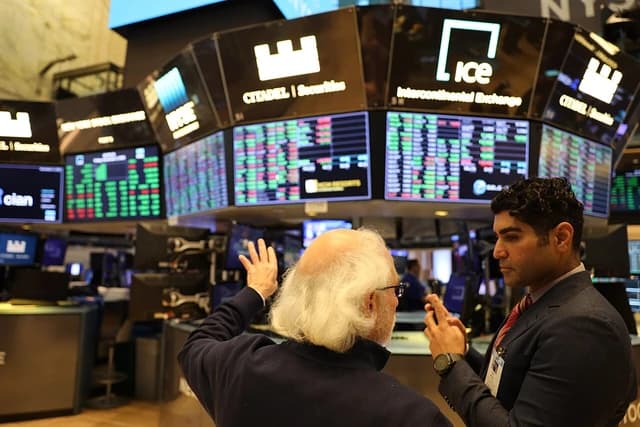
The move is already filtering through markets. Dow futures fell 0.6% and S&P 500 futures slipped 0.1%, while Nasdaq 100 futures gained 0.3% as growth stocks held up better than rate-sensitive cyclicals. That divergence tells you where investors think the next policy move bites hardest: banks and insurers may benefit from a steeper front end of the curve, but housing, utilities and long-duration tech remain exposed if borrowing costs rise again.
Bond and rate expectations are also shifting beyond September. UBS now expects the Fed to deliver two cuts in 2026 and sees hikes in September and December after previously calling for no change this year. That is a notable turn in the consensus and a reminder that the Fed’s path is being rewritten by economic resilience, not recession fear. For investors, the message is simple: the market may be underpricing how long rates stay high.

Oil is making the Fed’s job harder. Brent crude traded near $97 a barrel as U.S.-Iran tensions intensified, adding another layer of inflation risk just as officials prepare for Thursday’s producer price report and Friday’s consumer price index. If energy costs stay elevated, the Fed gets a stronger case for holding the line or tightening further, which would keep pressure on equities that depend on easy financial conditions.
The broader setup argues for positioning around policy winners, not waiting for the all-clear. Quality balance sheets, pricing power, short-duration cash flows and sectors tied to higher nominal growth look better placed than leveraged, rate-sensitive names. If inflation data surprises on the upside this week, the market’s September hike bet could harden quickly — and that would be the next catalyst for a rotation rather than a rally.
| Entity | Gains | Losses |
|---|---|---|
| Banks and insurers | ▲Higher net interest income | ▼Borrowers and credit demand |
| Energy producers | ▲Stronger crude prices | ▼Airlines and fuel users |
| Short-duration/value stocks | ▲Less rate sensitivity | ▼Long-duration growth stocks |
| Treasury bonds | ▲Potential safe-haven bids | ▼Bond prices if hike odds rise |