US Stocks Fall After Strong August Jobs Report

US stocks ended the week mostly lower on Friday after an unexpectedly strong August jobs report revived worries that the Federal Reserve could still lift interest rates, even after investors had briefly priced in a more benign policy path.
The Dow Jones Industrial Average fell 0.51% to 53,414.25, the S&P 500 slipped 0.38% to 7,718.60, while the Nasdaq 100 eked out a 0.21% gain. The labor report showed US employment rose by 162,000 in August and the unemployment rate held at 4.1%, reinforcing the view that the economy remains too resilient for the Fed to move quickly toward easing.

That matters because a firm labor market gives policymakers room to keep borrowing costs elevated for longer. For equities, the key issue is not the payroll number itself but the policy reaction function it implies: stronger hiring can delay rate cuts, keep Treasury yields firm and pressure valuation multiples, particularly in rate-sensitive parts of the market. The Dow’s weekly loss of 0.27% reflects how quickly sentiment shifted after Thursday’s rally, when remarks from Fed governor Christopher Waller had encouraged hopes of no near-term rate increase.
Bond markets and equity traders are now confronting a familiar tension. A solid economy supports corporate earnings, but it also makes it harder for the Fed to justify easier financial conditions. That split showed up in the day’s trading, with growth-oriented tech holding up better than the broader market even as investors became more defensive ahead of the long holiday weekend and remained wary of geopolitical risk tied to the Iran conflict.
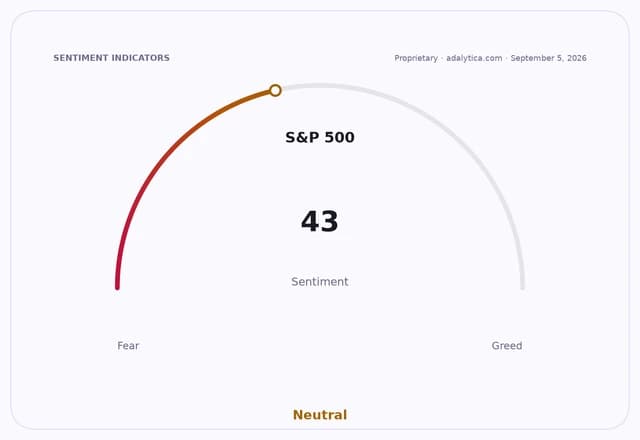
Individual stocks also underscored how fragile sentiment can be when macro worries are rising. Lululemon tumbled more than 17% after weak quarterly results and a cut to its outlook, with China a key disappointment. Adobe fell 6.7% after naming Anil Chakravarthy as its new chief, a move Jefferies said surprised investors. Tesla dropped nearly 6% as its robotaxi presentation failed to deliver enough new detail on pricing, production and regulation. Equifax and TransUnion each lost about 6% after fresh criticism from the US housing regulator.
For investors, the immediate implication is that the next move in equities may depend less on earnings season and more on whether upcoming data keep Fed rate-cut hopes alive. A sustained run of strong labor numbers would favor financials and cyclical names that benefit from growth, but it would likely keep pressure on bonds and high-valuation stocks. If the jobs data instead cool in coming months, the market could quickly rotate back toward duration-sensitive assets and rate-cut beneficiaries.
| Entity | Gains | Losses |
|---|---|---|
| US economy | ▲Strong labor demand | ▼Fed easing odds |
| Fed hawks | ▲Policy cover to stay tight | ▼Rate-cut expectations |
| Treasury bonds | ▲None | ▼Higher-yield pressure |
| Equity bulls | ▲Resilient growth backdrop | ▼Valuation support |
| Rate-sensitive stocks | ▲Selective earnings support | ▼Higher discount rates |