US Stocks Hold Up as Yields Rise on Growth

Bond yields are rising around the world, but equities are refusing to play the usual script because the move is being driven more by growth optimism than by recession fears.
The clearest example is the US. The 30-year Treasury yield remains above 5%, a level not seen since 2007, while the 10-year is hovering around 4.8%, near the upper end of what many investors considered normal before the financial crisis. Yet the S&P 500 is still up about 13% this year and sits only about 1% below its record high from mid-August. Europe’s Stoxx 600 has gained roughly 9.5% and Japan’s Nikkei 225 has surged more than 27%.

That resilience matters because it suggests the market is not treating higher yields as a pure valuation shock. If borrowing costs were rising because inflation was spiraling out of control or growth was collapsing, stocks would usually struggle. Instead, the bond selloff appears tied in part to stronger growth expectations, heavy investment in artificial intelligence and data centres, and evidence that corporate earnings are absorbing the higher discount rate.
New York Fed President John Williams said this week that much of the rise in longer-dated yields reflects “the strength of the US economy and the strong economic outlook” supported by AI and technology investment. Fed governor Kevin Warsh made a similar case at Jackson Hole, saying real consumer spending had risen more than 2% over the past four quarters and that he would be hard-pressed to call financial conditions restrictive. That is a critical distinction for markets: if yields are climbing because the economy is improving, companies may be able to offset higher funding costs with better top-line growth and stronger profits.
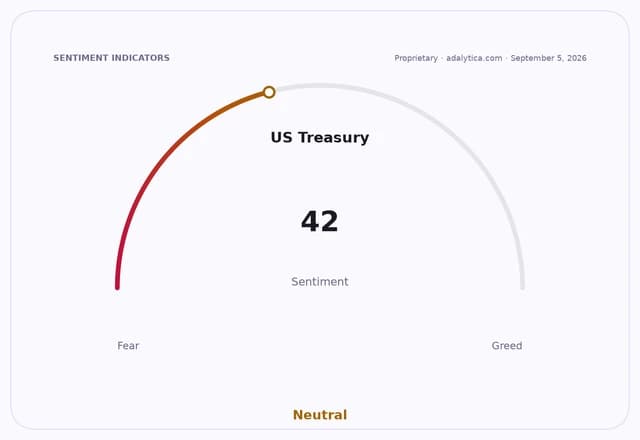
So far, earnings are doing exactly that. FactSet said 86% of S&P 500 companies that have reported second-quarter results beat profit estimates, while 77% topped revenue forecasts. Aggregate earnings growth is running at about 52%, the fastest since the second quarter of 2021, with revenue up 15.5% and net profit margins at 17%, the highest in FactSet’s records going back to 2009. In other words, the higher cost of capital is being met with unusually strong cash generation.
That helps explain why the traditional bond vigilante argument has not yet translated into a broad equity correction. Ed Yardeni, who coined the term, argues the 10-year yield is still within a 4%-5% “normal old” range and remains below nominal US GDP growth. For now, the market is tolerating higher yields because they do not yet look like the sort of tightening that breaks the cycle.
The risk is that this benign reading can turn quickly. Stocks are most vulnerable if yields keep rising while growth cools, earnings estimates fall and inflation expectations re-accelerate. That combination would squeeze valuations and profits at the same time, leaving equities with little protection.
The next test comes with the Federal Reserve meeting on Sept. 16, when investors will be looking for confirmation that policymakers still view the economy as strong enough to withstand higher rates. Until then, the message from markets is less that yields do not matter than that investors care far more about why they are rising.
| Entity | Gains | Losses |
|---|---|---|
| Large-cap equities | ▲Strong earnings support valuations | ▼Higher discount rates |
| Bond investors | ▲Higher yields improve income | ▼Price declines on existing bonds |
| US economy / AI spenders | ▲Strong growth narrative | ▼Higher financing costs |
| Highly leveraged borrowers | ▲— | ▼More expensive refinancing |