U.S. Tech Favored Over China AI Beta
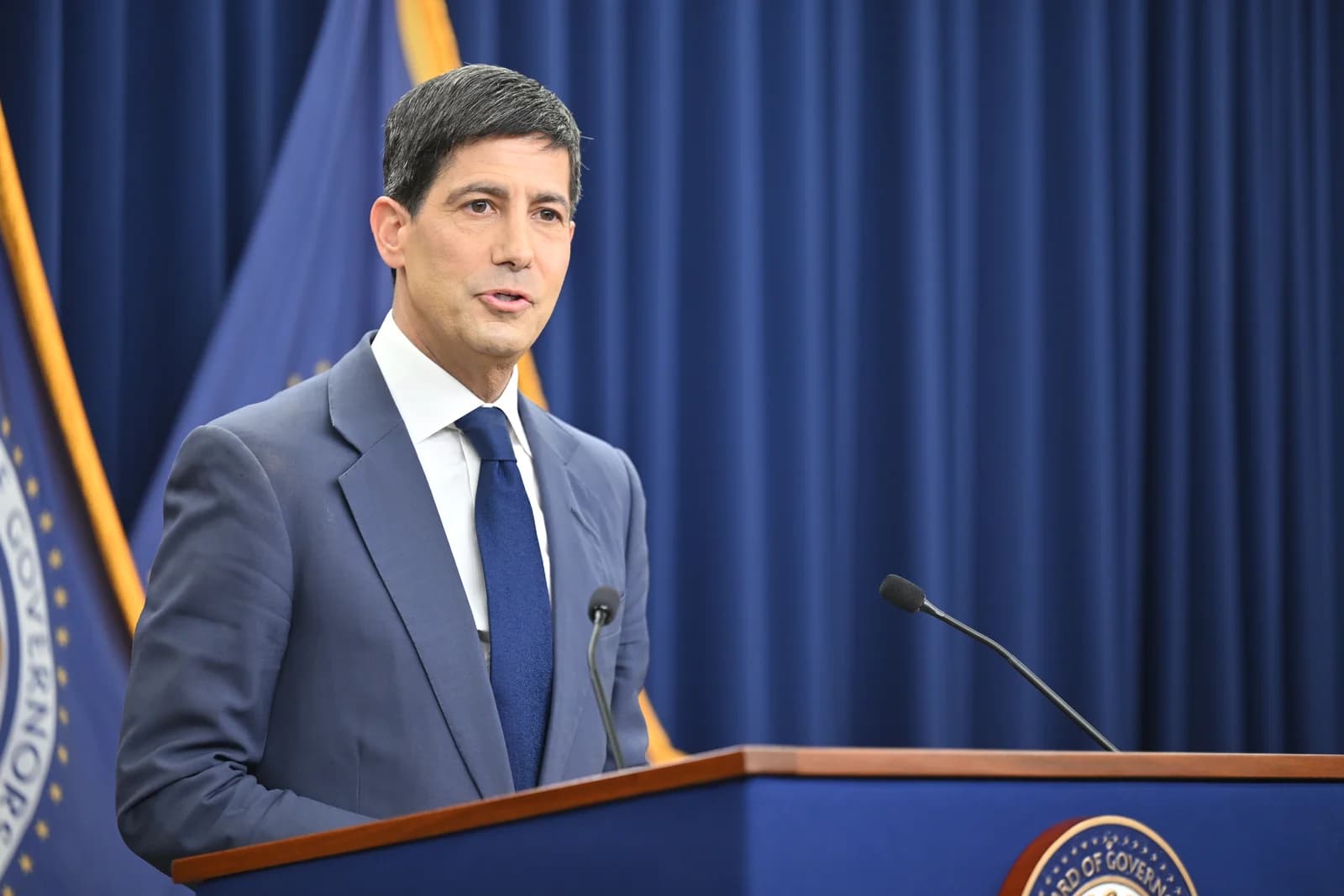
Fed Chair Kevin Warsh’s testimony before Congress is the week’s main macro event, with investors looking for confirmation that U.S. policy rates will stay restrictive even as China’s AI crackdown complicates the global technology trade.
The economic issue is whether the Federal Reserve is comfortable with a market that has pushed Treasury yields well above the effective fed funds rate. Fed funds held at 3.63% in June and are forecast near 3.627% for July, but the two-year Treasury yield was around 4.16% on July 9 and the 10-year near 4.54%, with forecasts pointing slightly higher. That gap matters: it signals investors are demanding compensation for inflation, fiscal risk or a slower easing cycle than policy rates alone imply.
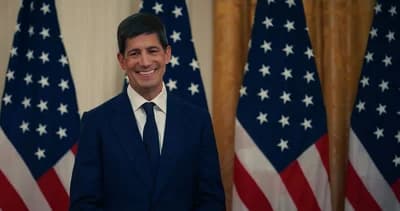
For portfolio managers, Warsh’s appearance is less about congressional theater than cross-asset regime confirmation. A hawkish tone would reinforce higher real yields, support the front end of the Treasury curve and keep pressure on long-duration equities. A softer message would challenge the recent yield premium, weaken the dollar and give rate-sensitive growth stocks more room to extend.
The dollar enters the week with fragile positioning. Proprietary indicators from Adalytica.com show U.S. dollar trade sentiment at 29, labeled “Fear,” with awareness at “Extreme Fear” after sharp declines over one, seven and 30 days. That leaves the currency vulnerable to a dovish surprise from Warsh, but also exposed to a squeeze higher if he pushes back against rate-cut expectations.
Equity allocation is already showing a sharp split. The Nasdaq 100 ETF QQQ closed at $725.51 on July 10, above its 50-day and 200-day moving averages, conventional technical indicators that still point to U.S. large-cap technology leadership. By contrast, Alibaba’s U.S.-listed shares closed at $112.33, below both its 50-day and 200-day moving averages, while the KraneShares CSI China Internet ETF KWEB closed at $26.38, also below those benchmarks.
That divergence is being reinforced by policy. ByteDance and Alibaba are set to take personalized AI agent features offline as Beijing intensifies regulation of AI companions and considers limits on overseas access to advanced Chinese models. The move underscores China’s decision to treat AI as a strategic national asset rather than a purely consumer-facing growth market.
Shanghai’s 2026 World Artificial Intelligence Conference will showcase China’s AI ambitions, including domestic model development, consumer devices and efforts to reduce reliance on foreign technology. But the same week also highlights the valuation problem for Chinese internet stocks: state-backed AI investment may be positive for national industrial strategy, while tighter controls can cap monetization and raise the discount rate investors apply to platform companies.
Adalytica.com’s proprietary indicators capture that tension. Alibaba earnings sentiment rebounded to 70 with awareness at 93, labeled “Extreme Greed,” suggesting investor attention has returned after a sharp sentiment recovery. Yet China economic growth target sentiment sits at 4, labeled “Extreme Fear,” pointing to broader skepticism about the macro backdrop behind Chinese assets.
For commodities, the read-through runs through rates, the dollar and China demand. Higher U.S. yields and a firmer dollar would usually weigh on dollar-priced commodities, while weak China growth sentiment limits enthusiasm for industrial demand. AI infrastructure remains a structural power and metals story, but the near-term macro impulse is still being set by U.S. rates and Chinese policy risk.
The week ahead therefore turns on two allocation questions: whether Warsh validates the bond market’s restrictive-rate pricing, and whether China’s AI push can offset another reminder that policy control comes before platform monetization. Until those questions are answered, investors are likely to favor U.S. technology quality over China internet beta, keep duration exposure selective and treat dollar weakness as tactical rather than settled.
| Entity | Gains | Losses |
|---|---|---|
| U.S. rate hawks | ▲Higher-yield validation | ▼Dovish repricing |
| U.S. mega-cap tech | ▲Relative AI leadership | ▼Higher real yields |
| Chinese AI policy state | ▲Strategic control | ▼Platform monetization |
| Alibaba and ByteDance | ▲National AI backing | ▼Product restrictions |