U.S. Treasuries Face Less Support From China, Japan
Higher rates, a retreating China and a more cautious Japan are combining to make government debt a bigger market risk again, and that is a meaningful shift for investors who grew used to central banks underwriting bonds for years.
Antonio Cesarano, chief investment adviser at Sella sgr, argues that the world has entered a new phase in which the Federal Reserve, the European Central Bank and the Bank of Japan are all tightening policy, with more moves possible in December. That matters because the old era of easy money helped cap borrowing costs, support sovereign bond prices and keep pressure off heavily indebted governments. As that support fades, investors have to reckon with a world where inflation is less forgiving and debt sustainability matters more.
The U.S. is the clearest example. Cesarano says nominal GDP growth is accelerating, helped by artificial intelligence investment, while energy shocks are pushing inflation back to the forefront. That gives central banks cover to keep rates higher for longer, but it also means the cost of financing public debt stays elevated. For long-duration bondholders, that is not a minor detail. It raises the hurdle for duration exposure and keeps the bond market more vulnerable to swings in growth, inflation and policy guidance.
The Bank of Japan adds another layer. Tokyo lifted rates to their highest level in more than three decades, a sign it can no longer rely on ultra-loose policy while inflation reappears and the yen remains weak. Japan is one of the biggest holders of U.S. Treasuries, with more than $1 trillion on its books, so any further normalization could affect demand for U.S. government debt. In bond markets, that kind of marginal change in a large buyer’s behavior can matter a lot.
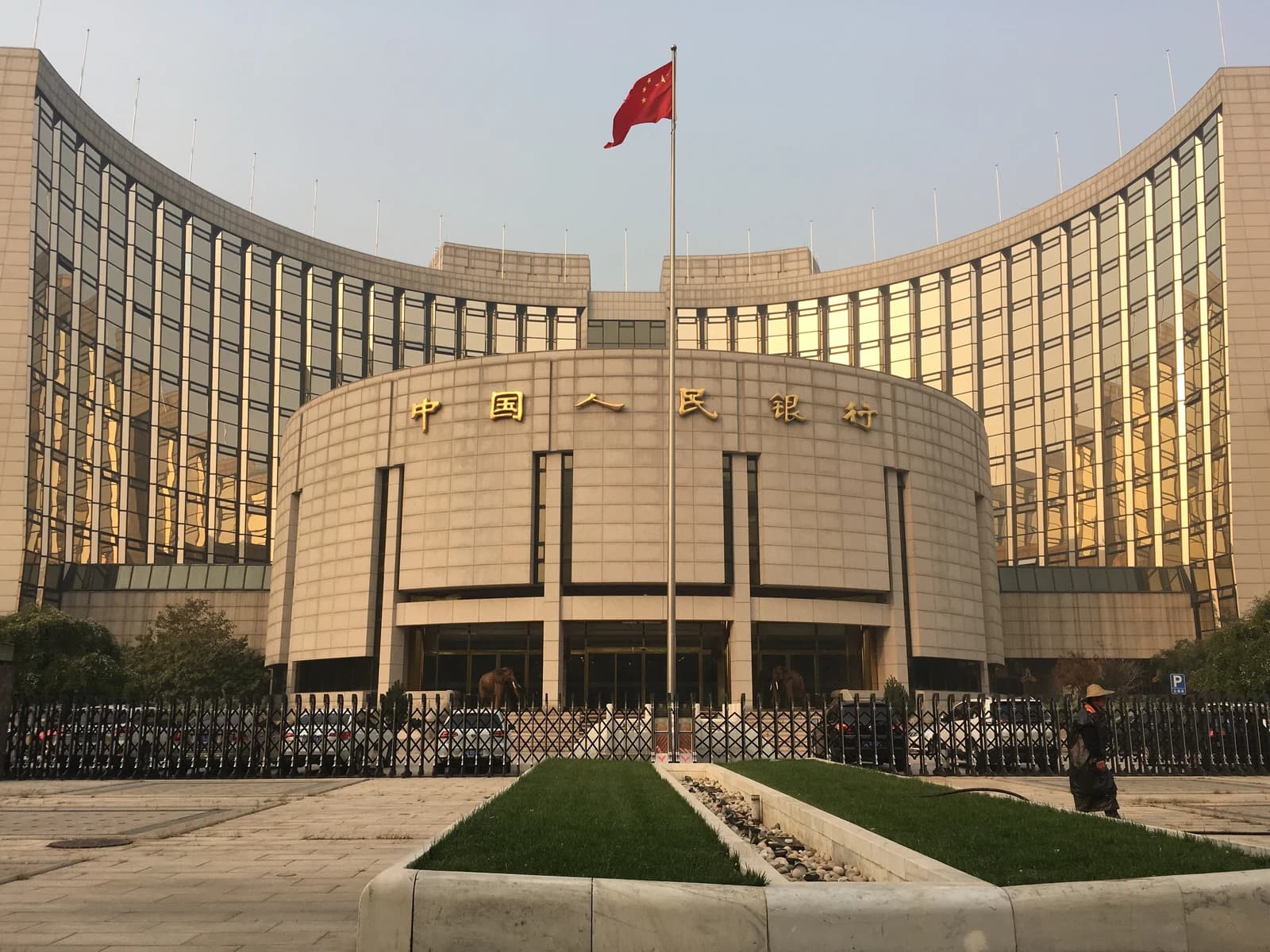
China is the bigger strategic story. Cesarano says Beijing has cut its Treasury holdings from nearly $1.3 trillion to just over $600 billion over several years, while boosting gold reserves. That is not just portfolio management; it is a gradual loosening of financial dependence on the U.S. Treasury market. Even if China is mostly letting bonds run off rather than dumping them, the effect is the same: less structural support for U.S. debt. Hedge funds and other traders, meanwhile, have been stepping in through Cayman-domiciled holdings, which can support demand but also make it more volatile.
For investors, the implication is straightforward: sovereign bonds are no longer the one-way trade they were in the zero-rate era. The safest-looking assets can still be attractive, especially if yields remain elevated, but the price path is likely to be bumpier. That is why this environment favors patience, diversification and a clear understanding of duration risk. Central banks may still pause or pivot if growth weakens, but for now the message is that inflation is back in charge and debt markets have to live with it.
| Entity | Gains | Losses |
|---|---|---|
| Central banks | ▲Inflation credibility | ▼Easy financial conditions |
| Bond buyers with cash | ▲Higher yields | ▼Price stability |
| U.S. Treasury market | ▲Tactical hedge fund demand | ▼Chinese official support |
| Heavily indebted governments | ▲Time to refinance selectively | ▼Lower borrowing costs |