U.S. Treasury Sanctions 27 Iran Airlines
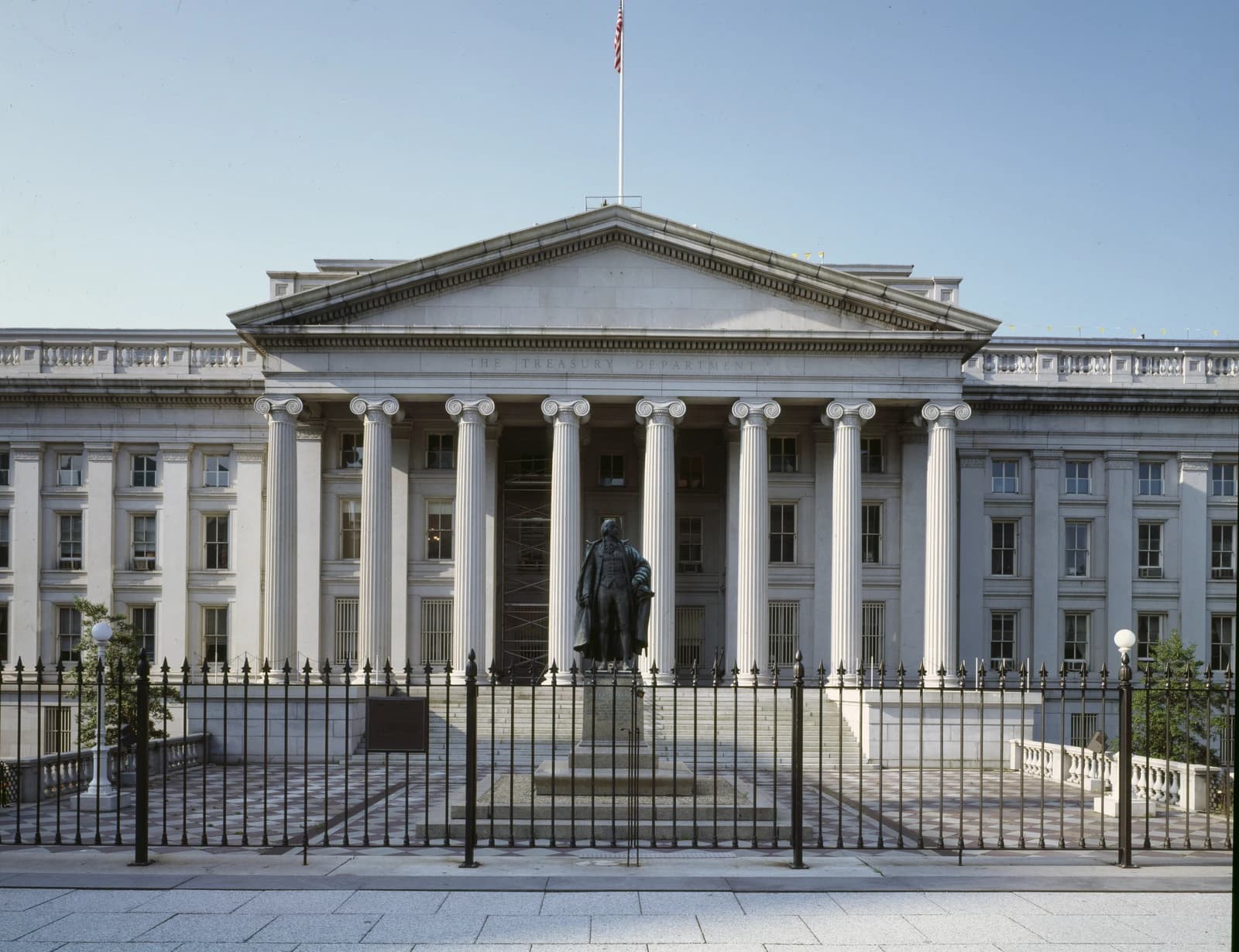
The U.S. Treasury’s latest sanctions campaign against Iran matters far beyond aviation: by moving against 27 airlines and a web of foreign service providers, Washington is trying to choke off the logistics and financing channels that keep Tehran connected to the outside world, raising the pressure on an already strained economy and keeping a geopolitical premium under oil.
For investors, the message is simple. Sanctions aimed at airlines, cargo handlers and banks are not just about one carrier or one country. They can tighten the screws on Iran’s ability to move goods, fund operations and maintain an aging fleet, while also threatening knock-on effects for regional trade, compliance costs and crude prices. That is why this story reaches well beyond Tehran and into the portfolios of energy investors, multinational shippers and anyone exposed to Middle East risk.
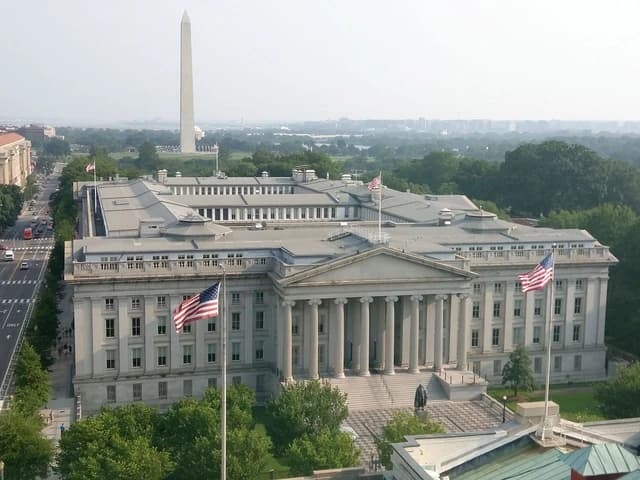
Treasury said on Tuesday it sanctioned 27 Iranian airlines, with the clearest target being Mahan Air, a carrier long accused by Washington of supporting the Islamic Revolutionary Guards Corps. The department also hit nine entities outside Iran — including firms and individuals in the UAE, Turkey, Kazakhstan, Malaysia and the U.K. — that it said helped move aircraft parts, cargo and services through front companies and transshipment routes.
This is the part investors should not overlook: the campaign is designed to deny Iran access to the international plumbing that keeps a modern fleet in the air. When a country relies on foreign intermediaries to source aircraft, parts and maintenance, sanctions on the middlemen can be more effective than sanctions on the flag carrier itself. In practical terms, that means higher operating friction, more grounded planes and more pressure on trade flows that already run through a narrow set of regional hubs.
It also raises the stakes for neighboring economies and businesses. Companies in the UAE, Turkey and other regional transit points now face a harder compliance test if they do business with Iran’s airlines or related entities. Treasury made that point explicitly, warning that anyone still doing business with Iran’s remaining airlines could be cut off from the global financial system. That is a serious threat in an era when access to dollar clearing and correspondent banking can matter more than the underlying trade itself.
The broader market angle is the oil market. Oil has already been volatile, and sanctions on Iran tend to reinforce the idea that geopolitical supply risks are not going away. U.S. crude and Brent-linked exposure has been well bid in recent sessions, with the U.S. Oil Fund and a Brent tracker both trading near elevated levels and showing the kind of momentum that tends to appear when traders begin pricing more geopolitical disruption. For long-term investors, that does not automatically make oil a buy at any price, but it does argue for respecting the sector’s cash-generation power when supply is constrained.
There is also a lesson here for diversified portfolios. Sanctions are often viewed as a foreign-policy tool, but they work through the same channels that investors care about: financing conditions, shipping routes, cross-border payments, airline capacity and commodity prices. When Washington expands pressure beyond Iran’s borders, it is not just trying to isolate a regime. It is also testing whether third-country firms will keep transacting with Tehran, or step back to preserve access to the U.S.-led financial system.
Iran, for its part, is signaling defiance. Officials called the measures “economic terrorism” and said years of sanctions have failed to change behavior. But the economic damage is already visible in the collapse of the rial, rising inflation and job losses. Even if sanctions do not force a deal quickly, they can still weaken the operating environment for businesses and deepen uncertainty for the region.
For investors, the right takeaway is not to trade every headline. It is to recognize that Iran sanctions can echo through energy, shipping, aviation and banking for months or years. If you own those sectors, or simply want a portfolio built to withstand geopolitical shocks, this is worth keeping on your watchlist and treating as a reminder to stay diversified, patient and focused on companies with real pricing power and resilient balance sheets.
| Entity | Gains | Losses |
|---|---|---|
| U.S. Treasury | ▲Leverage over Iran | ▼Diplomatic friction |
| Oil producers | ▲Higher geopolitical premium | ▼Volatility risk |
| Iran’s airlines and partners | ▲— | ▼Fleet disruptions |
| Regional intermediaries | ▲Short-term trade fees | ▼Sanctions exposure |