U.S. Treasury Plans Trump $1 Coin
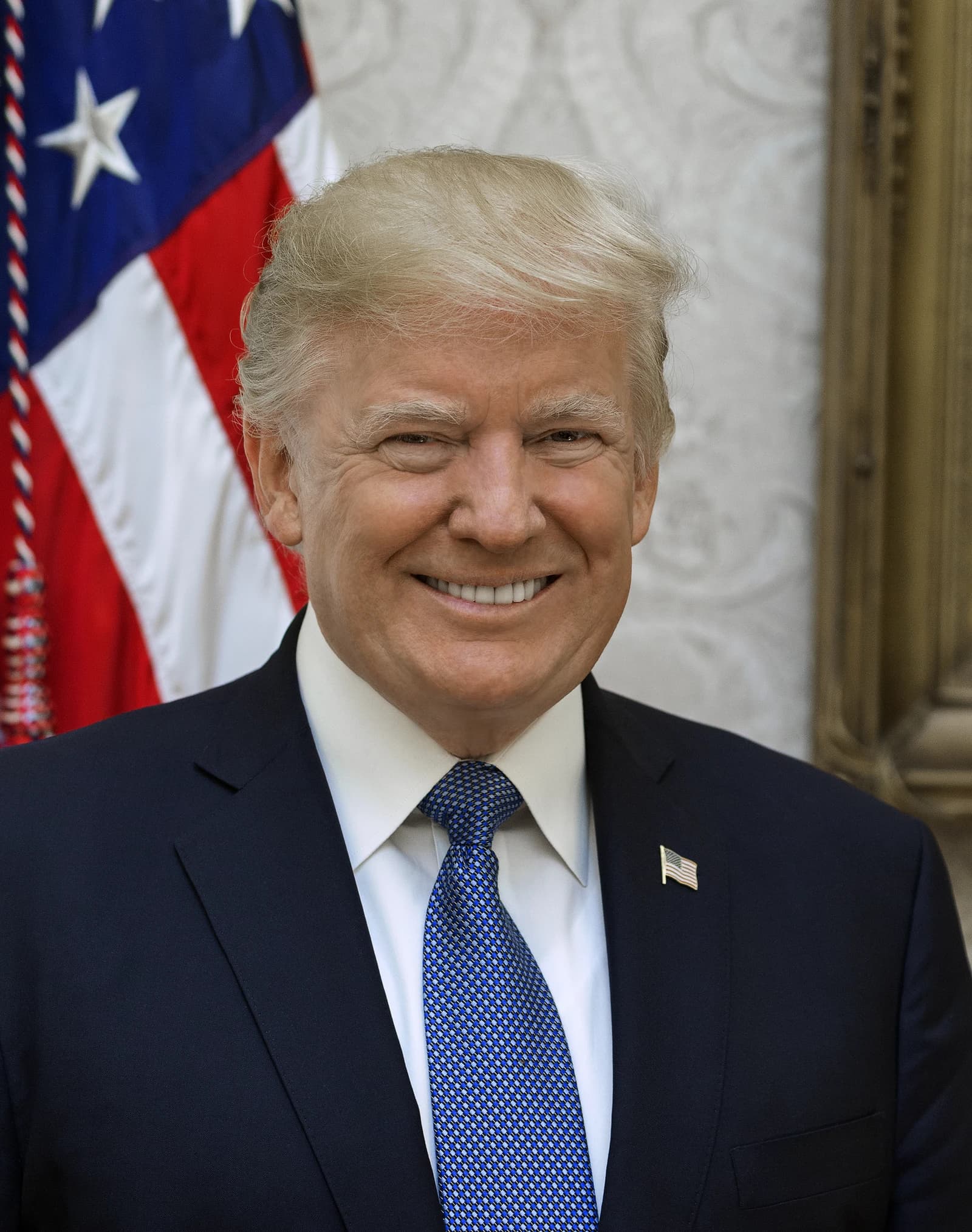
The U.S. Treasury’s release of a $1 coin bearing Donald Trump’s image is more than a commemorative novelty: it raises fresh questions about the legal boundaries of U.S. money, the politicization of national symbols and how far Trump is willing to push institutional precedent in his second term.
The coin, issued for the 250th anniversary of U.S. independence, is the first circulating U.S. coin to feature a sitting president, according to the material released with the design. That alone makes it economically and politically significant because U.S. currency is one of the most visible state assets in circulation, and the decision to place a living president on a coin immediately tests a federal law that bars living presidents from appearing on U.S. money. Treasury has not said whether it views the coin as a legal exception, while the U.S. Mint said the coin is “also issued into circulation.”
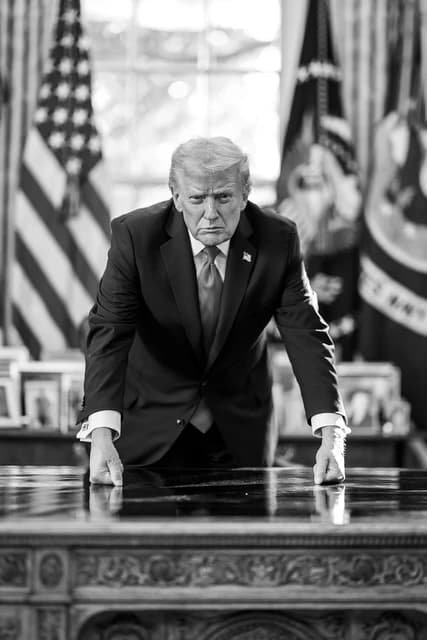
The design is also a highly unusual commercial object: a 25-coin roll is being sold for $61, a 144% markup to face value, while a 100-coin bag costs $154.50. That pricing underscores the collector demand Treasury is trying to tap for the semiquincentennial, but it also suggests the issue is meant to function as both currency and merchandise — a dual role that heightens the legal ambiguity.
For investors, the market impact is indirect but not trivial. The coin itself is not a macroeconomic event, but it reinforces a broader Trump-era theme: institutional norms, from federal property to public branding, are being recast around the president’s personal identity. That matters because it can raise the policy risk premium across assets sensitive to governance, regulation and constitutional conflict. Investors already confronting tariff uncertainty, fiscal pressures and volatile policy signalling now have another reminder that political symbolism is becoming part of the governing framework.
The episode also fits a wider pattern of Trump moving to place his name and image across federal institutions. The latest coin follows plans disclosed earlier this year for a $250 bill carrying Trump’s likeness, a move that would require Congress to change existing law, and comes after Treasury said Trump’s signature would soon appear on U.S. banknotes. Together, those steps point to an unusually aggressive effort to reshape the visual language of the state around a living president, a departure that could invite legal challenges and political blowback.
In market terms, that means the coin matters less for its face value than for what it reveals about the second Trump administration’s approach to power: unconventional, institutionally disruptive and willing to challenge legal guardrails. The immediate winners are collectors and Treasury if demand is strong; the losers are legal traditionalists, opposition critics and anyone betting that long-standing rules around U.S. currency will remain intact.
| Entity | Gains | Losses |
|---|---|---|
| U.S. Treasury / Mint | ▲Collector revenue | ▼Legal scrutiny |
| Trump supporters / collectors | ▲Novel memorabilia | ▼Face-value purists |
| Trump | ▲Symbolic branding | ▼Constitutional critics |
| Congress / courts | ▲None | ▼Pressure to resolve dispute |