U.S. Treasury explores $5,000 Trump dividend plan

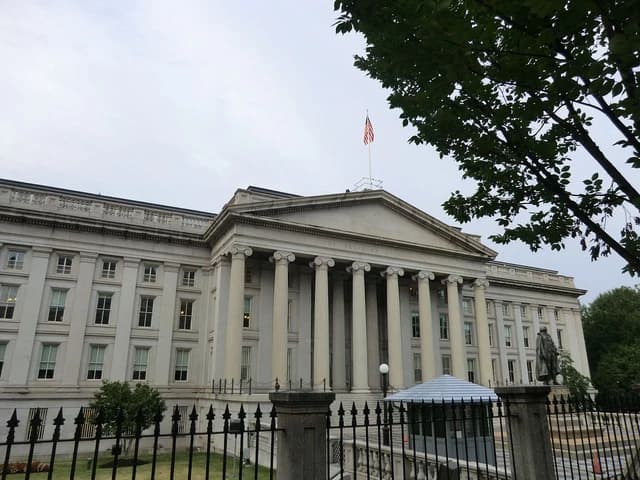
The U.S. Treasury Department is already exploring how to pay Americans $5,000 each under Donald Trump’s proposed “dividend,” a plan that could cost about $1.3 trillion and add a fresh fiscal wild card just as long-term borrowing costs hover near 5%.
Treasury Secretary Scott Bessent told lawmakers the department has been working on the idea for some time, but did not disclose how it would be financed. He said the administration is looking for a way to deliver the payments without widening the budget deficit, a claim that immediately puts the proposal under scrutiny from bond investors and deficit hawks.
The scale matters because a one-time transfer of $5,000 to every adult in the U.S. would be one of the largest cash-out programs ever discussed in Washington. At roughly $1.3 trillion, the cost would rival annual federal outlays for major agencies and would likely require either new revenue, spending cuts or some kind of accounting mechanism to keep the deficit from rising.
Markets would also have to price the demand boost against the inflation risk. With CPI still rising and the 10-year Treasury yield around 5%, investors are sensitive to any policy that could juice consumer spending while keeping pressure on the bond market and the dollar.
Shares in the broad market have already been volatile, and the S&P 500 has lost ground over the past month as Adalytica’s trade-signal snapshot shows “Extreme Fear” on sentiment. The 50-day moving average on the SPDR S&P 500 ETF remains above the latest close, while the iShares 20+ Year Treasury Bond ETF is trading below its 50-day and 200-day moving averages, reflecting persistent caution in rates-sensitive assets.
Trump floated the so-called “Trump dividend” last week, tying it to a Republican win in the November midterm elections. Bessent said if congressional approval is needed, he would work with House Speaker Mike Johnson, underscoring that the proposal is still more political promise than executable policy.
For investors, the immediate question is whether the plan becomes a campaign slogan, a real fiscal package or a bargaining chip in a broader tax-and-spending fight. The next catalyst is any clarification from Treasury or Congress on financing, because that will determine whether the proposal is stimulus, deficit expansion or simply election-season messaging.
| Entity | Gains | Losses |
|---|---|---|
| U.S. households | ▲Potential cash payout | ▼Future inflation risk |
| Trump and Republicans | ▲Election messaging boost | ▼Fiscal credibility if unfunded |
| Treasury / bondholders | ▲None yet | ▼Higher borrowing pressure |
| Equities / consumers | ▲Short-term demand lift | ▼Rate-sensitive sectors if yields rise |