US Treasury yields hit 2007 highs

The long slide in sovereign bond prices is pushing borrowing costs back to levels last seen before the global financial crisis, threatening to keep money expensive for governments, companies and households well into 2027.
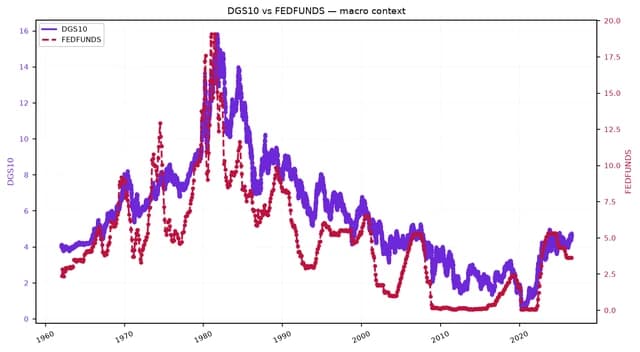
The 10-year US Treasury yield touched 5.041%, the highest since July 2007, before easing to 4.96%, while Germany’s 10-year yield climbed to 3.57%, its highest since 2009, and French 10-year debt traded at 4.51%, with the spread over German Bunds widening to 100 basis points, the most since 2012. The move matters because it raises the cost of capital across the economy just as central banks are still tightening and inflation remains sticky.
For investors, the message is that the era of ultra-cheap money is not coming back soon. Higher benchmark yields feed directly into mortgage rates, corporate financing and sovereign debt service, squeezing consumers and governments at the same time growth is still proving resilient.
Europe is especially exposed. Gas stocks are at their lowest for the season in 15 years, winter energy bills are set to rise and households already face higher mortgage costs without matching wage growth. That raises the odds of weaker consumption, which would hit domestic demand and deepen pressure on cyclical sectors.
The fiscal backdrop is making the selloff worse. The OECD says governments will pay more than $2 trillion this year just to cover annual interest bills, while deficits in the US and elsewhere continue to expand, leaving bond investors to absorb more supply with little sign of restraint from policymakers.
Corporate bond issuance is adding another layer of pressure. Heavy borrowing from artificial intelligence companies is competing with sovereign debt for a limited pool of institutional capital, pushing up yields and crowding out governments at a time when Treasury issuance is already heavy.
Technical indicators on Treasury-linked funds underline the strain. TLT, the iShares 20+ Year Treasury Bond ETF, has fallen to $80.60, below its 50-day moving average and just above its lower Bollinger Band, while Adalytica’s US Treasury Bonds Trade Signals show “Extreme Greed” in sentiment but only “Extreme Fear” in awareness, suggesting a crowded trade even after the recent bounce.
The bond market’s next test is whether the economy slows enough to force yields lower. For now, US growth remains resilient and the euro zone has held up better than expected, keeping the path of least resistance toward higher yields and more expensive borrowing.
| Entity | Gains | Losses |
|---|---|---|
| Banks and lenders | ▲Higher lending margins | ▼Loan demand pressure |
| Borrowers and governments | ▲— | ▼Higher debt service costs |
| Treasury bond sellers | ▲Lower prices, higher yields | ▼Mark-to-market losses |
| Cash savers | ▲Better deposit yields | ▼Weaker spending power |