U.S. Treasury yields stay high, bond ETFs slip
The U.S. is moving out of the long era of ultra-cheap borrowing, with Treasury yields and funding costs remaining high enough to keep pressure on the federal debt load and on public institutions that must refinance old obligations.
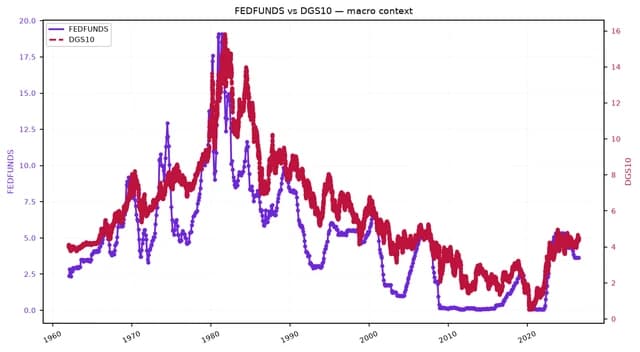
That matters because the government is now financing a debt stock that has climbed above $40 trillion, and every percentage point in rates has a far bigger effect on interest expense than it did when policy rates were near zero. The Fed funds rate is at 3.63%, while the 10-year Treasury yield sits around 4.67% and the 2-year near 4.20%, a structure that leaves borrowing costs well above the levels that prevailed through most of the post-financial-crisis period.
For investors, the message is that duration still matters. Higher yields keep a ceiling on bond prices, and the shift makes refinancing risk more expensive for municipalities, agencies and other public institutions carrying debt issued more than 20 years ago. It also raises the bar for Treasury demand at a time when deficits are large and issuance needs remain heavy.
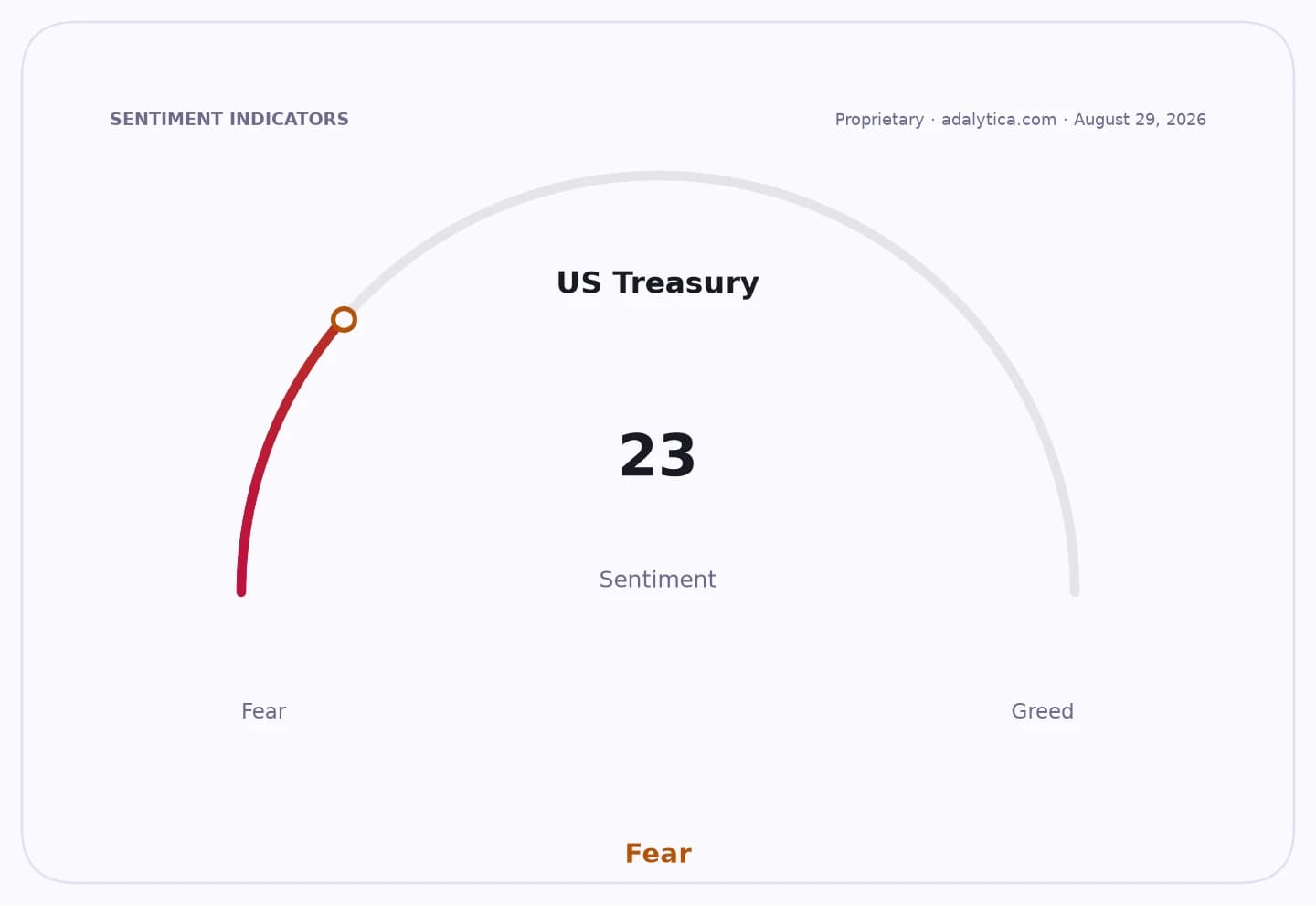
Bond funds have reflected that tension. The iShares 20+ Year Treasury Bond ETF has been trading around $83.13, below its 200-day moving average of $85.04, while the iShares 7-10 Year Treasury Bond ETF sits near $93.23, just under its 200-day average of $93.84. Adalytica’s U.S. Treasury Bonds Trade Signals show sentiment on TLT at 23, or “Fear,” even as awareness remains elevated, underscoring how quickly traders have turned cautious when yields move higher.
The backdrop is a broader reset in fixed income after years in which the market was anchored by near-zero policy rates. A 3% funds-rate environment would once have looked restrictive; now it looks closer to the floor than the ceiling for government borrowers facing entrenched fiscal strains.
The next focus for markets is whether the Fed can cut enough to ease financing pressure without reigniting inflation, and whether long-term yields finally break lower or stay locked near current levels as Treasury supply keeps climbing.
| Entity | Gains | Losses |
|---|---|---|
| Treasury bond buyers | ▲Higher yield income | ▼Mark-to-market price risk |
| U.S. Treasury | ▲Stable funding access | ▼Higher interest expense |
| Public institutions with old debt | ▲Opportunity to refinance selectively | ▼Costlier rollover and cancellation burden |
| Bond bulls | ▲Relief if yields fall | ▼Carry losses if rates stay high |